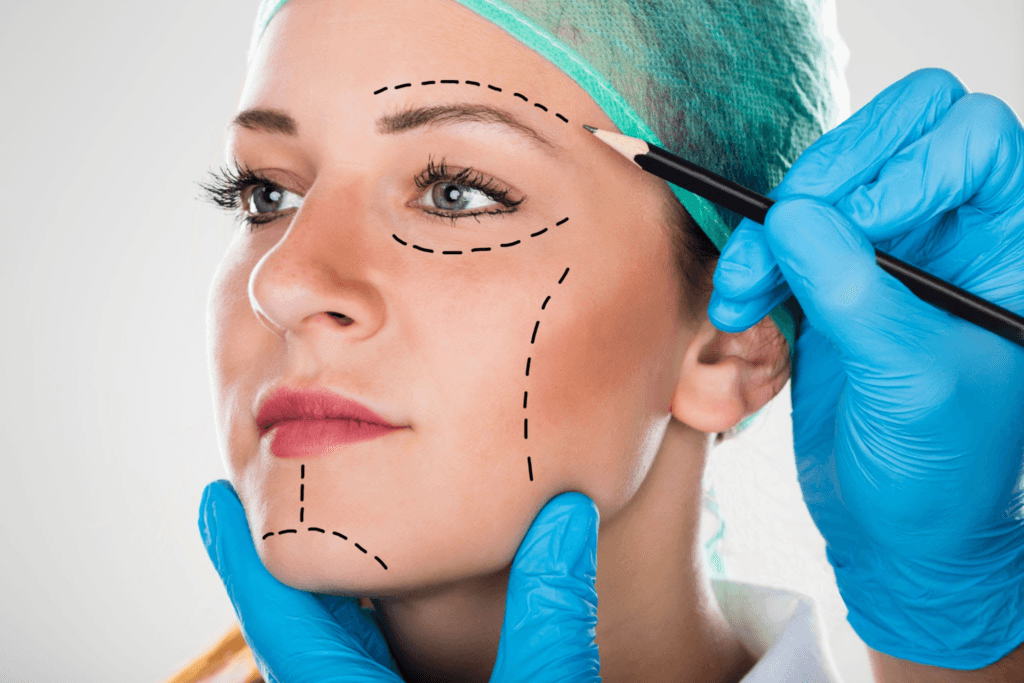
¿Planeas someterte a un lifting en el extranjero? Mientras la idea de combinar ahorros de costos con una apariencia rejuvenecida es emocionante, garantizar tu seguridad y éxito comienza mucho antes de la cirugía misma. Pruebas preoperatorias y consultas son pasos críticos para minimizar riesgos, optimizar resultados y asegurar que seas un candidato adecuado para el procedimiento. Este guía completa describe{?} las pruebas preoperatorias esenciales, consultas y preparativos requeridos antes de someterse a un lifting en el extranjero. Desde evaluaciones médicas hasta consideraciones legales, cubriremos todo lo que necesitas saber para prepararte con confianza y seguridad para tu viaje de lifting facial.
Tabla de contenido
Por qué las pruebas y consultas preoperatorias son cruciales
Someterse a un lifting, especialmente en un país extranjero, conlleva riesgos y desafíos únicos. Las pruebas y consultas preoperatorias ayudan:
1. Evaluar su salud y elegibilidad
- Identificar condiciones médicas subyacentes (p. ej., hipertensión, diabetes) que podrían aumentar los riesgos quirúrgicos.
- Asegúrate de estar físicamente apto para la anestesia y la cirugía.
2. Minimizar complicaciones
- Detectar trastornos de coagulación, alergias o infecciones que podrían comprometer la curación.
- Ajustar medicamentos o suplementos que pueden aumentar el riesgo de sangrado (p. ej., aspirina, aceite de pescado).
3. Personaliza tu plan quirúrgico
- Ayuda a tu cirujano personaliza el procedimiento a tu anatomía facial única y preocupaciones de envejecimiento.
- Discutir expectativas realistas y resultados potenciales según su salud y condición de la piel.
4. Garantizar el cumplimiento legal y ético
- Verifique que el clínica y cirujano cumplan con los estándares internacionales de seguridad (p. ej., ISAPS, JCI).
- Confirmar consentimiento informado y cobertura de seguro de mala praxis para pacientes internacionales.
5. Planifique una recuperación sin problemas
- Reciba instrucciones postoperatorias detalladas adaptado a su historial médico y tipo de procedimiento.
- Organice cuidados de seguimiento y protocolos de emergencia antes de viajar.
Conclusión clave: Omitir pruebas y consultas preoperatorias puede conducir a complicaciones graves, resultados deficientes o incluso problemas legales. Siempre priorice una preparación exhaustiva para un lifting seguro y exitoso en el extranjero.

Pruebas preoperatorias esenciales para un lifting facial en el extranjero
1. Análisis de sangre
Por qué son importantes
Los análisis de sangre evalúan su salud general, capacidad de coagulación y riesgos de infección, que son críticos para una cirugía y anestesia seguras.
Análisis de sangre requeridos
| Prueba | Propósito | Rango normal |
|——————————|———————————————————————————————–|————————————–|
| Recuento sanguíneo completo (CBC) | Busca anemia, infección o trastornos sanguíneos que podría afectar la curación. | Hemoglobina: 12-16 g/dL (mujeres), 14-18 g/dL (hombres) |
| Panel de coagulación (PT/INR, PTT) | Evalúa la capacidad de coagulación de la sangre para prevenir sangrado excesivo durante la cirugía. | INR: 0.8-1.2 |
| Panel metabólico básico (BMP) | Evalúa la función renal, electrolitos y glucosa en sangre para la seguridad de la anestesia. | Glucosa: 70-99 mg/dL |
| Pruebas de función hepática (LFT) | Garantiza que su hígado pueda metabolizar la anestesia y los medicamentos post‑cirugía. | ALT: 7-56 U/L, AST: 10-40 U/L |
| Cribado de VIH/HEP/HBV | Detecta enfermedades infecciosas que podrían complicar la cirugía o la recuperación. | Resultados negativos |
Consejo profesional: Algunas clínicas en el extranjero requieren pruebas adicionales (p.ej., pruebas de función tiroidea) basado en su historial médico. Siempre confirme requisitos exactos con su cirujano.
2. Evaluación Cardíaca
Por qué es importante
Anestesia y cirugía estresan el corazón, lo que hace que las evaluaciones cardíacas sean esenciales para pacientes mayores de 40 años o con antecedentes de enfermedad cardíaca.
Pruebas cardíacas requeridas
| Prueba | Propósito | Rango normal |
|——————————|———————————————————————————————–|————————————–|
| Electrocardiograma (EKG) | Detecta ritmos cardíacos irregulares o isquemia que podrían representar riesgos durante la anestesia. | Ritmo sinusal normal |
| Ecocardiograma | Evalúa la estructura y función del corazón para pacientes con problemas cardíacos conocidos. | Fracción de eyección: 50-70% |
| Prueba de esfuerzo (si es necesario) | Evalúa la respuesta del corazón al estrés para pacientes de alto riesgo. | No hay isquemia ni arritmias |
Consejo profesional: Si usted tiene un historial de enfermedad cardíaca, su cirujano puede requerir autorización de un cardiólogo antes de continuar.
3. Pruebas de Alergia
Por qué es importante
Reacciones alérgicas a anestesia, antibióticos o materiales quirúrgicos pueden ser potencialmente mortal. Las pruebas garantizan su seguridad durante y después de la cirugía.
Pruebas de alergia comunes
- Prueba de Punción Cutánea: Identifica alergias a látex, antibióticos (p. ej., penicilina) o componentes de anestesia.
- Prueba de Sangre (IgE): Detecta anticuerpos alérgicos específicos a medicamentos o materiales utilizados en la cirugía.
Consejo profesional: Informe a su cirujano de todas las alergias conocidas, incluyendo alimentos, medicamentos o desencadenantes ambientales.
4. Pruebas de Imagen
Por qué son importantes
La imagen ayuda a su cirujano a planificar el procedimiento y evitar complicaciones (p. ej., daño nervioso, asimetría).
Pruebas de Imagen Requeridas
| Prueba | Propósito |
|——————————|———————————————————————————————–|
| Imagen Facial 3D | Crea un modelo digital de su rostro para simular resultados y planificar incisiones. |
| Tomografía Computarizada (si es necesario) | Evalúa la estructura ósea y la simetría facial para procedimientos complejos. |
| Ultrasonido (para opciones no quirúrgicas) | Evalúa grosor y elasticidad de la piel para hilos tensores o rellenos. |
Consejo profesional: Imágenes 3D es especialmente útil para visualizar los resultados esperados y asegurando resultados simétricos.

Consultas Preoperatorias Obligatorias
1. Consulta virtual o presencial inicial con su cirujano
Por qué es importante
Esta consulta determina si usted es un candidato adecuado para un lifting facial y ayuda a personalizar su plan quirúrgico.
Qué Discutir
- Sus objetivos: ¿Qué espera lograr? (p. ej., definición de la línea de la mandíbula, reducción de arrugas, lifting de cuello).
- Historia médica: Divulgue todas las cirugías previas, condiciones crónicas y medicamentos.
- Opciones de procedimiento: Lifting facial tradicional, elevación SMAS, mini lifting facial, o alternativas no quirúrgicas (p.ej., hilos tensores, rellenos).
- Opciones de anestesia: Anestesia general vs. anestesia local con sedación.
- Riesgos y complicaciones: Daño nervioso, cicatrices, infección, o riesgos de asimetría.
- Cronograma de recuperación: Esperado tiempo de inactividad, cuidados postoperatorios y plan de seguimiento.
- Costo y planes de pago: Costo total, qué está incluido, y Opciones de financiación.
Consejo profesional: Trae fotos de los resultados deseados para ayudar a tu cirujano a entender tu objetivos estéticos.
2. Consulta con anestesiólogo
Por qué es importante
La anestesia es uno de los aspectos de mayor riesgo de la cirugía de lifting facial. Esta consulta asegura que estés seguro para la anestesia y ayuda a prevenir complicaciones.
Qué Discutir
- Tipo de anestesia: Anestesia general vs. anestesia local con sedación.
- Alergias o reacciones previas: Cualquiera reacciones adversas a la anestesia o medicamentos.
- Condiciones médicas: Enfermedades cardíacas, problemas pulmonares o apnea del sueño que podrían afectar la seguridad de la anestesia.
- Instrucciones de ayuno: Cuánto tiempo evitar comida/agua antes de la cirugía.
- Cuidados post-anestesia: Qué esperar inmediatamente después de despertarse (p. ej., náuseas, mareos).
Consejo profesional: Pregunte sobre el experiencia del anestesiólogo y protocolos de emergencia en caso de complicaciones.
3. Autorización médica preoperatoria de su médico de cabecera
Por qué es importante
Su médico de cabecera puede identificar condiciones no diagnosticadas que pueden afectar la cirugía y asegurarse de que esté apto para el procedimiento.
Qué Discutir
- Evaluación General de Salud: ¿Estás apto para cirugía?
- Revisión de Medicamentos: Qué medicamentos detener o ajustar antes de la cirugía (p.ej., anticoagulantes, AINEs).
- Manejo de Condiciones Crónicas: Cómo controlar diabetes, hipertensión o problemas de tiroides perioperatoriamente.
- Plan de Cuidados Postoperatorios: Coordina con tu médico local para el cuidado de seguimiento después de regresar a casa.
Consejo profesional: Solicita una carta de autorización escrita de tu médico para compartir con tu cirujano en el extranjero.
4. Consulta Nutricional
Por qué es importante
Nutrición adecuada acelera la curación, reduce la inflamación y minimiza las cicatrices. Una consulta nutricional asegura que estés optimizando tu dieta para la recuperación.
Qué Discutir
- Dieta Preoperatoria: Alimentos para comer o evitar antes de la cirugía (p.ej., alimentos antiinflamatorios, hidratación).
- Dieta Postoperatoria: Nutrientes que promueven la curación (p.ej., proteína, vitamina C, zinc).
- Suplementos: Qué vitaminas o suplementos para tomar (p.ej., árnica para moretones, bromelina para la hinchazón).
- Hidratación: Cuánto agua para beber antes y después de la cirugía.
Consejo profesional: Iniciar un plan de nutrición preoperatoria al menos 2 semanas antes de la cirugía para refuerza tu sistema inmunológico.
Consideraciones Legales y Éticas Antes de un Lifting Facial en el Extranjero
1. Consentimiento Informado
Por qué es importante
El consentimiento informado asegura que comprendas completamente los riesgos, beneficios y alternativas del procedimiento.
Qué Verificar
- Formulario de Consentimiento Escritos: Debe ser traducido a su idioma y firmado antes de la cirugía.
- Riesgos y complicaciones: Describe claramente problemas potenciales (p.ej., daño nervioso, cicatrices, asimetría).
- Alternativas: Discute opciones no quirúrgicas (p.ej., hilos tensores, rellenos, tratamientos láser).
- Credenciales del cirujano: Confirma que el cirujano es certificado por la junta (ISAPS o equivalente local).
- Acreditación de la clínica: Asegura que la instalación es acreditada por JCI o cumple con los estándares locales de seguridad.
Consejo profesional: Nunca firme un formulario de consentimiento que no entienda completamente. Solicite un traducción o revisión legal si es necesario.
2. Seguro de Mala Praxis
Por qué es importante
Si surgen complicaciones, seguro de mala praxis garantiza que tengas recurso legal y protección financiera.
Qué Verificar
- Política de Seguro de la Clínica: Cubre pacientes internacionales para complicaciones o revisiones.
- Seguro de Responsabilidad del Cirujano: Protege contra errores quirúrgicos o negligencia.
- Leyes Locales: Entiende el protecciones legales para los turistas médicos en el país de destino.
Consejo profesional: Solicita una copia de la política de seguro de la clínica y confirmar que cubre tu procedimiento específico.
3. Seguro de viaje y médico
Por qué es importante
Seguro de viaje estándar no cubre cirugía estética. Especializado seguro de turismo médico es esencial para complicaciones, cancelaciones de viajes o emergencias.
Qué buscar
- Cobertura de complicaciones: Cubre infecciones postoperatorias, hematomas o revisiones.
- Cancelación de viaje: Reembolsa depósitos no reembolsables si debes cancelar.
- Evacuación de emergencia: Cubre transporte médico de regreso a tu país de origen si es necesario.
- Cuidado de seguimiento: Incluye consultas virtuales con tu cirujano después del regreso.
Consejo profesional: Compara pólizas de Allianz, AXA o SafetyWing para encontrar el mejor cobertura para sus necesidades.
Lista de Verificación Preoperatoria Paso a Paso
4-6 Semanas Antes de la Cirugía
- [ ] Investiga y elige un cirujano certificado por la junta (ISAPS o equivalente local).
- [ ] Verifica la acreditación de la clínica (JCI, ISO o ministerio de salud local).
- [ ] Programa una consulta virtual con su cirujano.
- [ ] Completa los análisis de sangre y evaluaciones cardíacas requeridos localmente o en el extranjero.
- [ ] Obtén la autorización médica de tu médico de cabecera.
- [ ] Compra seguro de turismo médico cobertura de complicaciones y emergencias.
- [ ] Inicia un plan de nutrición preoperatoria (dieta antiinflamatoria, hidratación, suplementos).".
2 semanas antes de la cirugía
- [ ] Deje de tomar medicamentos anticoagulantes (aspirina, ibuprofeno, aceite de pescado).
- [ ] Evite alcohol y tabaco para mejorar la curación.
- [ ] Confirme los planes de viaje y alojamiento (vuelos directos, hoteles adecuados para la recuperación).
- [ ] Empaque los suministros esenciales postoperatorios (prendas de compresión, cremas para cicatrices, medicamentos).
- [ ] Organice un cuidador para asistir durante las primeras 48 horas postoperatorias.
1 semana antes de la cirugía
- [ ] Consulta virtual final con su cirujano para revisar el plan quirúrgico.
- [ ] Confirme las instrucciones de ayuno (normalmente 8-12 horas antes de la cirugía).
- [ ] Prepare su espacio de recuperación (almohadas, compresas de hielo, entretenimiento).
- [ ] Organizar transporte postoperatorio desde la clínica a su hotel.
- [ ] Revisar la información de contacto de emergencia para su cirujano y el hospital local.
Día antes de la cirugía
- [ ] Hidrátese bien pero siga las pautas de ayuno (sin comida/agua después de la medianoche).
- [ ] Ducharse con jabón antibacteriano para reducir el riesgo de infección.
- [ ] Evitar maquillaje, lociones o joyería en el día de la cirugía.
- [ ] Obtener un buen descanso nocturno para apoyar la curación.
- [ ] Confirmar la hora de la cirugía y transporte a la clínica.
Errores comunes que evitar antes de un lifting facial en el extranjero
1. Omitir pruebas preoperatorias
- Riesgo: Condiciones no diagnosticadas (p. ej., trastornos de coagulación, problemas cardíacos) puede llevar a complicaciones graves.
- Solución: Completo todas las pruebas necesarias y comparte los resultados con tu cirujano.
2. Elegir un cirujano solo por el costo
- Riesgo: Los cirujanos de bajo costo pueden carecen de credenciales o experiencia, lo que puede llevar a resultados pobres o complicaciones.
- Solución: Priorizar certificación de la junta (ISAPS) y reseñas de pacientes sobre el precio.
3. No revelar el historial médico
- Riesgo: Condiciones ocultas (por ejemplo, diabetes, hipertensión) puede comprometer la seguridad y la curación.
- Solución: Sé totalmente transparente sobre su salud, medicamentos y alergias.
4. Ignorar el seguro de viaje
- Riesgo: Las complicaciones en el extranjero pueden llevar a facturas médicas altas o problemas legales sin cobertura.
- Solución: Compra seguro de turismo médico que cubre emergencias y revisiones.
5. Volando Demasiado Pronto Después De La Cirugía
- Riesgo: Hinchazón aumentada, coágulos de sangre o hematomas debido a la presión de la cabina.
- Solución: Esperar al menos 10-14 días antes de volar (o según lo aconsejado por su cirujano).
Experiencias reales de pacientes: lecciones aprendidas
Estudio de caso 1: Proceso preoperatorio fluido en Corea del Sur
- Paciente: mujer de 55 años de Canadá.
- Destino: Seúl, Corea del Sur.
- Experiencia: “Mi cirujano requirió” “análisis de sangre, ECG y imágenes 3D” antes de aprobar mi lifting facial SMAS. La consulta virtual me ayudó a entender el los riesgos y el plan de recuperación.”
- Lección: “No te saltes las pruebas preoperatorias—se aseguraron de que fuera un ... y evitar complicaciones.”
Estudio de caso 2: Complicaciones por consultas omitidas en México
- Paciente: Hombre de 48 años de EE. UU.
- Destino: ...
- Experiencia: “Yo no revelé mi hipertensión arterial para ahorrar tiempo. Después de la cirugía, tuve ... ... ....”
- Lección: “Sé siempre honesto sobre tu salud—it’s not worth the risk!”
Estudio de caso 3: Pruebas preoperatorias de última hora en Turquía
- Paciente: 50-year-old woman from the UK.
- Destino: Istanbul, Turkey.
- Experiencia: “My clinic required last-minute blood tests upon arrival. I was stressed but relieved they caught a clotting issue before surgery.”
- Lección: “Complete tests in advance para evitar sorpresas.”
Conclusión
Conclusiones clave
- Pre-operative tests (blood work, cardiac evaluations, imaging) are esencial para safe surgery and optimal results.
- Consultas with your cirujano, anestesiólogo y médico de cabecera se aseguren de que estés totalmente preparado para el procedimiento.
- Consideraciones legales y éticas (consentimiento informado, seguro de mala praxis, seguro de viaje) protegerte de riesgos y complicaciones.
- Evite errores comunes como omitir pruebas, ocultar historial médico o volar demasiado pronto tras la cirugía.
Próximos pasos
- Investigue y elija un cirujano certificado por ISAPS en su destino deseado.
- Programa una consulta virtual para discutir tu objetivos, historial médico y plan quirúrgico.
- Complete todas las pruebas preoperatorias requeridas (análisis de sangre, ECG, pruebas de alergia) y obtenga autorización médica.
- Compra seguro de turismo médico para cubrir complicaciones y emergencias.
- Sigue las instrucciones preoperatorias de tu cirujano (dieta, medicamentos, ayuno) para optimizar la cicatrización.
- Planifica tu logística de viaje y recuperación (vuelos, alojamiento, atención postoperatoria).
Siguiendo esto guía paso a paso, estarás totalmente preparado Para un lifting facial seguro y exitoso en el extranjero—logrando el apariencia juvenil y rejuvenecida que deseas minimizando riesgos y asegurando una recuperación sin complicaciones.
Nuestros cirujanos y profesionales afiliados
En Surgyteam, nos enorgullece colaborar con un equipo distinguido de profesionales médicos, cada uno aportando una gran experiencia y un compromiso con la atención centrada en el paciente.
- Dr. Mehmet Fatih Okyay (Dr. MFO): Especialista en Cirugía Plástica, Reconstructiva y Estética. Co-fundador de Surgyteam. Certificado por FEBOPRAS. (https://www.dr-mfo.com/)
- Dr. Selçuk Yılmaz: Especialista en Cirugía Plástica, Reconstructiva y Estética. (https://drselcukyilmaz.com)
- Dr. Ebru Okyay: Especialista en Dermatología. (https://drebruokyay.com/)
- Dr. Mustafa Keleş: Especialista en Cirugía Estética, Plástica y Reconstructiva. (https://www.medstar.com.tr/doktorlar/mustafa-keles/)
- Dr. Boray Yücel: Especialista en Cirugía Plástica, Reconstructiva y Estética. (https://borayucel.com/)
- Dr. Sibel Atalay: Especialista en Cirugía Plástica, Reconstructiva y Estética. Clínica con Certificado de Autorización de Turismo de Salud Internacional. (https://www.sibelatalay.com.tr/)
- Dr. Mert Meral: Especialista en Cirugía Plástica, Reconstructiva y Estética. Certificado EBOPRAS. (https://mertmeral.com/)
Para obtener más información sobre Surgyteam y cómo podemos ayudarle, visite nuestro sitio web:
https://surgyteam.com/
Descargo de responsabilidad: Esta publicación del blog está destinada solo a fines informativos y no constituye consejo médico. Los costos son estimaciones y pueden variar. Siempre consulte a un profesional médico calificado para obtener asesoramiento y tratamiento personalizados.