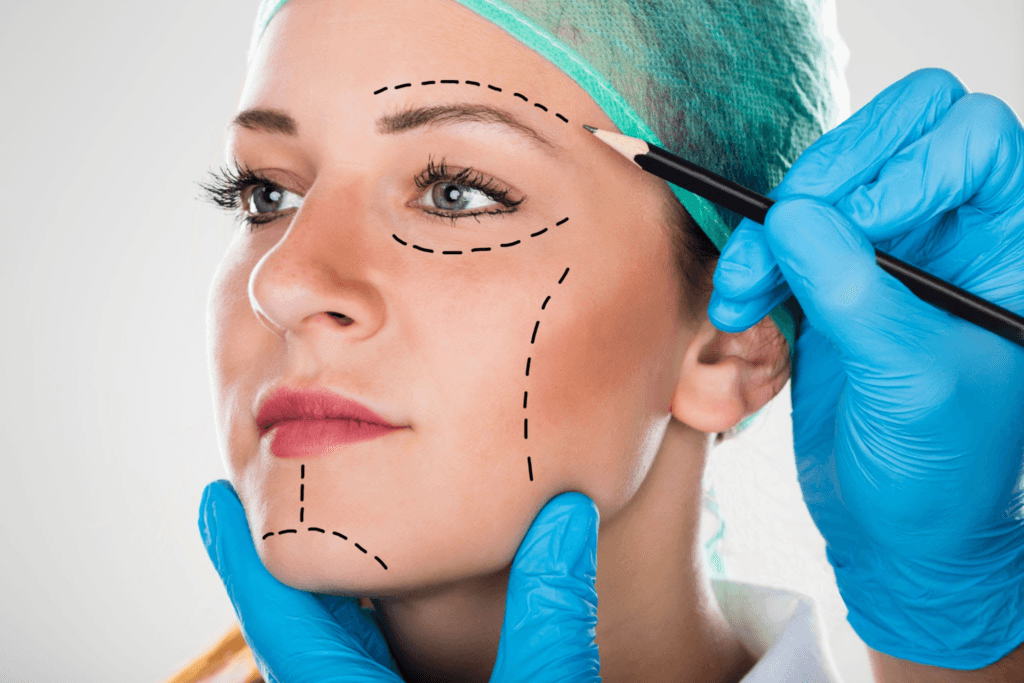
Planen Sie eine Facelifting im Ausland? Während die Idee, Kosteneinsparungen mit einem verjüngten Aussehen zu verbinden aufregend ist, beginnt die Sicherheit und der Erfolg lange vor der eigentlichen Operation. Voroperationelle Tests und Konsultationen sind entscheidende Schritte, um Risiken zu minimieren, Ergebnisse zu optimieren und sicherzustellen, dass Sie ein geeigneter Kandidat für den Eingriff sind. Dieses umfassender Leitfaden umreißt die wesentlichen voroperationellen Tests, Konsultationen und Vorbereitungen die vor einem Facelifting im Ausland erforderlich sind. Von medizinischen Bewertungen bis zu rechtlichen Überlegungen, werden wir alles abdecken, was Sie wissen müssen, um bereiten Sie sich selbstbewusst und sicher vor für Ihre Facelift-Reise.
Inhaltsverzeichnis
Warum präoperative Tests und Konsultationen entscheidend sind
Eine Facelifting‑Operation, besonders im Ausland, bringt mit sich einzigartige Risiken und Herausforderungen. Präoperative Tests und Konsultationen helfen:
1. Bewerten Sie Ihre Gesundheit und Eignung
- Identifizieren zugrunde liegende medizinische Bedingungen (z. B. Bluthochdruck, Diabetes), die das Operationsrisiko erhöhen.
- Stellen Sie sicher, dass Sie körperlich fit für Anästhesie und Operation.
2. Komplikationen minimieren
- Erkennen Blutgerinnungsstörungen, Allergien oder Infektionen die die Heilung gefährden.
- Anpassen Medikamente oder Nahrungsergänzungsmittel die möglicherweise das Blutungsrisiko erhöhen (z. B. Aspirin, Fischöl).
3. Passen Sie Ihren Operationsplan an
- Helfen Sie Ihrem Chirurgen passen Sie den Eingriff an an Ihre einzigartige Gesichtsanatomie und Alterungsbedenken.
- Besprechen realistische Erwartungen Und mögliche Ergebnisse basierend auf Ihrer Gesundheit und Hautbeschaffenheit.
4. Sicherstellung rechtlicher und ethischer Konformität
- Verifizieren Sie, dass die Klinik und der Chirurg internationalen Sicherheitsstandards entsprechen (z. B. ISAPS, JCI).
- Bestätigen informierte Einwilligung Und Haftpflichtversicherungsschutz für internationale Patienten.
5. Planen Sie eine reibungslose Genesung
- Empfangen detaillierte postoperative Anweisungen auf Ihre medizinische Vorgeschichte und Verfahrensart.
- Organisieren Nachsorge Und Notfallprotokolle vor der Reise.
Wichtige Erkenntnis: Das Überspringen präoperativer Tests und Konsultationen kann führen zu ernsten Komplikationen, schlechten Ergebnissen oder sogar rechtlichen Problemen. Priorisieren Sie immer gründliche Vorbereitung für ein sicheres und erfolgreiches Facelifting im Ausland.

Wesentliche präoperative Tests für ein Facelift im Ausland
1. Bluttests
Warum sie wichtig sind
Bluttests bewerten Ihre allgemeine Gesundheit, Gerinnungsfähigkeit und Infektionsrisiken, die für sichere Operation und Anästhesie.
Erforderliche Bluttests
| Test | Zweck | Normalbereich |
|——————————|———————————————————————————————–|————————————–|
| Complete Blood Count (CBC) | Überprüft auf Anämie, Infektionen oder Blutstörungen die die Heilung beeinträchtigen könnten. | Hemoglobin: 12-16 g\/dL (women), 14-18 g\/dL (men) |
| Coagulation Panel (PT\/INR, PTT) | Bewertet Blutgerinnungsfähigkeit um übermäßige Blutungen während der Operation zu verhindern. | INR: 0.8-1.2 |
| Basic Metabolic Panel (BMP) | Bewertet Nierenfunktion, Elektrolyte und Blutzucker zur Sicherheit der Anästhesie. | Glucose: 70-99 mg\/dL |
| Liver Function Tests (LFT) | Stellt sicher, dass Ihre Leber Anästhesie und Medikamente metabolisieren kann postoperativ. | ALT: 7-56 U/L, AST: 10-40 U/L |
| HIV/HEP/HBV Screening | Testet auf infektiöse Krankheiten die die Operation oder Genesung komplizieren könnten. | Negative Ergebnisse |
Profi-Tipp: Einige Kliniken im Ausland erfordern zusätzliche Tests (z.B., Schilddrüsenfunktionstests) basierend auf Ihrer medizinischen Vorgeschichte. Bestätigen Sie immer genaue Anforderungen bei Ihrem Chirurgen.
2. Kardiologische Bewertung
Warum es wichtig ist
Anästhesie und Operation belasten das Herz, was kardiologische Bewertungen für Patienten über 40 oder mit einer Vorgeschichte von Herzkrankheiten unerlässlich macht.
Erforderliche Herztests
| Test | Zweck | Normalbereich |
|——————————|———————————————————————————————–|————————————–|
| Elektrokardiogramm (EKG) | Erkennt unregelmäßige Herzrhythmen oder Ischämie die während der Anästhesie Risiken darstellen könnten. | Normaler Sinusrhythmus |
| Echokardiogramm | Bewertet Herzstruktur und -funktion für Patienten mit bekannten Herzproblemen. | Ejektionsfraktion: 50-70% |
| Belastungstest (falls nötig) | Bewertet Herzreaktion auf Stress für Hochrisikopatienten. | Keine Ischämie oder Arrhythmien |
Profi-Tipp: Wenn Sie ein Herzkrankheitsgeschichte, kann Ihr Chirurg verlangen Freigabe von einem Kardiologen bevor Sie fortfahren.
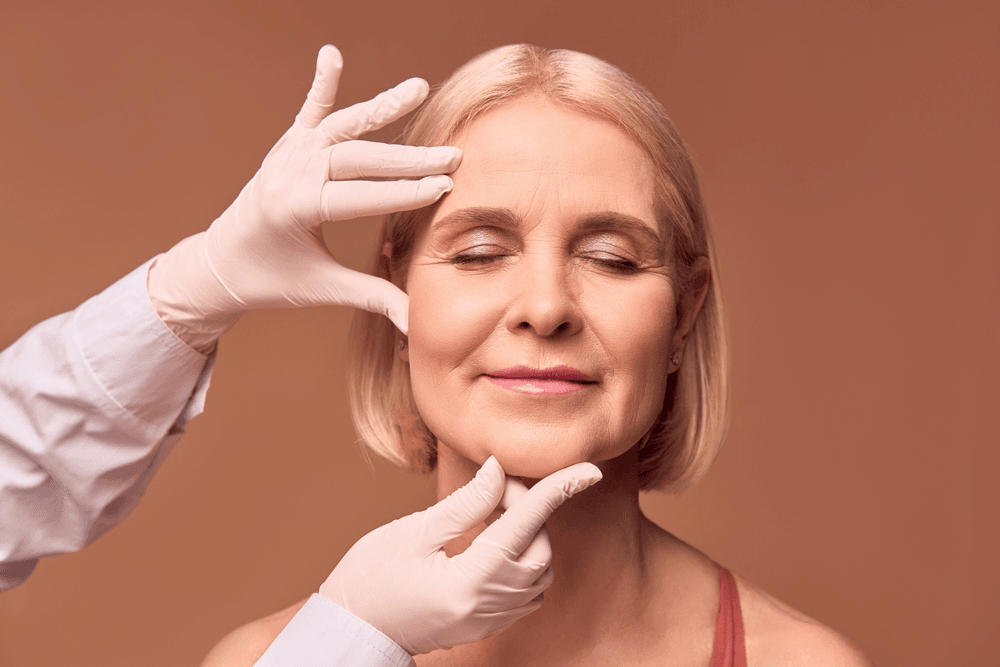
3. Allergietests
Warum es wichtig ist
Allergische Reaktionen auf Anästhesie, Antibiotika oder chirurgische Materialien können sein lebensbedrohlich. Tests gewährleisten Ihre Sicherheit während und nach der Operation.
Übliche Allergietests
- Hautpricktest: Identifiziert Allergien gegen Latex, Antibiotika (z. B. Penicillin) oder Anästhesie‑Komponenten.
- Bluttest (IgE): Erkennt spezifische allergische Antikörper gegen Medikamente oder Materialien, die bei Operationen verwendet werden.
Profi-Tipp: Informieren Sie Ihren Chirurgen über alle bekannten Allergien, einschließlich Nahrungsmittel, Medikamente oder Umweltfaktoren.
4. Bildgebende Verfahren
Warum sie wichtig sind
Bildgebung hilft Ihrem Chirurgen den Eingriff zu planen Und Komplikationen zu vermeiden (z. B. Nervenschäden, Asymmetrie).
Erforderliche bildgebende Tests
| Test | Zweck |
|——————————|———————————————————————————————–|
| 3D-Gesichtsbildgebung | Erstellt ein digitales Modell Ihres Gesichts um Ergebnisse zu simulieren und Schnitte zu planen. |
| CT-Scan (falls nötig) | Bewertet Knochenstruktur und Gesichtssymmetrie für komplexe Eingriffe. |
| Ultraschall (für nicht-chirurgische Optionen) | Bewertet Hautdicke und Elastizität für Fadenlifting oder Füllstoffe. |
Profi-Tipp: 3D-Bildgebung ist besonders nützlich für die Visualisierung erwarteter Ergebnisse und die Sicherstellung symmetrischer Resultate.

Verpflichtende präoperative Konsultationen
1. Erstberatung virtuell oder persönlich mit Ihrem Chirurgen
Warum es wichtig ist
Diese Beratung bestimmt, ob Sie ein geeigneter Kandidat für ein Facelifting sind und hilft Ihren chirurgischen Plan anzupassen.
Was zu besprechen ist
- Ihre Ziele: Was möchten Sie erreichen? (z.B., Kieferdefinition, Faltenreduktion, Halsstraffung).
- Medizinische Vorgeschichte: Offenlegen alle vergangenen Operationen, chronischen Erkrankungen und Medikamente.
- Verfahrensoptionen: Traditionelles Facelifting, SMAS-Lift, Mini-Facelift oder nicht-chirurgische Alternativen (z.B., Fadenlifting, Füllstoffe).
- Anästhesie-Optionen: Allgemeinanästhesie vs. Lokalanästhesie mit Sedierung.
- Risiken und Komplikationen: Nervenschäden, Narbenbildung, Infektionen oder Risiken von Asymmetrien.
- Erholungszeitplan: Erwartet Ausfallzeit, Nachsorge und Nachbehandlungsplan.
- Kosten und Zahlungspläne: Gesamtkosten, was enthalten ist, und Finanzierungsmöglichkeiten.
Profi-Tipp: Bringen Sie Fotos Ihrer gewünschten Ergebnisse um Ihrem Chirurgen zu helfen, Ihre ästhetischen Ziele.
2. Anästhesiologenkonsultation
Warum es wichtig ist
Anästhesie ist einer der risikoreichsten Aspekte der Facelifting-Operation. Diese Konsultation stellt sicher, dass Sie sicher für die Anästhesie und hilft Komplikationen zu verhindern.
Was zu besprechen ist
- Anästhesietyp: Allgemeinanästhesie vs. Lokalanästhesie mit Sedierung.
- Allergien oder frühere Reaktionen: Jegliche unerwünschte Reaktionen auf Anästhesie oder Medikamente.
- Medizinische Zustände: Herzkrankheiten, Lungenprobleme oder Schlafapnoe die die Anästhesiesicherheit beeinträchtigen könnten.
- Fastenanweisungen: Wie lange Nahrung/Wasser vermeiden vor der Operation.
- Nachanästhesie‑Betreuung: Was zu erwarten ist unmittelbar nach dem Aufwachen (z. B. Übelkeit, Schwindel).
Profi-Tipp: Fragen Sie nach dem Erfahrung des Anästhesisten Und Notfallprotokolle für den Fall von Komplikationen.
3. Präoperative medizinische Freigabe von Ihrem Hausarzt
Warum es wichtig ist
Ihr Hausarzt kann unerkannte Erkrankungen identifizieren die die Operation beeinflussen können und Stellen Sie sicher, dass Sie für den Eingriff fit sind.
Was zu besprechen ist
- Gesamtgesundheitsbewertung: Sind Sie für die Operation geeignet?
- Medikamentenüberprüfung: Welche Medikamente, die Sie absetzen oder anpassen sollten vor der Operation (z. B. Blutverdünner, NSAR).
- Management chronischer Erkrankungen: Wie man Diabetes, Bluthochdruck oder Schilddrüsenprobleme behandeln perioperativ.
- Nachsorgeplan: Koordinieren Sie mit Ihrem Hausarzt für die Nachsorge nach der Rückkehr nach Hause.
Profi-Tipp: Fordern Sie ein schriftliches Freigabeschreiben von Ihrem Arzt, das Sie Ihrem Chirurgen im Ausland vorlegen können.
4. Ernährungsberatung
Warum es wichtig ist
Eine richtige Ernährung beschleunigt die Heilung, reduziert Schwellungen und minimiert Narbenbildung. Eine Ernährungsberatung stellt sicher, dass Sie Ihre Ernährung optimieren zur Genesung.
Was zu besprechen ist
- Vor-OP-Diät: Lebensmittel zum Essen oder Vermeiden vor der Operation (z. B., entzündungshemmende Lebensmittel, Hydration).
- Nach-OP-Diät: Nährstoffe, die die Heilung fördern (z.B., Protein, Vitamin C, Zink).
- Ergänzungen: Welche Vitamine oder Ergänzungen zur Einnahme (z. B., Arnika gegen Blutergüsse, Bromelain gegen Schwellungen).
- Flüssigkeitszufuhr: Wie viel Wasser zu trinken vor und nach der Operation.
Profi-Tipp: Beginnen Sie ein voroperative Ernährungsplan mindestens 2 Wochen vor der Operation zu stärken Sie Ihr Immunsystem.
Rechtliche und ethische Überlegungen vor einem Facelift im Ausland
1. Aufgeklärte Einwilligung
Warum es wichtig ist
Informierte Einwilligung stellt sicher, dass Sie die Risiken, Vorteile und Alternativen vollständig verstehen des Eingriffs.
Was zu überprüfen ist
- Schriftliches Einwilligungsformular: Muss sein in Ihre Sprache übersetzt Und vor der Operation unterschrieben.
- Risiken und Komplikationen: Umreißt klar potenzielle Probleme (z. B. Nervenschäden, Narbenbildung, Asymmetrie).
- Alternativen: Bespricht nicht-chirurgische Optionen (z. B. Fadenlifting, Füllstoffe, Laserbehandlungen).
- Qualifikationen des Chirurgen: Bestätigt, dass der Chirurg ist fachärztlich zertifiziert (ISAPS oder lokales Äquivalent).
- Klinikakkreditierung: Stellt sicher, dass die Einrichtung JCI-akkreditiert ist oder den lokalen Sicherheitsstandards entspricht.
Profi-Tipp: Unterschreiben Sie niemals ein Einwilligungsformular, das Sie nicht vollständig verstehen. Fragen Sie nach einem Übersetzung oder rechtliche Überprüfung falls nötig.
2. Arzthaftpflichtversicherung
Warum es wichtig ist
Wenn Komplikationen auftreten, eine Haftpflichtversicherung für Kunstfehler stellt sicher, dass Sie rechtlichen Rückgriff und finanziellen Schutz.
Was zu überprüfen ist
- Versicherungspolice der Klinik: Deckt ab internationale Patienten für Komplikationen oder Nachbesserungen.
- Haftpflichtversicherung des Chirurgen: Schützt vor chirurgischen Fehlern oder Fahrlässigkeit.
- Lokale Gesetze: Verstehen Sie die rechtlichen Schutzmaßnahmen für Medizintouristen in Ihrem Zielland.
Profi-Tipp: Fordern Sie ein Kopie der Versicherungspolice der Klinik und bestätigen Sie, dass sie abdeckt ihre spezifische Behandlung.
3. Reise- und Medizinversicherung
Warum es wichtig ist
Standard-Reiseversicherung decken keine kosmetische Chirurgie ab. Spezialisiert medizinische Tourismusversicherung ist unerlässlich für Komplikationen, Reiserücktritt oder Notfälle.
Worauf Sie achten sollten
- Komplikationsdeckung: Deckt ab post-op Infektionen, Hämatome oder Revisionen.
- Reiserücktritt: Erstattung nicht erstattbare Anzahlungen wenn Sie stornieren müssen.
- Notfall-Evakuierung: Deckt ab medizinische Beförderung zurück in Ihr Heimatland, falls erforderlich.
- Nachsorge: Enthält virtuelle Beratungen mit Ihrem Chirurgen nach Ihrer Rückkehr.
Profi-Tipp: Vergleichen Sie Policen von Allianz, AXA oder SafetyWing um das beste Deckung für Ihre Bedürfnisse.
Schritt‑für‑Schritt‑Checkliste für die präoperative Phase
4-6 Wochen vor der Operation
- [ ] Recherchieren und einen Facharzt auswählen (ISAPS oder lokale Entsprechung).
- [ ] Klinikakkreditierung überprüfen (JCI, ISO oder lokales Gesundheitsministerium).
- [ ] Vereinbaren Sie eine virtuelle Beratung bei Ihrem Chirurgen.
- [ ] Vervollständigen Sie die erforderlichen Bluttests und kardialen Untersuchungen lokal oder im Ausland.
- [ ] Medizinische Freigabe einholen von Ihrem Hausarzt.
- [ ] Versicherung für Medizintourismus erwerben die Komplikationen und Notfälle abdeckend.
- [ ] Ein präoperatives Ernährungsprogramm starten (anti-entzündliche Ernährung, Hydration, Nahrungsergänzungsmittel).
2 Wochen vor der Operation
- [ ] Blutverdünnende Medikamente absetzen (Aspirin, Ibuprofen, Fischöl).
- [ ] Alkohol und Rauchen vermeiden um die Heilung zu verbessern.
- [ ] Reise- und Unterkunftspläne bestätigen (Direktflüge, erholungsfreundliche Hotels).
- [ ] Wesentliche postoperativen Vorräte packen (Kompressionskleidung, Narbencremes, Medikamente).
- [ ] Eine Pflegeperson organisieren um während der ersten 48 Stunden nach der OP zu unterstützen.
1 Woche vor der Operation
- [ ] Endgültige virtuelle Konsultation mit Ihrem Chirurgen zur Durchsicht des operativen Plans.
- [ ] Bestätige Nüchternheitsanweisungen (typischerweise 8-12 Stunden vor der Operation).
- [ ] Bereite deinen Erholungsraum vor (Kissen, Kühlpacks, Unterhaltung).
- [ ] arrangieren sie die postoperative beförderung vom Klinikum zum Hotel.
- [ ] überprüfen sie die notfallkontaktinformationen für Ihren Chirurgen und das örtliche Krankenhaus.
Tag vor der Operation
- [ ] Gut hydrieren aber befolgen Fastenrichtlinien (keine Nahrung/Wasser nach Mitternacht).
- [ ] duschen mit antibakterieller Seife um das Infektionsrisiko zu reduzieren.
- [ ] vermeiden sie make-up, Lotionen oder Schmuck am Tag der Operation.
- [ ] schlafen sie gut um die Heilung zu unterstützen.
- [ ] bestätigen sie Ihre Operationszeit Und Transportation zur Klinik.
Häufige Fehler, die man vor einem Facelift im Ausland vermeiden sollte
1. Voroperationstests überspringen
- Risiko: Undiagnostizierte Erkrankungen (z.B., Thrombosestörungen, Herzprobleme) kann zu ernsten Komplikationen.
- Lösung: Vollständig alle erforderlichen Tests und teilen Sie die Ergebnisse mit Ihrem Chirurgen.
2. Auswahl eines Chirurgen allein aufgrund des Kosten
- Risiko: Günstige Chirurgen können fehlende Qualifikationen oder Erfahrung, was zu schlechte Ergebnisse oder Komplikationen.
- Lösung: Priorisieren Facharztzertifizierung (ISAPS) und Patientenbewertungen über Preis.
3. Nicht Offenlegung der medizinischen Vorgeschichte
- Risiko: Versteckte Erkrankungen (z. B., Diabetes, Hypertonie) Sicherheit und Heilung gefährden.
- Lösung: Seien vollständig transparent über Ihre Gesundheit, Medikamente und Allergien.
4. Reiseversicherung ignorieren
- Risiko: Komplikationen im Ausland können zu hohe medizinische Rechnungen oder rechtliche Probleme ohne Versicherungsschutz.
- Lösung: Kaufen medizinische Tourismusversicherung die abdeckt Notfälle und Revisionen.
5. Zu früh nach der Operation fliegen
- Risiko: Erhöhte Schwellungen, Blutgerinnsel oder Hämatome aufgrund des Kabinendrucks.
- Lösung: Warten mindestens 10-14 Tage vor dem Fliegen (oder wie von Ihrem Chirurgen empfohlen).
Echte Patientenerfahrungen: Gelernte Lektionen
Fallstudie 1: Reibungsloser Prä‑OP‑Prozess in Südkorea
- Patient: 55-jährige Frau aus Kanada.
- Ziel: Seoul, Südkorea.
- Erfahrung: “... value bevor mein SMAS-Facelifting genehmigt wurde. Die virtuellen Beratungstermin half mir, die Risiken und den Heilungsplan.”
- Lehre: “Lassen Sie präoperative Tests nicht aus—sie stellten sicher, dass ich ein geeigneter Kandidat und Komplikationen vermieden.”
Fallstudie 2: Komplikationen aufgrund übersprungener Konsultationen in Mexiko
- Patient: 48-jähriger Mann aus den USA.
- Ziel: Tijuana, Mexiko.
- Erfahrung: “Ich verschieg meinen hohen Blutdruck um Zeit zu sparen. Nach der Operation hatte ich starke Blutungen und benötigte eine “Meine Praxis erforderte.”
- Lehre: “Seien Sie stets ehrlich über Ihren Gesundheitszustand—Es lohnt sich nicht, das Risiko einzugehen!”
Fallstudie 3: Last‑Minute‑Prä‑OP‑Tests in der Türkei
- Patient: 50-jährige Frau aus dem Vereinigten Königreich.
- Ziel: Istanbul, Türkei.
- Erfahrung: “Meine Klinik erforderte letztminütige Blutuntersuchungen bei der Ankunft. Ich war gestresst aber erleichtert waren sie ein Gerinnungsproblem entdeckt vor der Operation.”
- Lehre: “Tests im Voraus durchführen um Überraschungen zu vermeiden.”
Abschluss
Wichtige Erkenntnisse
- Präoperative Untersuchungen (Blutuntersuchungen, kardiale Evaluierungen, Bildgebung) sind wesentlich für The assistant should output only the JSON object, no extra text..
- Beratungen mit Ihrem Chirurg, Anästhesist und Hausarzt stellen Sie sicher, dass Sie vollständig vorbereitet für den Eingriff.
- Rechtliche und ethische Überlegungen (informierte Einwilligung, Berufshaftpflichtversicherung, Reiseversicherung) schützen Sie vor Risiken und Komplikationen.
- Vermeiden Sie häufige Fehler wie das Auslassen von Tests, das Verschweigen der Krankengeschichte oder zu frühes Fliegen nach der Operation.
Nächste Schritte
- Recherchieren und wählen Sie einen ISAPS-zertifizierten Chirurgen an Ihrem gewünschten Zielort.
- Vereinbaren Sie eine virtuelle Beratung um Ihr Ziele, Krankengeschichte und Operationsplan.
- Führen Sie alle erforderlichen Voruntersuchungen durch (Blutuntersuchung, EKG, Allergietests) und holen Sie die medizinische Freigabe ein.
- Versicherung für Medizintourismus erwerben zur Abdeckung Komplikationen und Notfälle.
- Befolgen Sie die präoperativen Anweisungen Ihres Chirurgen (Ernährung, Medikamente, Fasten) ein, um die Heilung zu optimieren.
- Planen Sie Ihre Reise- und Erholungslogistik (Flüge, Unterkünfte, Nachsorge).
Indem Sie dies befolgen Schritt-für-Schritt-Anleitung, werden Sie vollständig vorbereitet für eine sichere, erfolgreiche Facelifting-Operation im Ausland—um dies zu erreichen jugendliche, verjüngte Erscheinungsbild zu erreichen, das Sie wünschen, während Risiken minimiert und eine reibungslose Genesung sichergestellt werden.
Unsere Chirurgen und angeschlossenen Fachleute
Bei Surgyteam sind wir stolz darauf, mit einem angesehenen Team von medizinischen Fachkräften zusammenzuarbeiten, die jeweils über umfangreiche Expertise und ein Engagement für patientenorientierte Versorgung verfügen.
- Dr. Mehmet Fatih Okyay (Dr. MFO): Facharzt für plastische, rekonstruktive und ästhetische Chirurgie. Mitbegründer von Surgyteam. FEBOPRAS zertifiziert. (https://www.dr-mfo.com/)
- Dr. Selçuk Yılmaz: Facharzt für plastische, rekonstruktive und ästhetische Chirurgie. (https://drselcukyilmaz.com)
- Dr. Ebru Okyay: Fachärztin für Dermatologie. (https://drebruokyay.com/)
- Dr. Mustafa Keleş: Facharzt für ästhetische, plastische und rekonstruktive Chirurgie. (https://www.medstar.com.tr/doktorlar/mustafa-keles/)
- Dr. Boray Yücel: Facharzt für plastische, rekonstruktive und ästhetische Chirurgie. (https://borayucel.com/)
- Dr. Sibel Atalay: Fachärztin für plastische, rekonstruktive und ästhetische Chirurgie. Klinik mit Zertifikat für internationalen Medizintourismus. (https://www.sibelatalay.com.tr/)
- Dr. Mert Meral: Facharzt für plastische, rekonstruktive und ästhetische Chirurgie. EBOPRAS zertifiziert. (https://mertmeral.com/)
Um mehr über Surgyteam zu erfahren und wie wir Ihnen helfen können, besuchen Sie bitte unsere Website:
https://surgyteam.com/
Haftungsausschluss: Dieser Blogbeitrag dient ausschließlich Informationszwecken und stellt keine medizinische Beratung dar. Die Kosten sind Schätzungen und können variieren. Konsultieren Sie stets einen qualifizierten Mediziner für persönliche Beratung und Behandlung.