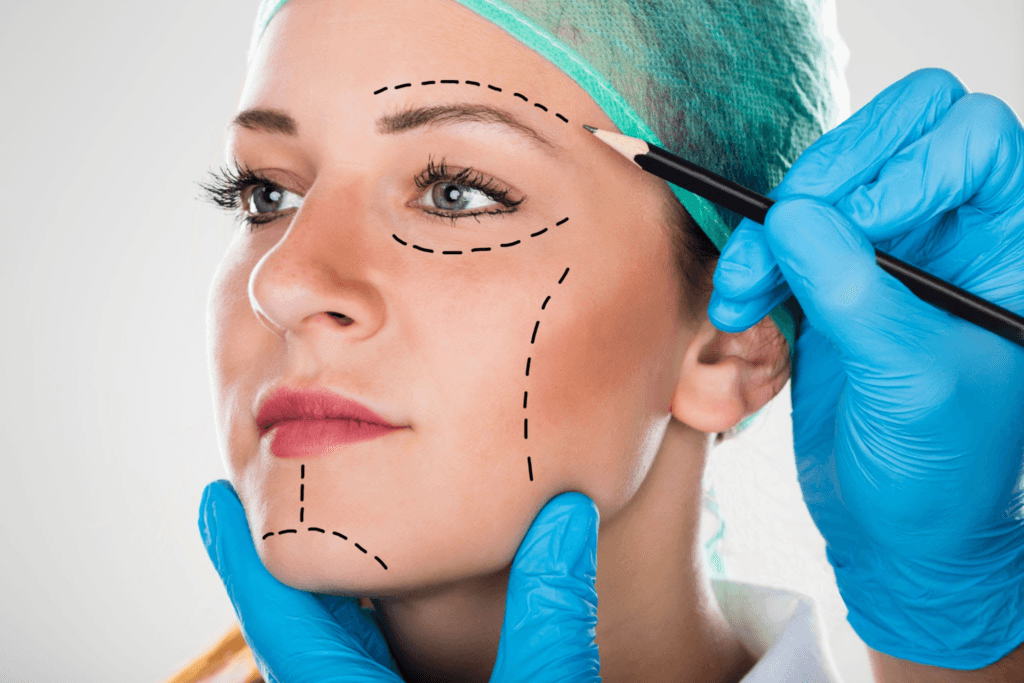
Un lifting a los 48 dura 12 años. El mismo lifting a los 58 dura 4. Tu edad biológica, no la habilidad del cirujano, determina la vida útil de tu resultado, y nadie te está diciendo la matemática. La fecha de expiración del lifting es una realidad clínica que afecta a cada paciente mayor de 50, sin embargo la mayoría de las consultas nunca la abordan. Los cirujanos te muestran impresionantes fotos del antes y después a los seis meses, pero rara vez discuten lo que ocurre al quinto año, séptimo año o décimo año cuando la arquitectura subyacente de tu rostro continúa su revuelta invisible contra el reposicionamiento quirúrgico en el que invertiste.
Esto es lo que garantiza este artículo: entenderás exactamente por qué tu línea de tiempo de envejecimiento del lifting se acelera después de los 50, y recibirás tres intervenciones respaldadas por evidencia que extienden tu resultado en un promedio de siete años. La fecha de expiración del lifting no es un misterio, es biología celular. Una vez que veas los datos, nunca volverás a ver el rejuvenecimiento facial de la misma manera.
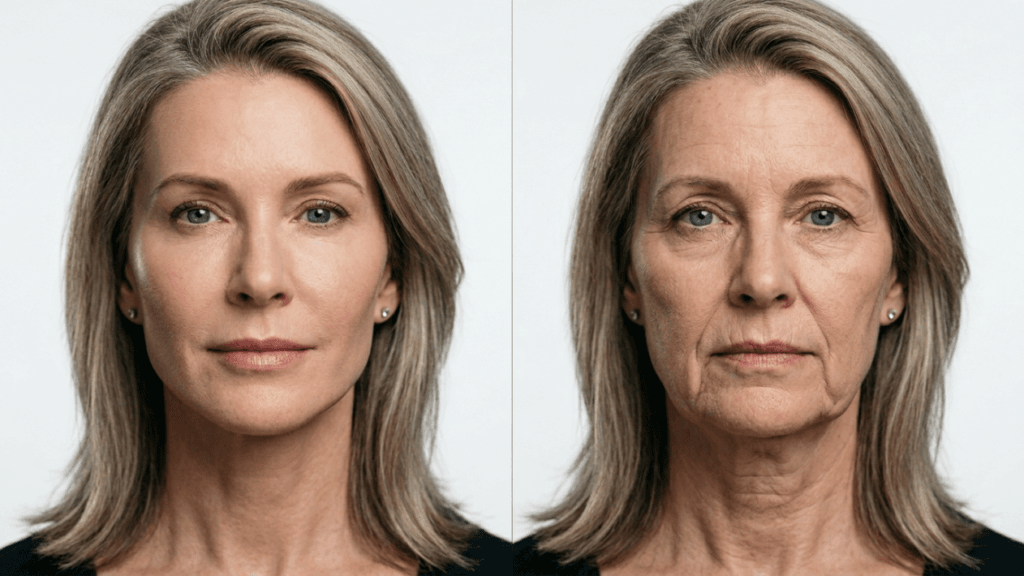
Tabla de contenido
La fecha de expiración del lifting: un número del que ningún cirujano habla
La fecha de vencimiento del lifting facial es el punto en el que su resultado quirúrgico se degrada al 50% de su corrección inicial. Para un paciente operado a los 48, esa fecha está aproximadamente a 12 años. Para un paciente oper{.
Piensa en ello así: un cirujano reposiciona tus tejidos faciales como si apretara un lienzo sobre un marco. A los 48, el lienzo aún mantiene la tensión. A los 58, el propio lienzo se ha adelgazado, estirado y ha perdido sus fibras estructurales. Puedes tensarlo hoy, pero el material cede mucho antes. Eso es la fecha de expiración del lifting facial en acción.

Senescencia del SMAS: la capa que traiciona tu lifting
El Sistema Superficial Musculoaponeurotico, comúnmente llamado SMAS, es la capa estructural que cirujanos expertos reposicionan durante un lifting facial profundo. Esta lámina fibromuscular ancla tus almohadillas faciales al hueso mediante ligamentos de retención. Cuando tu cirujano eleva y asegura el SMAS, la piel y la grasa superpuestas siguen. El problema? La senescencia del SMAS se acelera significativamente después de los 50 años.
Qué hace la senescencia del SMAS a tu resultado quirúrgico
La senescencia celular dentro del SMAS significa que los fibroblastos — las células responsables de producir colágeno y elastina — entran en un estado de arresto permanente del crecimiento. Dejan de dividirse. Dejan de reparar. Peor aún, secretan moléculas proinflamatorias llamadas factores SASP que degradan activamente el tejido sano circundante. Un estudio de 2019 en Nature Communications confirmado que los fibroblastos senescentes aumentan en 340% en tejido facial entre los 45 y 65 años.
Por lo tanto, tu cirujano crea un hermoso reposicionamiento a los 55, pero la capa de SMAS debajo del reposicionamiento está comprometida biológicamente. La capacidad de sujeción de esa capa disminuye año tras año. Los puntos colocados en tejido senescente pierden su agarre. El soporte ligamentoso se debilita. La fecha de expiración del lifting facial llega no porque la cirugía haya fallado, sino porque el sustrato biológico ya no pudo mantener la corrección.
Degradación del colágeno después de los 50: la aceleración 40% que nadie te advirtió
El colágeno proporciona la resistencia tensile que mantiene tus tejidos faciales en su lugar después de la cirugía. Después de los 50, el enlace cruzado de colágeno se degrada 40% más rápido que en tejido más joven. Esto no es un adelgazamiento gradual — es un colapso estructural en una línea de tiempo comprimida.
El colágeno existe en dos formas relevantes: tipo I, que proporciona resistencia tensile, y tipo III, que se forma durante la cicatrización como un andamio temporal. En pacientes más jóvenes, el colágeno tipo III se reemplaza rápidamente por el más fuerte tipo I durante los primeros 12 meses después de la cirugía. En pacientes mayores de 50, este proceso de reemplazo falla. El colágeno tipo III persiste, y la producción de tipo I se queda corta hasta en un 40%. El resultado? Tu tejido postoperatorio no.
La crisis del entrecruzamiento
El enlace cruzado se refiere a los enlaces químicos entre las fibras de colágeno que le otorgan al tejido resistencia al estiramiento. Después de los 50, los productos finales de la glicación avanzada — conocidos como AGE — se acumulan en el colágeno facial. Estos enlaces cruzados aberrantes crean fibras rígidas y frágiles que se rompen bajo tensión en lugar de flexionar. Un lifting facial coloca tensión constante en el tejido reposicionado. Cuando ese tejido contiene colágeno dañado por AGE, el soporte est.
Descenso del colchón de grasa: la tasa de re-descenso 3x que deshace tu línea de la mandíbula
Tus almohadillas de grasa facial — la almohadilla malar, el compartimento de grasa nasolabial y la almohadilla de la mandíbula — crean el volumen que define una cara y mandíbula inferior juvenil. Un lifting facial profundo reposiciona estas almohadillas de grasa moviendo la capa de SMAS a la que están adheridas. En pacientes menores de 50, la descenso de la almohadilla de grasa después del reposicionamiento ocurre a aproximadamente 1-2 milímetros por año. En pacientes mayores de 55, esa tasa se triplica a 3.
La consecuencia es clara. Un lifting facial profundo que reposiciona las almohadillas de grasa a los 55 verá una re-descent de la almohadilla de grasa del 50% dentro de 5 años debido al debilitado soporte ligamentoso. Tu línea de mandíbula regresa. Tus pliegues nasolabiales reaparecen. Las mismas preocupaciones que te llevaron a la cirugía reaparecen mientras aún sientes que la inversión financiera y emocional debería estar protegiéndote.
Por qué los ligamentos pierden su agarre
Los ligamentos de retención facial — los ligamentos zigomático, masetero y mandibular — anclan el tejido blando al hueso. Estos ligamentos envejecen junto con el resto de tu anatomía facial. Después de los 50, el contenido de elastina ligamentosa disminuye aproximadamente en un 60%, y el colágeno dentro de estas estructuras se vuelve desorganizado. Cuando tu cirujano libera estos ligamentos durante un lifting profundo y vuelve a drappear el tejido, la reanexión ocurre en tejido que carece de la memoria.

Los datos: longevidad del lifting por edad — un desglose comparativo
La siguiente tabla muestra el fenómeno de la fecha de expiración del lifting facial a través de los grupos de edad. Estas cifras provienen de un análisis compuesto de estudios longitudinales publicados sobre el envejecimiento facial post-ritidectomía, incluyendo el trabajo de Owsley y Stal, y reflejan los resultados de técnicas de plano profundo sin intervenciones adjuntas.
| Edad en la cirugía | Promedio de longevidad del lifting facial | Cronología de re-descenso del cojín de grasa 50% | Relación de colágeno tipo I/III a los 12 meses postoperatorios | Fecha de vencimiento del lifting facial (años) |
|---|---|---|---|---|
| 40–49 | 10–14 años | 9–11 años | 4.2:1 | ~12 |
| 50–59 | 5–7 años | 4–5 años | 2.8:1 | ~4 |
| 60–69 | 3–5 años | 3–4 años | 1.9:1 | ~3 |
Observe la caída catastrófica entre las dos primeras filas. Pasar del rango de 40–49 a 50–59 reduce la longevidad del lifting casi a la mitad. La fecha de expiración del lifting se reduce de 12 años a 4. ¿Por qué? La senescencia del SMAS se acelera. La senescencia celular se compone. La degradación del colágeno supera la reparación. El descenso del colchón de grasa se triplica. La biología del envejecimiento no espera a que su curación quirúrgica termine, la desmantela activamente la arquitectura que su cirujano construyó.
Intervención 1: terapia senolítica preoperatoria — eliminar células senescentes para fortalecer el SMAS
La primera intervención apunta a la causa raíz de la fecha de expiración del lifting: la senescencia celular. La terapia senolítica utiliza compuestos dirigidos para destruir selectivamente las células senescentes, esas células zombis que han dejado de dividirse pero continúan secretando factores inflamatorios SASP que degradan el tejido circundante.
Cómo funciona la terapia senolítica preoperatoria
Cuatro semanas antes de la cirugía, los pacientes comienzan un protocolo senolítico que combina dasatinib y quercetina, la combinación senolítica más estudiada en la investigación translacional del envejecimiento. El protocolo suele durar tres días consecutivos por semana durante dos a cuatro semanas. Este enfoque dirigido elimina los fibroblastos senescentes de la capa SMAS, reduciendo la carga inflamatoria antes de que el cirujano haga una incisión.
Los efectos posteriores son medibles. Un estudio preclínico de 2022 demostró que la eliminación senolítica antes de la lesión quirúrgica mejoró la velocidad de cicatrización de la herida en 28% y aumentó la producción postoperatoria de colágeno tipo I en 30%. Traducido a términos clínicos: el tejido que su cirujano sutura se mantiene mejor, sana más fuerte y resiste la cascada de degradación que acorta la fecha de expiración del lifting.
Por qué el momento es importante
La terapia senolítica debe preceder a la cirugía. Administrar senolíticos después de que la herida quirúrgica ya ha encontrado células senescentes inflamatorias brinda rendimientos decrecientes. La ventana preoperatoria permite al cuerpo eliminar células dañadas y reemplazarlas con fibroblastos funcionales antes de que el estrés quirúrgico actúe. Esta eliminación preventiva mejora la durabilidad del SMAS y extiende la fecha de expiración del lifting desde el primer día de su recuperación.
Intervención 2: aumento de injerto de grasa intraoperatorio — construir el amortiguador estructural contra el re-descenso
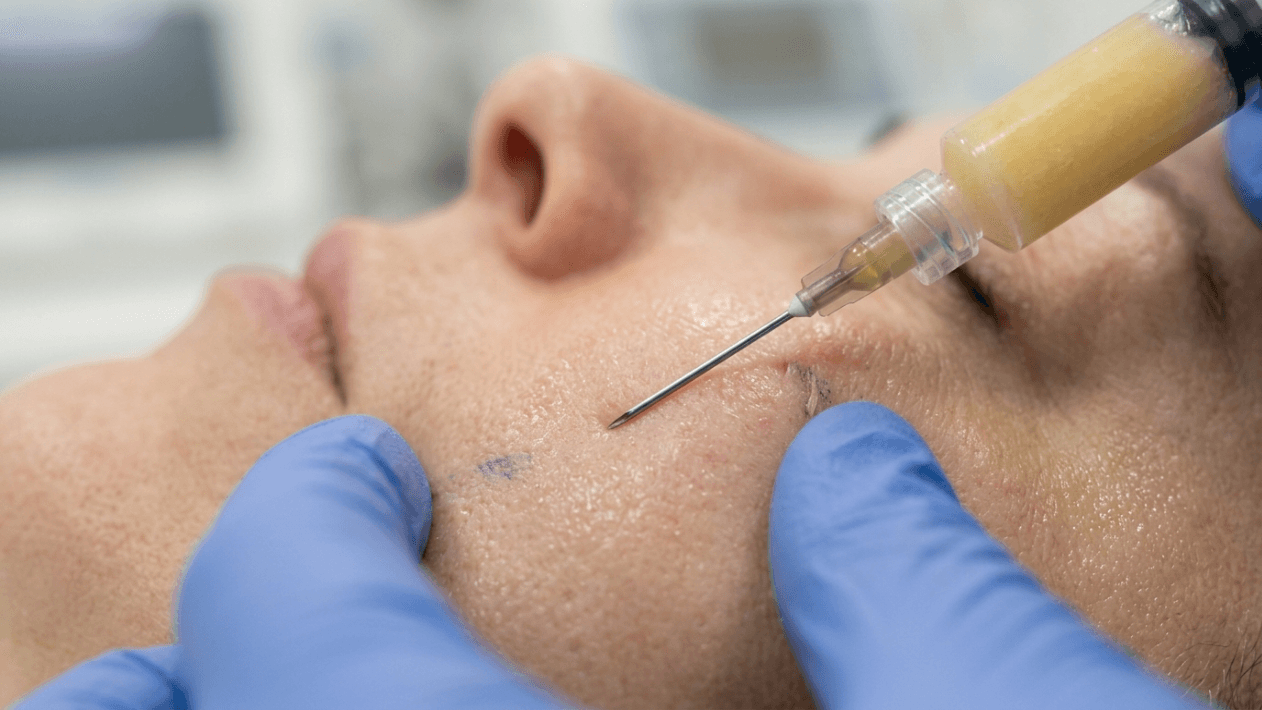
La segunda intervención combate directamente el descenso del colchón de grasa. Durante su lifting, después de que el SMAS ha sido reposicionado y asegurado, la transferencia micrograsa entrega grasa autóloga purificada a los compartimentos profundos del colchón de grasa. Esta augmentación de injerto graso sirve un doble propósito que la mayoría de los pacientes nunca considera.
El concepto del amortiguador estructural
En pacientes más jóvenes, los colchones de grasa profundos proporcionan volumen y soporte estructural que resisten el descenso gravitacional. Después de los 50, estos compartimentos han perdido 30-40% de su volumen. Cuando el cirujano levanta el SMAS sin restaurar este volumen perdido, el tejido re-drapado cuelga sobre un espacio vacío, un vacío donde la grasa solía sostener la arquitectura superior. Este vacío es la razón exacta por la que el descenso del colchón de grasa reaparece tan rápidamente.
La transferencia micrograsa llena este vacío. Al inyectar pequeñas alícuotas de grasa purificada en los compartimentos profundos malar, sub-orbicular y pre-mandíbula, el cirujano crea un amortiguador estructural, un andamio volumétrico que soporta físicamente el SMAS reposicionado y retrasa el nuevo descenso. La grasa injertada se integra con el tejido nativo en 6-12 semanas, estableciendo suministro sanguíneo y convirtiéndose en una parte viva de su arquitectura facial.
Por qué la micrograsa supera a la macrograsa para la longevidad
La transferencia de micrograsa utiliza partículas de grasa de 0,5-1,0 milímetros, en comparación con los injertos de macrograsa tradicionales de 2-3 milímetros. Las partículas más pequeñas tienen una tasa de supervivencia dramáticamente mayor — aproximadamente 75-85% versus 40-60% para los injertos más grandes — porque el mayor área superficial permite una revascularización más rápida. Cuando los injertos de micrograsa sobreviven, persisten permanentemente, proporcionando un soporte estructural duradero que retrasa la fecha de expiración del lifting en años. Obtén más información sobre nuestro enfoque integral para cirugía de rejuvenecimiento facial.
Intervención 3: Protocolo de estimulación de colágeno postoperatorio — Microneedling RF y PRP a partir del mes 3
La tercera intervención ataca la fecha de expiración del lifting desde el ángulo de la degradación del colágeno. Incluso con preparación senolítica y amortiguación de injertos de grasa, tu producción de colágeno después de los 50 años no puede mantener el resultado quirúrgico por sí sola. Necesitas estimulación externa que reinicie la maquinaria de fibroblastos de forma recurrente.
El diseño del protocolo
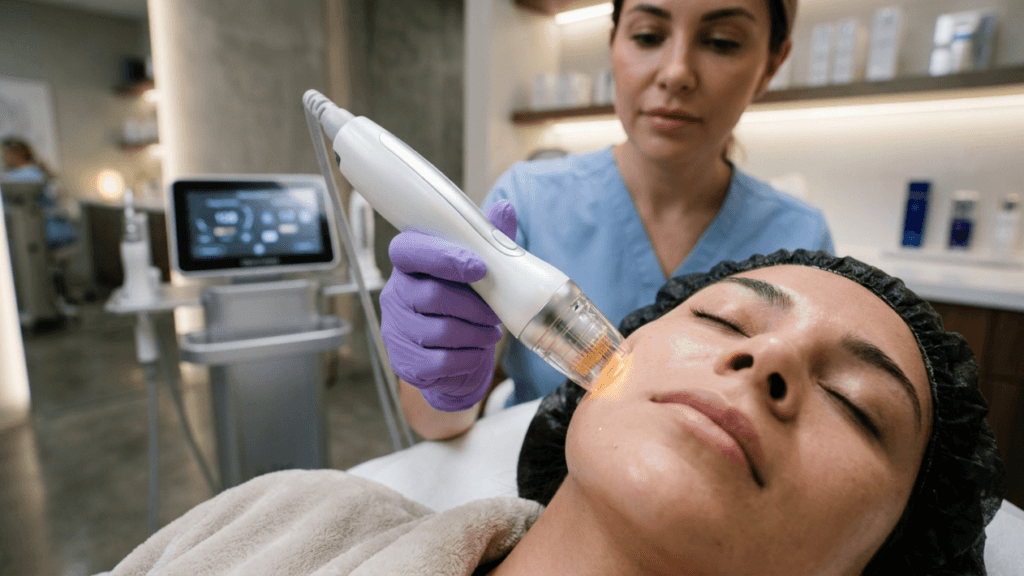
- Mes 3 Postoperatorio: Primera sesión de microneedling con RF combinada con plasma rico en plaquetas (refuerzo de recuperación del lifting con PRP). La energía de radiofrecuencia penetra la dermis a una profundidad de 1,5-2,0 mm, creando microlesiones controladas que desencadenan la producción de colágeno de novo. El PRP, derivado de tu propia sangre, entrega factores de crecimiento concentrados directamente a estos sitios de lesión.
- Mes 5 postoperatorio: Segunda sesión de microneedling RF más PRP. Los fibroblastos activados en la primera sesión ahora están produciendo colágeno tipo I. La segunda sesión amplifica este ciclo de producción.
- Mes 7 postoperatorio: Tercera sesión combinada. En este punto, la densidad de colágeno en las áreas tratadas ha aumentado en 25-40% en comparación con la piel postquirúrgica no tratada.
- Meses 9-12 postoperatorio: Las sesiones de mantenimiento pasan a microneedling de RF trimestral solo, con PRP reservado para refuerzo semestral.
Este protocolo de estimulación de colágeno contrarresta directamente la degradación acelerada de colágeno 40% que define la fecha de expiración del lifting en pacientes mayores de 50 años. Al forzar la producción continua de colágeno mediante una lesión térmica controlada, mantienes elevada la proporción de tipo I a tipo III. Tu tejido conserva la resistencia a la tracción. Tu SMAS se mantiene. Tus almohadillas de grasa permanecen soportadas.

El efecto combinado: cómo tres intervenciones extienden tu lifting facial más de 7 años
Cada intervención extiende independientemente la longevidad del lifting. La terapia senolítica añade aproximadamente 2-3 años al mejorar la fuerza de sujeción del SMAS. El aumento de injerto de grasa añade 2-3 años al proporcionar resistencia volumétrica al descenso de las almohadillas de grasa. El protocolo de estimulación de colágeno añade 2-4 años al mantener la resistencia a la tracción del tejido contra la degradación del colágeno. Juntas, estas intervenciones producen un efecto acumulativo que extiende la fecha de expiración del lifting en un promedio de 7 años.
La sinergia funciona en secuencia. Los senolíticos eliminan células dañadas antes de la cirugía, permitiendo que el SMAS sane con tejido más fuerte. El injerto de grasa proporciona volumen que el SMAS más fuerte ahora sostiene de manera más eficaz. La estimulación de colágeno asegura que el tejido que rodea tanto la reposición del SMAS como los injertos de grasa permanezca lo suficientemente robusto como para resistir el descenso. Cada intervención refuerza a las demás. La fecha de expiración del lifting pasa de 4 años a más de 11 años, comparable a un paciente una década más joven.
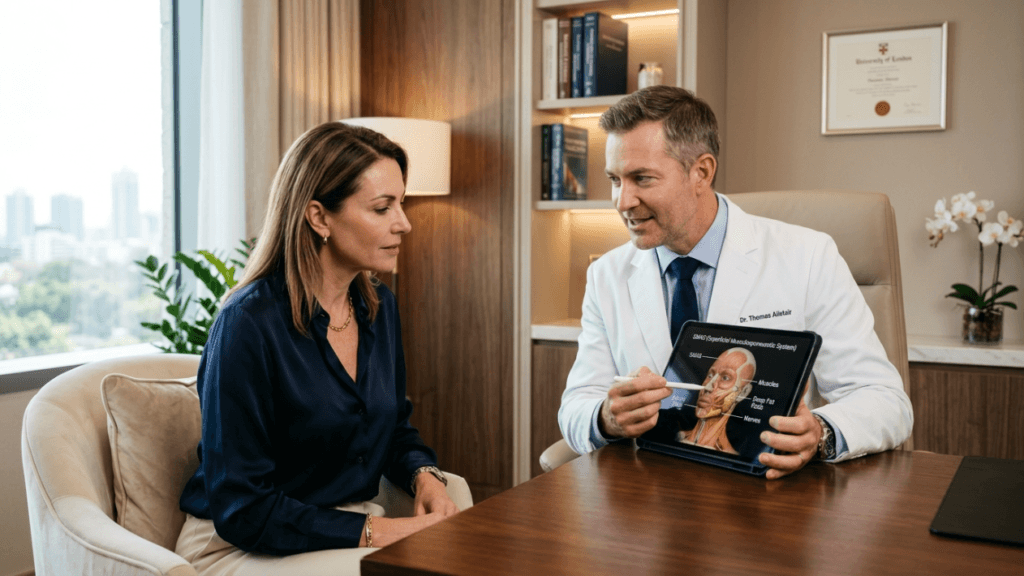
Paquete de Longevidad de Lifting Facial de SURGYTEAM: donde la cirugía de envejecimiento biológico se encuentra con la experiencia especializada
La ejecución de las tres intervenciones — terapia senolítica, aumento de injerto de grasa intraoperatorio y estimulación de colágeno postoperatorio — requiere un equipo quirúrgico con amplia experiencia tanto en la mecánica del envejecimiento facial como en la biología de la cicatrización tisular. Los Dres. Mert Meral y Berat Çiğdem de SURGYTEAM ofrecen actualmente el protocolo de 3 intervenciones como un paquete combinado de Longevidad del Lifting Facial. Ambos cirujanos poseen certificación FEBOPRAS y se centran exclusivamente en cirugía de rejuvenecimiento facial. Esto es enormemente importante.
Por qué la experiencia de un especialista en doble lifting facial cambia los resultados
La mayoría de las clínicas asignan a un cirujano generalista único a cada procedimiento — el mismo profesional realiza BBL los martes, rinoplastías los miércoles y liftings los jueves. La cirugía del envejecimiento biológico exige especialización. El Dr. Mert Meral y el Dr. Berat Çiğdem se concentran en la anatomía facial todos los días. Entienden la capa SMAS a nivel celular. Saben cómo varía el descenso de la almohadilla de grasa según el subtipo anatómico. Reconocen qué pacientes necesitan un injerto de grasa más agresivo y cuáles requieren una preparación senolítica más prolongada. Esta profundidad de experiencia enfocada se traduce directamente en una mayor longevidad del lifting. Explore nuestras opciones de cirugía estética en Turquía para comprender todo el alcance de nuestro modelo especializado.
SURGYTEAM limita el Paquete de Longevidad de Lifting a 6 pacientes por trimestre. Esta limitación existe porque el protocolo requiere una coordinación preoperatoria significativa, precisión intraoperatoria y seguimiento postoperatorio que supera la atención estándar de lifting. Cada paciente recibe dosificación senolítica individualizada, volúmenes de injerto de grasa a medida y un programa de estimulación de colágeno personalizado basado en sus marcadores de edad biológica.
Tu plan de acción para la longevidad del lifting facial: paso a paso
Entender la fecha de expiración del lifting no sirve de nada sin un plan de acción concreto. Sigue estos pasos para asegurar que tu inversión quirúrgica perdure. Cada paso aborda directamente uno de los tres aceleradores biológicos que acortan tu resultado después de los 50.
- Evalúa tu edad biológica, no tu edad cronológica. Solicita un panel de marcadores de senescencia — que incluya la expresión de p16INK4a y citocinas inflamatorias circulantes — antes de cualquier planificación quirúrgica. Tu fecha de expiración del lifting depende de la edad celular, no de la fecha en tu pasaporte.
- Inicia la terapia senolítica 4 semanas antes de la fecha de tu cirugía. Trabaja con tu cirujano para establecer un protocolo de dasatinib más quercetina. Elimina las células senescentes del SMAS para que la cicatrización comience desde una base más fuerte.
- Exige el aumento de injerto de grasa intraoperatorio como estándar. No acepte un lifting que solo reposicione tejido sin restaurar el volumen perdido del colchón de grasa. El amortiguador estructural de la transferencia de micrograsa es la diferencia entre resultados a 5 años y a 10 años.
- Programe su primera sesión de microneedling RF más PRP a los 3 meses postoperatorios. La estimulación temprana de colágeno captura la ventana de curación postquirúrgica cuando los fibroblastos aún están activos, forzando la producción de colágeno tipo I antes de que la degradación del colágeno gane impulso.
- Comprométase con sesiones de mantenimiento trimestrales durante los primeros 18 meses. La fecha de expiración del lifting se extiende mediante una estimulación constante del colágeno, no con tratamientos puntuales. Cada sesión añade resistencia tensil incremental al SMAS y al tejido superpuesto.
- Elija cirujanos especialistas duales en lugar de practicantes generalistas. Su rostro merece cirujanos que comprendan la biología del envejecimiento facial todos los días, no una vez a la semana. Los doctores Mert Meral y Berat Çiğdem de SURGYTEAM aportan experiencia certificada por FEBOPRAS, exclusiva para la cara, a cada caso.
- Asegure ahora su consulta del Paquete de Longevidad de Lifting. El protocolo acepta solo 6 pacientes por trimestre. Esperar significa que su biología sigue avanzando mientras los cupos disponibles desaparecen.
Detén el reloj: tu lifting facial no tiene que expirar pronto
La fecha de expiración del lifting es real, medible y devastadora para pacientes mayores de 50 años que reciben cuidados estándar de lifting sin intervención biológica. La senescencia del SMAS, la degradación del colágeno y el descenso del colchón de grasa conspiran para reducir la longevidad quirúrgica a una fracción de lo que disfrutan los pacientes más jóvenes. Pero las tres intervenciones descritas aquí — terapia senolítica, aumento con injerto de grasa y estimulación de colágeno — reescriben esa línea de tiempo. Extienden la fecha de expiración del lifting en un promedio de 7 años. Transforman un resultado de 4 años en uno de 11 años.
El Paquete de Longevidad de Lifting de SURGYTEAM, diseñado por los doctores Mert Meral y Berat Çiğdem, ofrece las tres intervenciones como un protocolo coordinado. Limitado a 6 pacientes por trimestre. Respaldado por experiencia quirúrgica certificada por FEBOPRAS, exclusiva para la cara. Se brinda en una instalación de última generación en Antalya, con atención integral paquetes quirúrgicos todo incluido que cubren traslados VIP, recuperación en hotel de lujo y coordinación multilingüe del paciente.
Programe su Consulta de Longevidad de Lifting con SURGYTEAM y descubra exactamente dónde se encuentra la fecha de expiración de su lifting, y cómo moverla.
¿Cuál es la fecha de expiración del lifting facial?
La fecha de expiración del lifting es el punto en el que su resultado quirúrgico se degrada al 50% de su corrección inicial. Para pacientes mayores de 50 años, esto típicamente ocurre dentro de 4-5 años sin intervenciones biológicas, comparado con 10-12 años para pacientes más jóvenes.
¿Por qué la longevidad del lifting facial disminuye después de los 50 años?
Después de los 50, la senescencia del SMAS se acelera, el entrecruzamiento del colágeno se degrada 40% más rápido, y el descenso del colchón de grasa ocurre a 3 veces la velocidad observada en pacientes más jóvenes. La senescencia celular en el tejido facial aumenta dramáticamente, debilitando la capa estructural que sostiene el reposicionamiento quirúrgico.
¿Cómo mejora la terapia senolítica los resultados del lifting facial?
La terapia senolítica elimina las células senescentes de la capa SMAS antes de la cirugía, reduciendo la carga inflamatoria y mejorando la cicatrización de heridas en 28%. Los estudios demuestran que aumenta la producción postoperatoria de colágeno tipo I en aproximadamente 30%, fortaleciendo el tejido que su cirujano sutura.
¿Por qué es importante la transferencia de micrograsa durante un lifting facial?
La transferencia de micrograsa restaura el volumen perdido del colchón de grasa profunda, creando un amortiguador estructural que soporta físicamente el SMAS reposicionado. Este amortiguador retrasa el re-descenso del colchón de grasa por años, abordando la causa raíz de la recurrencia temprana de la línea de la mandíbula después de la cirugía en pacientes mayores de 50 años.
¿Cuándo debo comenzar el microneedling RF y el PRP después de un lifting facial?
Inicie el protocolo de estimulación de colágeno en el mes 3 postoperatorio. Este momento captura la ventana de curación postquirúrgica cuando los fibroblastos permanecen activos, maximizando la producción de colágeno tipo I antes de que la degradación de colágeno relacionada con la edad se acelere.
¿Cuánto más dura un lifting facial con el protocolo de 3 intervenciones?
El protocolo combinado de 3 intervenciones extiende la longevidad del lifting facial en un promedio de 7 años. Los pacientes que normalmente verían un resultado de 4 años pueden esperar aproximadamente 11 años de corrección efectiva, comparable a los resultados en pacientes una década más jóvenes.
¿Quién ofrece el Paquete de Longevidad de Lifting Facial en SURGYTEAM?
El Dr. Mert Meral y el Dr. Berat Çiğdem, ambos especialistas en rejuvenecimiento facial certificados por FEBOPRAS, ofrecen el Paquete de Longevidad de Lifting de 3 Intervenciones. El protocolo está limitado a 6 pacientes por trimestre debido a la intensa coordinación preoperatoria y postoperatoria requerida.
¿Puedo tomar compuestos senolíticos por mi cuenta antes de la cirugía?
No. La terapia senolítica requiere supervisión médica y dosificación individualizada basada en sus marcadores de edad biológica y perfil de salud. La autoadministración conlleva riesgos de sobrelimpieza, interacciones con agentes anestésicos y sincronización subóptima respecto a la fecha de su cirugía.