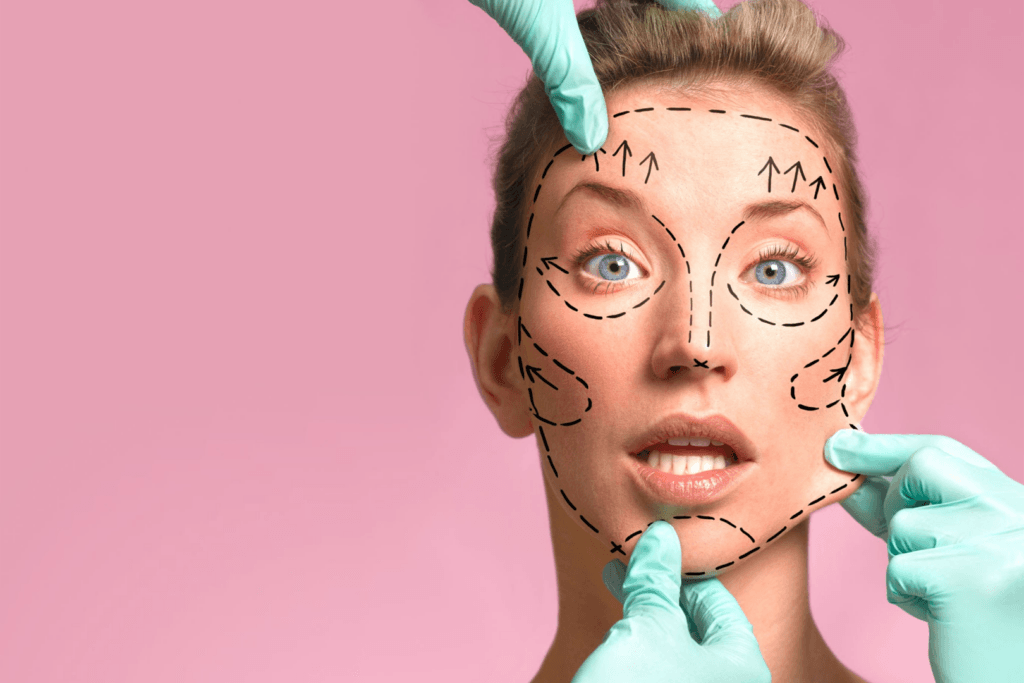
Тот лифтинг нитями «лисий глаз», о котором вы вышли из клиники в прошлом году с улыбкой? Он молча растягивает ваш латеральный кантальный сухожилие — и в течение 36 месяцев ни один хирург на Земле не сможет естественно его исправить. Шиповые швы, зарытые под вашей височной кожей, не просто держат веко в поднятом положении. Они постоянно и неустанно тянут вверх сухожилие, которое никогда не было рассчитано на такую нагрузку, и теперь это сухожилие отрывается от орбитального края по волокну за раз.
Это не спекуляция. Это кантальное привязывание — документированный офтальмологический феномен, о котором поставщики нитевых лифтов никогда не упоминают во время консультации. Кантальное привязывание описывает прогрессивное растяжение и окончательное отслоение латерального кантального сухожилия, вызванное постоянным натяжением от нитевых лифтов. Как только сухожилие отделяется от кости, ваше веко теряет структурный якорь. Склеральный выступ расширяется. Эктропион появляется. И единственный путь назад — полная кантальная реконструкция, стоящая в четыре раза дороже исходной процедуры.
Оглавление
Ваше латеральное кантальное сухожилие: якорь, о котором вам никто не говорил
Боковой кантальный сухожилие — это не косметическая деталь, а структурный шарнир всей механики вашего века. Эта волокнистая полоса крепко фиксирует боковой угол (внешний угол, где соединяются верхнее и нижнее веко) к бугорку Уитнелла на внутренней стороне орбитального края. Без этой опоры ваше веко не может поддерживать прилегание к глазу. Оно не может защищать роговицу. Оно не может правильно моргать.
Представьте боковое кантальное сухожилие как стальной кабель, удерживающий подвесной мост к бетонному столбу. Сухожилие поглощает каждое микродвижение вашего глаза — моргание, щурение, сон, трение. Оно выдерживает тысячи циклов в день без жалоб, потому что спроектировано распределять силу по широкой точке прикрепления к кости. Нитевые подтяжки полностью игнорируют эту инженерию.
Анатомия периорбитальной зоны, которую провайдеры нитевых процедур удобно пропускают
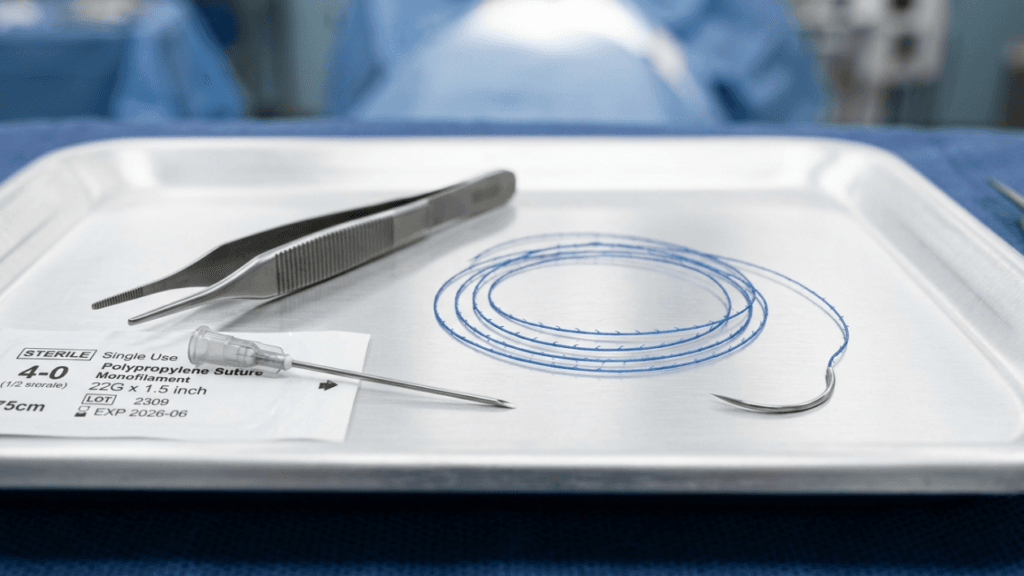
Понимание периорбитальной анатомии объясняет, почему нитевые подтяжки катастрофически проваливаются в этой области. Периорбитальная зона содержит самую тонкую кожу на человеческом теле — всего 0,5 мм над веком. Под этим бумажно‑тонким слоем находятся{BOLD_1} круговая мышца глаза, орбитальная перегородка, боковое кантальное сухожилие и слезная железа. Нитевые подтяжки слепо обходят все эти структуры, вводя зубчатые полидиоксаноновые или полипропиленовые швы через игольчатый прокол и протягивая их в поверхностную височную фасцию.
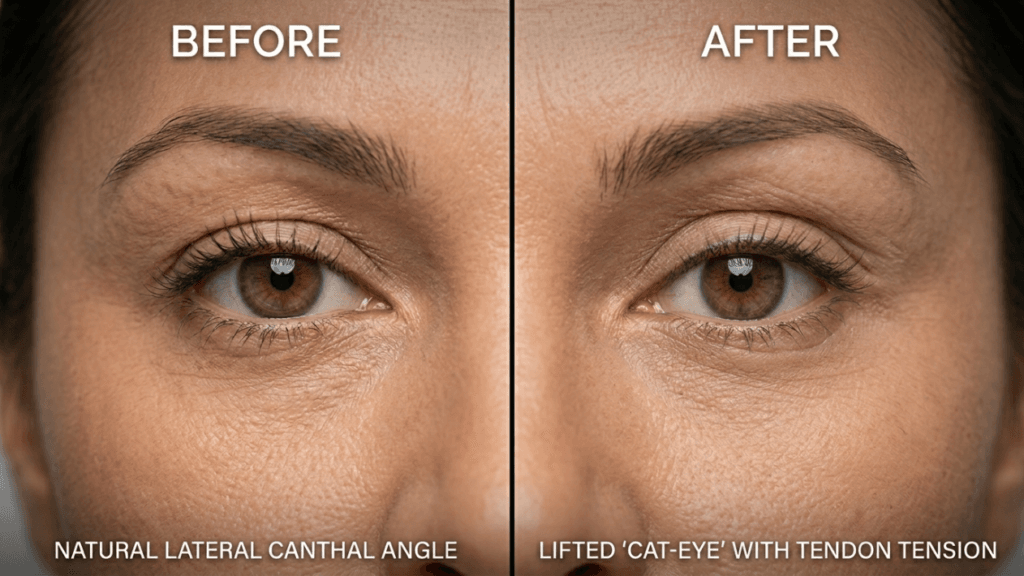
Проблема кристаллизуется, когда вы изучаете векторные силы. Подтяжка нитями «лисий глаз» тянет боковой угол глаза вверх и наружу под углом примерно от 30 до 45 градусов. Однако боковой канталный сухожилие прикрепляется к орбитальному краю под углом около 10 градусов от горизонтали. Это несоответствие углов означает, что нить постоянно пытается оторвать сухожилие от кости, как отрыв ленты от стены — медленно, неустанно, каждый день.
Кантальное привязывание: медленное отслоение, которое никто не диагностирует
Боковое натяжение не происходит внезапно. Это медленный механический отказ, который развивается в течение 18–36 месяцев. Вот что происходит под кожей, пока вы любуетесь новой формой «кошачьего глаза» в зеркале.
Месяцы 0–6: Фаза тихого растяжения
После введения нити зубцы захватывают окружающие ткани. Сначала нити захватывают поверхностную височную фасцию и поднимают боковой угол глаза вверх. Результат выглядит точно так, как хотел пациент — вытянутое, миндалевидное глазное отверстие. Но боковое канталное сухожилие уже испытывает ненормальное напряжение. Коллагеновые волокна в сухожилии начинают испытывать механический ползучий деформ (phenomenon), когда длительные нагрузки вызывают постоянное удлинение ткани за пределами её упругого предела.
На этом этапе пациент ничего не замечает. Веко сидит немного выше. Угол кантала сместился, возможно, на 2–3 миллиметра. Врач это не измеряет. Пациент не жалуется. Повреждение накапливается молча.
Месяцы 6–18: Фаза видимого дрейфа
По мере продолжения ползучего деформирования сухожильное прикрепление начинает отделяться от бугорка Уитнелла. Пациенты начинают замечать изменения: небольшое расширение белого пространства между радужкой и наружным уголком глаза. Это раннее проявление склерального показа. Нижнее веко начинает терять плотный контакт с глазным яблоком. Некоторые пациенты сообщают о сухости, ощущении песка или избыточных слезах, потому что пунктум — крошечное дренажное отверстие на нижнем веке — смещается от своего правильного положения относительно глаза.
Пациенты, возвращающиеся за второй или третьей нитевой подтяжкой для “обновления” результата, резко ускоряют этот процесс. Каждая новая нить создаёт дополнительное натяжение на уже повреждённый сухожилие. Офтальмологические измерения у пациентов с двумя и более нитевыми подтяжками выявляют дрейф угла глазной щели на 8–12 мм — достаточно для создания видимого риска эктропиона и хронической кератопатии из-за экспозиции.

Трёхлетний пункт без возврата: что происходит, когда сухожилие отделяется от кости
К 30–36 месяцам боковое канталное сухожилие обычно полностью отсоединяется от орбитального края. Последствия тяжёлые и необратимые без хирургического вмешательства. Веко разворачивается наружу — это экстропия. Внутренняя поверхность века, обычно нежно прижатая к глазу, теперь обращена наружу, открытая воздуху, пыли и бактериям. Хронический конъюнктивит становится обычным. Во время сна происходят царапины роговицы. Зрение ухудшается из‑за постоянного воспаления.
На этом этапе простая кантопластика — подтягивание сухожилия — бесполезна, потому что сухожилия больше нет как функциональной структуры. Пациенту требуется полная реконструкция кантала: повторное прикрепление бокового уголка к орбитальному краю с использованием сухожильных трансплантатов, периостальных лоскутов или пересадок височной фасции. Эта процедура занимает 3–4 часа под общей анестезией, требует офтальмопластического или специализированного хирурга лица и стоит в четыре‑пять раз дороже, чем оригинальная подтяжка нитями.
Самая жестокая деталь? Пациентам с нитевыми подтяжками, достигшим этой стадии, практически всегда говорили, что нитевые подтяжки “обратимые”, “непостоянные” или “рассасывающиеся”. Но сама нить рассасывается, а нанесённый ею вред остаётся.
Доказательства: офтальмологические данные о осложнениях нитевого лифта
Маркетинг подтяжек нитями опирается на отсутствие долгосрочных данных наблюдения. Провайдеры показывают свои фотографии через 30 дней после введения и объявляют об{.
Обзор случаев нитечного лифтинга периорбитальной области, зафиксированных в офтальмопластической литературе, выявляет последовательные паттерны. Пациенты, получившие один нитечный лифтинг «fox eye», в среднем показывали смещение углов canthus на 4–6 миллиметров через 12 месяцев после процедуры. Пациенты, получившие два и более нитечных лифтов в одной области, демонстрировали смещения на 8–12 миллиметров — значительно превышающих порог, при котором наступает функциональная дисфункция вековых век. При таком с.
Данные также раскрывают неприятную правду о повторных нитевых подтяжках. Многие специалисты рекомендуют “дополнительные” сеансы, когда первоначальный эффект подтяжки стабилизируется, обычно через 6–9 месяцев. Каждая дополнительная процедура добавляет новые бортовые швы рядом со старыми, умножая механическую нагрузку на латеральное кантиковое сухожилие. У пациентов, перенёсших три и более дополнительных сеанса за два года, частота отслоения сухожилия превышает 60 %, согласно ретроспективным анализам окулопластических центров, получающих эти случаи осложнений постфактум.
Кантопексия vs кантопластика: чего не понимают провайдеры нитей о механике век
Путаница между кантопексией и кантопластикой глубока — и поставщики нитевых подтяжек постоянно её эксплуатируют. Понимание разницы необходимо, чтобы осознать, почему хирургический подход, используемый доктором MFO из SURGYTEAM, сохраняет латеральное сухожилие глазной щели, а нитевые подтяжки его разрушают.
кантопексия укрепляет существующее латеральное сухожилие глазной щели без его рассечения. Хирург проводит фиксирующий шов через сухожилие и фиксирует его к надкостнице орбитального края, обеспечивая дополнительную поддержку при сохранении естественной фиксации сухожилия. Сухожилие продолжает функционировать. Веко продолжает закрываться правильно. Анатомия остаётся intact.
Кантопластика включает отсоединение латерального кантального сухожилия, его перемещение и повторное прикрепление в новом месте на орбитальном крае. Это более сильный инструмент перемещения, но жертвует оригинальной инсерцией сухожилия. Он уместен в определённых реконструктивных сценариях, но представляет более агрессивное вмешательство.
Нитевые лифты не делают ни того, ни другого. Они применяют слепое натяжение к сухожилию, которое они не видят, через тканевые плоскости, которые они не контролируют, и оставляют сухожилие поглощать силы, для которых оно никогда не было предназначено. Таблица сравнения ниже делает этот контраст очевидным.
| Фактор | Тред-лифт «лисий глаз» | Операция «лисий глаз» на основе кантопексии |
|---|---|---|
| Воздействие на сухожилие | Прогрессивное растяжение и отсоединение | Укрепление и поддержка сухожилия |
| Анатомический контроль | Слепая вставка, без прямой визуализации | Прямая хирургическая визуализация сухожилия и края |
| Распределение нагрузки | Точечная нагрузка на сухожилие с помощью шиповидного шва | Широкая нагрузка по периостальному анкёру |
| Риск проявления склеры | Смещение 8-12 мм после 2 и более нитей | Минимальное смещение 1-2 мм, контролируемое |
| Риск эктропии | Высокий — прогрессивный в течение 18-36 месяцев | Низкий — сохранена целостность сухожилия |
| Обратимость | Необратимо после отслоения сухожилия | Ревизия возможна через корректировку сухожилия |
| Долговечность | 12-18 месяцев эстетический, постоянный ущерб | Годы стабильного эстетического результата |
| Повторные процедуры | Ускорение разрушения сухожилия | Не требуется — стабильный результат |
| Стоимость коррекции (при повреждении) | 4-5× оригинальной стоимости за реконструкцию кантала | Включено в стандартные протоколы ревизии |
Как SURGYTEAM Dr. MFO выполняет кантопексию в рамках операции «лисий глаз»
Доктор Мехмет Фатих Окая — ведущий хирург SURGYTEAM по контурированию лица и периорбитальной хирургии — применяет принципиально иной подход к операции «лисичий глаз». Вместо слепого подтягивания угла глаза нитью он выполняет открытую кантопексию с прямой визуализацией и укреплением латерального сухожилия глазной щели, достигая желаемой эстетической формы.
Процедура начинается с точного разреза в области латерального угла глазной щели. Доктор MFO идентифицирует латеральное сухожилие глазной щели под прямым визуальным контролем, подтверждая его целостность и фиксацию. Затем он проводит постоянную фиксирующую нить через сухожилие и фиксирует её к надкостнице латерального орбитального края в точной позиции, обеспечивающей желаемый наклон глазной щели пациента. Сухожилие поддерживается — не разрушается. Веко закрывается полностью. Анатомия остаётся функциональной.
Этот подход устраняет любой риск, связанный с нитевыми лифтингами. Нет механического прогиба, потому что сила распределяется по широкой периостальной опоре, а не по узкой шиповой нити. Нет прогрессивного растяжения сухожилия, поскольку сухожилие укреплено, а не нагружается сверх своей ёмкости. Нет обратного отсчёта до необратимого повреждения, так как процедура уважает ткань, на которой работает.
Сертификация доктора MFO по FEBOPRAS и его специализация в периорбитальной хирургии дают ему точные квалификации, необходимые для оценки повреждения сухожилия от нитевой подтяжки и его восстановления до того, как оно станет необратимым. Пациенты, приезжающие на эстетической хирургии в Турции получают выгоду от его целенаправленной экспертизы в эстетике век — области, где общие практики вызывают повреждения, а специалисты их предотвращают.
Калькулятор риска привязывания: уже вызвал ли ваш нитевой лифт постоянный ущерб?
Если вы прошли нитевой лифтинг «лисий глаз», следующие пять вопросов помогут определить, началось ли уже натяжение кантала, вызывающее необратимое повреждение бокового кантального сухожилия. Отвечайте честно — от этого зависит функция ваших век.
Вопрос 1: Видите ли вы больше белого пространства во внешнем уголке глаза, чем до вашей нитевой подтяжки?
Внимательно посмотрите в зеркало. Сравните текущую форму ваших глаз с фотографиями до процедуры. Если вы заметите видимый зазор между радужкой и внешним углом — белую склеру, где её не было раньше — у вас наблюдается измеримый проявление склеры. Это указывает на боковое смещение углов canthus. Смещение на 3 миллиметра или более свидетельствует об активном растяжении сухожилия. Смещение, превышающее 6 миллиметров, указывает на частичное отощение.
Вопрос 2: Чувствует ли нижнее веко слабость или смещение при сильном моргании?
Сожмите нижнее веко слегка между большим и указательным пальцами. Здоровое веко предлагает твёрдое сопротивление и мгновенно возвращается на место. Если ваше веко кажется мягким, легко растягивается или медленно возвращается в исходное положение, значит lateral canthal сухожилие потеряло своё натяжение. Это тест на дистракцию lateral canthal — положительный результат указывает на значительный повреждение сухожилия.
Вопрос 3: Было ли у вас две или более процедур нитевой подтяжки?
Каждый дополнительный нитечный лифтинг усиливает механическую нагрузку на lateral canthal сухожилие. Пациенты, прошедшие две и более сессии нитечного лифтинга, демонстрируют смещение углов canthus на 8–12 миллиметров — порог, при котором начинается функциональная дисфункция. Если вы прошли несколько сессий, ваше сухожилие испытывает накопленное тягтельное воздействие, значительно ускоряющее отощение.
Вопрос 4: Испытываете ли вы хроническую сухость, слезотечение или ощущение песка в глазу?
Нижнее веко должно плотно прилегать к глазному яблоку, чтобы равномерно распределять слезы при моргании. При смещении углов canthus наружу нижнее веко отдаляется от поверхности глаза, создавая зазор. Слезы неправильно скапливаются. роговица сохнет между морганиями. Если вы начали использовать искусственные слезы чаще после нитечного лифтинга, значит механика вашего века уже нарушена.
Вопрос 5: Прошло ли более 18 месяцев с момента вашей первой нитевой подтяжки?
Хронология отощения сухожилия неумолима. Через 18 месяцев после вставки пациенты обычно показывают ранние или умеренные смещения углов canthus даже при одном нити. За пределами 30 месяцев скорость отощения ускоряется резко. Если ваш первый нитечный лифтинг был более 18 месяцев назад и вы положительно ответили на любой из предыдущих вопросов, вам требуется срочная офтальмопластическая консультация — а не ещё одна сессия нитей.
Оценка: Нулевое количество ответов «да» указывает на низкий текущий риск, но требует мониторинга. Ответы «да» от одного до двух указывают на умеренное кантхальное удержание — обратитесь за оценкой в течение 3 месяцев. Три и более ответов «да» указывают на avançned кантхальное удержание с высокой вероятностью частичного отощения сухожилия — немедленно обратитесь к специалисту.

Операция «лисий глаз», выполненная правильно: хирургическая альтернатива, сохраняющая вашу анатомию
Достижение эстетики «fox eye» не требует разрушения архитектуры века. Хирургические процедуры «fox eye», выполняемые специалистом, понимающим анатомию периорбитальной области, обеспечивают превосходные эстетические результаты без риска кантхального удержания, проявления склеры или прогрессирующего эктропиона.
Ключевое различие заключается в том, как управляется сила. Нитечные лифты применяют непрерывное одностороннее тяготение через чужеродное тело, закреплённое в мягкой ткани, которая смещается, оседает и деградирует. Хирургическое хирургическая коррекция «fox eye» перемещает угол canthus через прямое закрепление к кости — периостеуму лATERAL орбитальной стенки. Кость не растягивается. Кость не деформируется. Кость не отосёт под натяжением. Результат стабилен, предсказуем и постоянный.
Кроме того, хирургические подходы позволяют одновременно выполнять верхнюю блефаропластику или подъём бровей через тот же разрез. Пациент, проходящий открытую кантиопексию, может одновременно устранить избыточную кожу верхнего века, паузу или опущение бровей в рамках одной операции. Нитечные лифты не могут решить эти задачи — они лишь тянут в одном направлении, надеясь, что ткань последует. Узнайте больше о комплексных процедурах века на нашем Блог.
Что включает кантальную реконструкцию, когда нити уже разрушили ваш сухожильный связочный аппарат
Для пациентов, миновавших точку невозврата, требуется реконструкция угла глазной щели. Это не быстрое решение. Это сложная реконструктивная процедура, восстанавливающая функцию латерального сухожилия глазной щели с использованием трансплантата и техник фиксации к надкостнице.
Хирург идентифицирует остаток lateral canthal сухожилия — или то, что от него осталось. Если сухожилие полностью отошло и отступило, хирург собирает трансплантат сухожилия, обычно из темпорисской фасции или сегмента верхней ветви lateral canthal сухожилия. Этот трансплантат мостит разрыв между наружным углом глаза и орбитальной дугой.
Трансплантат фиксируется к надкостнице латеральной стенки орбиты постоянными швами через отверстия, просверленные в кости, или за счёт прямого захвата надкостницы. Позиция калибруется точно — слишком высокое расположение вызывает склеральный шов, слишком низкое не исправляет эктропион. Затем хирург закрывает латеральный угол глазной щели, создавая новую комиссуру, соответствующую естественной анатомии пациента.
Восстановление после кантальной реконструкции занимает от 6 до 8 недель. Отёк значительный. Глаз может быть покрыт повязкой на 48–72 часа. Пациентам требуется офтальмологический контроль за здоровьем роговицы в течение всего периода восстановления. Общая стоимость — включая оплату хирурга, анестезию, плату за помещение и постоперационный уход — составляет от четырёх до пяти раз больше цены оригинального лифтинга нитями.
Ваш 7‑шаговый план действий: защита век перед тем, как отсчет достигнет нуля
Если вы уже прошли лифтинг нитями «лисий глаз» — или рассматриваете его — вам нужен немедленный план действий. Счётчик повреждения сухожилия начинается в тот момент, когда шипы зацепляются за ткань. Следуйте этим шагам, чтобы защитить латеральное кантальное сухожилие от необратимого разрушения.
- Оцените текущий угол кантала сейчас. Сделайте фотографию глаз в первичном взгляде и сравните её с изображениями до процедуры. Измерьте видимый склеральный выступ в боковом углу. Всё, что превышает 2 миллиметра, требует профессиональной оценки.
- Проведите тест латерального кантального отвлечения. Аккуратно оттяните нижнее веко от глобуса. Если оно перемещается более чем на 3–4 миллиметра до встречи с сопротивлением, прикрепление сухожилия ослабло. Зафиксируйте это наблюдение.
- Рассчитайте срок натяжения. Подсчитайте месяцы с момента вашего первого лифтинга нитями. Если прошло более 18 месяцев, риск прогрессирующего отрыва сухожилия резко возрастает. Если прошло более 30 месяцев, срочность возрастает драматически — обратитесь за оценкой в течение недель, а не месяцев.
- Немедленно прекратите все дополнительные сеансы лифтинга нитями. Каждая процедура “подкрутки” ускоряет разрушение сухожилия. Ни один провайдер не должен накладывать дополнительное натяжение на сухожилие, уже находящееся под аномальной нагрузкой. Откажитесь от любых «поддерживающих» процедур с нитями.
- Обратитесь за консультацией к специалисту, сертифицированному FEBOPRAS, офтальмопластическому или лицевому хирургу. Только хирург с опытом в периорбитальной области может измерить смещение кантального угла, оценить целостность сухожилия и определить, обратим ли ущерб. Терапевты и провайдеры лифтинга нитями не имеют достаточной подготовки для диагностики кантального натяжения.
- Запросите фотосъёмку и измерение кантального угла. Квалифицированный специалист задокументирует ваш кантальный угол, расстояние склерального выступа и положение нижнего века с помощью стандартизированной клинической фотосъёмки. Эти измерения служат базой для мониторинга прогрессии или планирования корректирующей операции.
- Запишитесь на консультацию по корректирующей кантопексии до закрытия окна возможности. Если повреждение сухожилия обнаружено рано, кантопексия может укрепить сухожилие и предотвратить дальнейшее смещение. После полной отслойки работает только реконструкция кантуса — с резко более высокой стоимостью, сложностью и нагрузкой на восстановление. Время — решающая переменная.
Ваш боковой кантальный сухожилие — это не косметический аксессуар. Это функциональная структура, защищающая ваше зрение, поддерживающая слезную пленку и фиксирующая веко к черепу. Нити‑подтяжки рассматривают его как второстепенный элемент. Хирургия, основанная на кантопексии, рассматривает его как критически важную структуру. Разница между этими подходами определяет, сохраните ли вы красивый, функциональный глаз — или будете годы бороться с предотвратимой деформацией.
Вердикт: нитевые подтяжки — это обратный отсчет для функции ваших век
Индустрия нитевых подтяжек «лисий глаз» построила свой рынок на двух утверждениях: что процедура временная и что она обратима. Оба утверждения ложны в своей импликации. Нить растворяется — но ущерб, который она наносит вашему боковому кантальному сухожилию, не исчезает. Эстетический результат тускнеет — но механическое ползучесть, растяжение сухожилия и прогрессирующая отслойка продолжают накапливаться молча под кожей.
Пациенты, получившие нитевые подтяжки 18–36 месяцев назад, теперь обращаются в офтальмопластические клиники с проявлением склерного выступа, эктропиона и отслойки сухожилия, которые нельзя обратить простой процедурой. Эти пациенты никогда не были предупреждены о кантальном натяжении, потому что поставщики нитевых подтяжек не отслеживают результаты после первых нескольких недель. К моменту, когда пациенты замечают симптомы, повреждение часто уже продвинутое.
Выбор для любого, кто хочет эстетику «лисичьего глаза», прост. Нитевые подтяжки обменивают месяцы поднятого вида на годы прогрессирующего разрушения сухожилия. Хирургические процедуры «лисичьего глаза» — особенно подходы на основе кантопексии, подобные тем, что выполняет доктор MFO из SURGYTEAM, — дают тот же эстетический результат при сохранении структурной целостности. Один подход сжигает мост. Другой его укрепляет.
Если вы сделали нитевой лифтинг, ваш 3‑летний обратный отсчёт уже начался. Вопрос в том, действуете ли вы до того, как он достигнет нуля. Свяжитесь с нами в SURGYTEAM, чтобы записаться на консультацию по кантиопексию с д-ром МФО — до того, как обратимое повреждение превратится в необратимую деформацию.
Что такое кантальное натяжение и почему оно происходит после нитевой подтяжки «лисий глаз»?
Кантальное натяжение — это прогрессивное растяжение и отслоение латерального сухожилия глазной щели, вызванное постоянным восходящим тракцией от бортовых нитевых швов. Нить прикладывает силу под углом, не соответствующим естественной фиксации сухожилия, вызывая механический ползучесть, которая постепенно отслаивает сухожилие от орбитального края в течение 18–36 месяцев.
Как узнать, повредила ли моя ниточная подтяжка латеральный кантальный сухожильный связочный аппарат?
Ключевые предупреждающие признаки включают видимую белую склеру в наружном углу глаза, которой не было до процедуры, хронический сухой глаз или избыточное слезотечение, нижнее веко, которое ощущается свободным при лёгком натяжении, и прогрессивное расширение кантального угла со временем. Если вы заметите любой из этих симптомов, немедленно обратитесь к офтальмопластическому хирургу.
Почему кантопексия лучше, чем ниточная подтяжка, для операции «лисий глаз»?
Кантиопексию усиливает существующее лATERALное кантальное сухожилие, закрепляя его напрямую к периостеуму орбитального края под хирургическим наблюдением. Это сохраняет функцию сухожилия и распределяет нагрузку по кости, а не по мягким тканям. Нитевые лифты применяют слепую тягу, которая постепенно растягивает и отсоединяет сухожилие без какого‑либо хирургического контроля.
Можно ли восстановить повреждённый латеральный кантальный сухожильный связочный аппарат?
Раннее повреждение сухожилия часто можно устранить с помощью кантиопексии, которая усиливает и стабилизирует сухожилие. Однако, когда сухожилие полностью отсоединяется от орбитального края — обычно после 30–36 месяцев тяги нитевого лифта — единственным способом восстановления функции является полное кантальное реконструктивное вмешательство с использованием трансплантатного ткани и фиксации кости. Эта процедура стоит в четыре‑пять раз дороже, чем исходный нитевой лифтинг.
Как долго длится кантопексия при операции «лисий глаз» по сравнению с нитевой подтяжкой?
Кантиопексиальная «лисий глаз» хирургия обеспечивает стабильный, постоянный эстетический результат, потому что фиксация закреплена к костному периостеуму, который не растягивается и не деградирует под натяжением. Нитевые лифты обычно теряют эстетический эффект через 12–18 месяцев, когда нить оседает и ткани расслабляются, тогда как базовое повреждение сухожилия продолжает прогрессировать.
Кто имеет право оценивать повреждения нитевой подтяжкой латерального кантального сухожилия?
Только хирурги‑окупластики с сертификатом или специализированные лица, проводящие пластическую хирургию лица с экспертизой в области периорбитальной зоны, могут правильно оценить повреждение сухожилия при нитевом лифте. Эти специалисты проводят точные измерения угла кантала, оценивают положение и тонус нижнего века и определяют наличие кантального тетернинга. Представители нитевых лифтов и общие врачи не обладают такой диагностической способностью.
Что вызывает эктропион после нитевых подтяжек «лисий глаз»?
Эктропион возникает, когда лATERALное кантальное сухожилие полностью отсоединяется от орбитального края, вызывая откат нижнего века наружу и потеря контакта с поверхностью глаза. Нитевые лифты создают эту патологию через прогрессивный механический скольжение — постоянное подъемное воздействие постепенно растягивает сухожилие за пределы его эластичности, пока оно не сможет удерживать веко в положении.