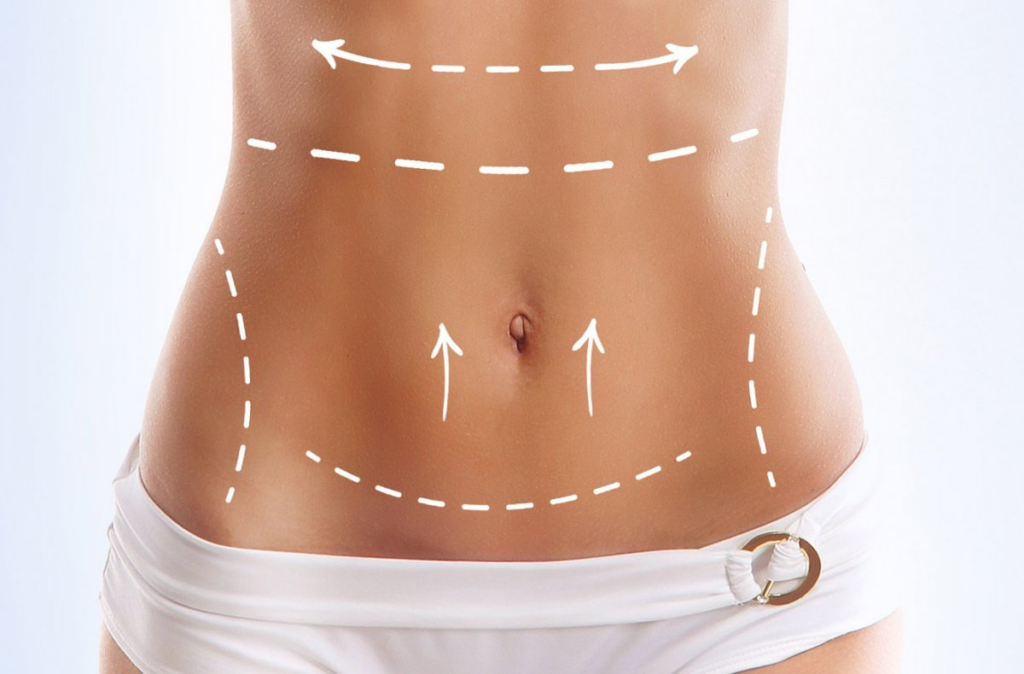
Один из трёх пациентов после абдоминопластики всё ещё выглядит беременным через шесть месяцев после операции — не потому, что их хирург был некомпетентен, а потому, что никто не проверил, способны ли их мышцы кора действительно удержать ремонт. Этот выпуклость над пупком не является набором веса и не связана с плохой послеоперационной дисциплиной. Это структурный коллапс восстановления диастаза прямых мышц, помещённый под мышечное напряжение, которое ваш хирург никогда не измерял перед первым разрезом.
Вы заплатили за плоский живот. Вместо этого вы получили хирургический ремонт, построенный на непроверенной основе. Неудача вашей абдоминопластики началась ещё до того, как вы вошли в операционную, потому что ваш хирург пропустил единственный тест, предсказывающий, сможет ли ваша стабильность кора выдержать ремонт оболочки прямых мышц под реальным давлением. Вот доказательства этой неудачи — и пятибалльная функциональная оценка, которая могла её предотвратить.
Оглавление
Почему стабильность кора определяет успех или провал абдоминопластики
Большинство хирургов оценивают диастаз прямых мышц так же, как делали это десятилетиями: они измеряют зазор между вашими прямыми мышцами живота, пока вы лежите ровно и расслабленно на осмотрительном столе. Этот зазор — обычно два‑три ширины пальца при значительной диастазе — подсказывает им, сколько пликации мышцы необходимо выполнить. Что он никогда не раскрывает, так это то, обладают ли эти мышцы функциональной выносливостью и нейромышечным контролем, чтобы поддерживать ремонт, когда вы встанете, кашляете, поднимете ребёнка или вернётесь к обычной рутине.
Стабильность ядра не то же самое, что сила ядра. Сила измеряет производство силы — сколько веса вы можете поднять. Стабильность измеряет контроль силы — насколько эффективно ваши глубокие стабилизирующие мышцы активируются в координированных паттернах, защищая позвоночник и брюшную стенку при динамической нагрузке. Пациент может обладать впечатляющей силой прямых мышц при скручивании, но полностью отсутствовать у него тайминг активации поперечной мышцы при неожиданном постуральном вызове.
Три мышцы, которые игнорирует ваш стандартный осмотр
- Поперечная мышца живота: Этот самый глубокий слой живота действует как внутренний корсет. Когда он правильно активируется, он сжимает содержимое брюшной полости внутрь, снимая давление с центрального шва прямой мышцы. Без правильного тайминга активации каждый кашель или подъем передают это давление напрямую в вашу шовную линию.
- Диафрагма тазового дна: Тазовое дно и поперечная мышца живота совместно активируются при каждом событии внутрибрюшного давления. Дисфункция тазового дна убирает базовую поддержку из абдоминального цилиндра, увеличивая вертикальное напряжение в месте пликации каждый раз, когда вы напрягаетесь.
- Сеть межреберных нервов: Межреберные нервы между вашими ребрами обеспечивают моторную функцию верхней части брюшной стенки. Сжатие или раздражение этих нервов — часто после беременности — ослабляет верхние сегменты ремонта прямой мышцы, создавая паттерн отказа сверху вниз, видимый в повторных выпячиваниях над пупком.
Стандартный физический осмотр не оценивает ни один из этих факторов. Положение в лежачем положении устраняет гравитацию, убирает функциональную нагрузку и скрывает именно те слабости, которые разрушают ремонты при реальных нагрузках. Ваш хирург видит зазор и закрывает его. Он никогда не проверяет, может ли ткань, удерживающая этот шов, выдержать силы повседневной жизни.
Данные МРТ: рецидив диастаза прямых мышц через шесть месяцев
Исследования магнитно‑резонансной томографии пациентов после абдоминопластики показывают паттерн, который стандартные клинические наблюдения постоянно упускают. Через шесть месяцев после операции пациенты, получившие ниже 3 из 5 по системе оценки функциональной стабильности ядра, демонстрировали рецидив диастаза прямой мышцы в среднем 1,8 см на надпупочном уровне. Пациенты, получившие 4 и выше по той же шкале, показывали рецидив менее 0,4 см — измерение, клинически не отличимое от полностью целостного ремонта.
Эти выводы имеют критическое значение: техника шовного соединения не провалилась. Хирургическое выполнение было технически безупречным. Провалилось биологическое окружение вокруг ремонта. Без достаточной предварительной активации поперечной мышцы и достаточной ко‑активации тазового дна каждый всплеск внутрибрюшного давления создавал механическое напряжение, которое заживающая рубцовая ткань не могла выдержать. Ремонт растянулся. Зазор открылся вновь. Пациентка снова выглядела как на трёх месяцах беременности — на этот раз с хирургическими шрамами по нижней части живота как постоянным напоминанием.
Сравнительные данные о рецидиве по уровням стабильности кора
| Оценка стабильности ядра (до операции) | Рецидив диастаза через 6 месяцев | Сообщаемый пациентом выпячивание | Уровень рецидивов |
|---|---|---|---|
| 1/5 (Тяжелая дисфункция) | в среднем 2,3 см | 78% | 34% |
| 2/5 (Умеренная дисфункция) | в среднем 1,8 см | 62% | 28% |
| 3/5 (Легкая дисфункция) | в среднем 1,1 см | 31% | 14% |
| 4/5 (Функциональный контроль) | в среднем 0,4 см | 8% | 3% |
| 5/5 (Полная динамическая стабильность) | в среднем 0,2 см | 2% | Менее 1% |
Данные рассказывают однозначную историю. Пациенты, начинающие абдоминопластику с оценкой стабильности корпуса ниже 3, сталкиваются с уровнем рецидива почти в десять раз выше, чем те, у кого есть функциональный предоперационный контроль. Тем не менее менее пяти процентов пластических хирургов по всему миру проводят любую форму функциональной оценки корпуса перед планированием подтяжки живота. Стандартный предоперационный набор включает анализы крови, кардиологическое разрешение и фотодокументацию. Он почти никогда не включает единственный тест, проверяющий, способен ли ваш корпус выдержать ремонт, который собирается выполнить ваш хирург.
Система градации стабильности кора: пятибалльная оценка доктора Сельджука Йылмаза
Доктор Сельчук Йылмаз из SURGYTEAM отказывается назначать abdominoplasty без предварительного прохождения каждого пациента через функциональное подтяжка живота оценка, которую он разработал за тысячи консультаций. Его система оценки стабильности ядра присваивает балл от 1 до 5 на основе пяти различных функциональных тестов — каждый из которых направлен на определённую группу мышц или нейромышечный паттерн, который стандартный физический осмотр полностью упускает.
У пациентов, набравших менее 3 баллов, операцию не отменяют. Вместо этого они проходят целевую предоперационную реабилитацию ядра, направленную на восстановление функциональной активации поперечной мышцы живота и координации тазового дна до первой инцизии. Этот протокол обычно добавляет от двух до четырех недель к операционному графику — задержка, снизившая рецидив диастаза у доктора Ылмаза до менее трех процентов, что значительно ниже среднего по отрасли, составляющего около тридцати трех процентов.
Тест 1: Подъём прямой ноги в положении лёжа с пальпацией
Пациент лежит ровно и медленно поднимает одну ногу до тридцати градусов, пока оценщик пальпирует нижнюю часть живота чуть медиальнее передней верхней подвздошной ости. При стабильном ядре поперечная мышца живота активируется примерно за тридцать миллисекунд до движения ноги — механизм обратной связи, который укрепляет брюшную стенку против надвигающегося всплеска давления. Когда глубокий стабилизатор активируется поздно, слабо или вовсе не активируется, оболочка прямой мышцы живота поглощает всю нагрузку без защитного корсета. Поздняя или отсутствующая активация получает 0 баллов за этот компонент. Немедленное, ощутимое сокращение получает 1 бал{SHORTCODE_1}.**.
Тест 2: Контроль туловища в сидячем положении без опоры спины
Пациент сидит на краю стола для обследования, ноги свисают, руки скрещены на груди. Без опоры спины он должен удерживать вертикальное положение туловища в течение тридцати секунд, пока оценивающий наблюдает за задним наклоном таза, избыточным изгибом поясницы или видимым набуханием передней стенки живота. Пациенты, которые проваливаются в склочное положение, демонстрируют недостаточную выносливость поперечного мышчного пояса для устойчивого постурного контроля. Исправление, которое они получают, будет испыТ.
Тест 3: Испытание кашлем в стоя положении с ультразвуковым исследованием
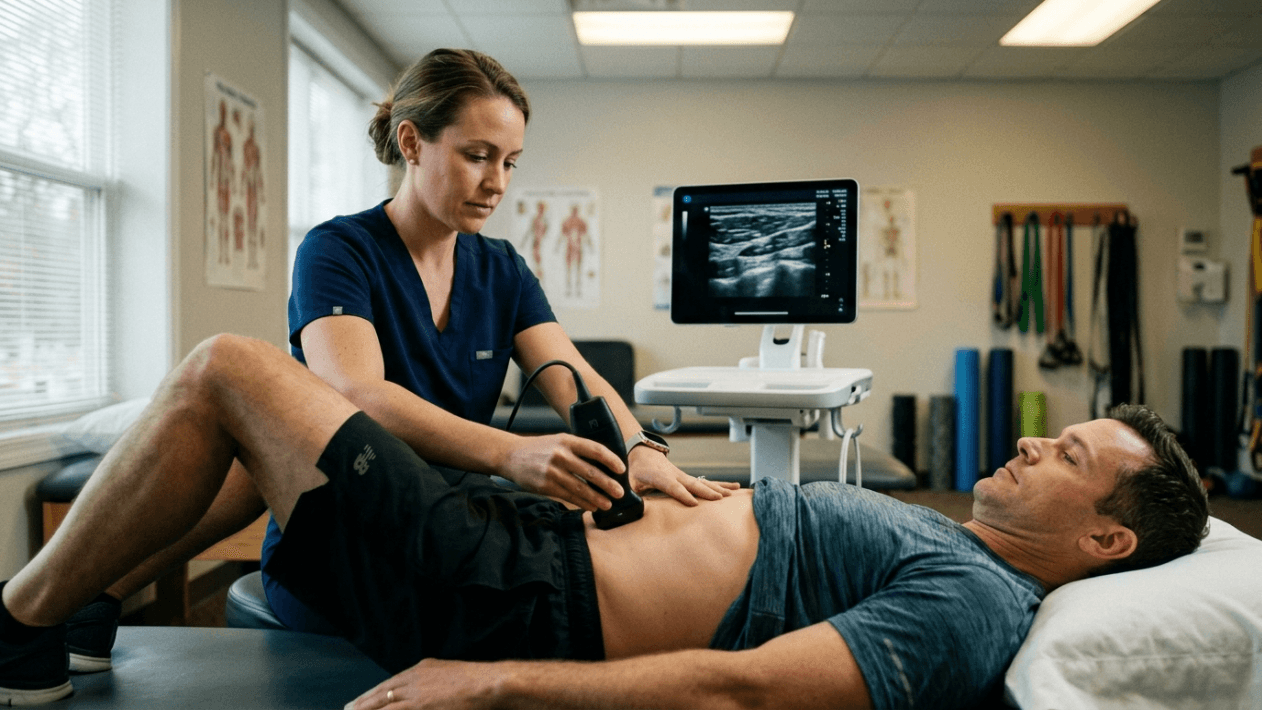
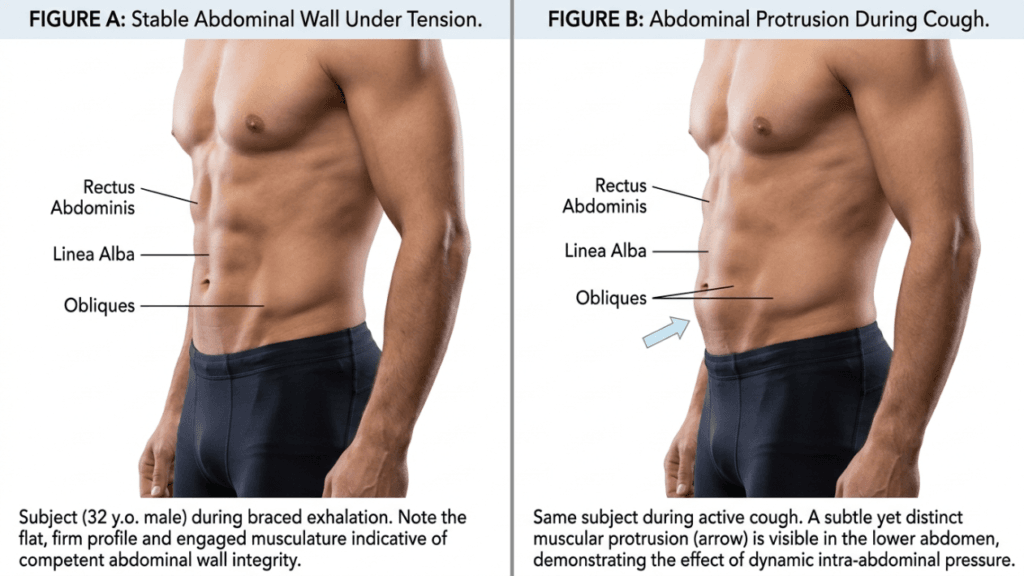
Этот тест воспроизводит самую опасную ситуацию для свежего швов поясничной стенки: внезапное, непроизвольное повышение внутричерепного давления. Пациент стоит, а оценивающий держит портативный ультразвуковой датчик над средней линией пластики. Затем пациент сильно кашляет. Ультразвук фиксирует, открывается ли разрыв при нагрузке. Даже двухмиллиметровое расстояние при кашле указывает на недостаточную динамическую стабилизацию. Пациенты с 4‑ или 5‑балльной стабильности не показывают расширения разрыва при это.
Тест 4: Оценка коактивации мышц тазового дна
Дисфункция тазового дна часто сопутствует диастазу прямой мышцы, особенно после множественных беременностей. Др. Йилмаз оценивает вовлечённость тазового дна с помощью биообратной связи во время манёвра Вальсальвы. Пациенты, которые не могут генерировать координированное сжатие тазового дна вместе с активацией поперечного мышчного пояса, демонстрируют «пустой» брюшной цилиндр — давление сверху встречает нулевое сопротивление снизу, направляя силу боково и вперёд в линию пластики. Коррекция этой дисфункции до.
Тест 5: Скрининг целостности межрёберных нервов
Используя целенаправленное дерматомальное сенсорное тестирование и функциональную активацию мышц верхних сегментов прямой мышцы живота, доктор Йылмаз выявляет компрессию межрёберных нервов, которая незаметно ослабляет верхнюю часть брюшной стенки. У пациентов с нарушенной функцией межрёберных нервов часто развивается характерный паттерн отказа сверху вниз: сначала расходится надпупочная репарация, образуя выпуклость выше пупка, в то время как подпупочная репарация остаётся целой. Без этого скрининга хирург обнаруживает проблему только тогда, когда пациент возвращается через шесть месяцев после операции с видимой верхней выпуклостью живота и глубоким разочарованием.
Почему ваш хирург никогда не проводил этот тест
Отсутствие функционального тестирования кора перед абдоминопластикой — это не упущение, а системная слепая зона, коренящаяся в том, как программы подготовки пластических хирургов преподают управление диастазом прямых мышц живота. Традиционная модель рассматривает диастаз как структурный разрыв, требующий структурного закрытия. Швы мышечной пликации закрывают разрыв. Операция завершена. Пациент уходит домой. Этот подход даёт отличные результаты, когда мускулатура кора способна самостоятельно поддерживать это закрытие. Он катастрофически терпит неудачу, когда глубокие стабилизаторы не могут.
Большинство пластических хирургов не имеют подготовки для оценки времени активации поперечной мышцы живота, паттернов совместного сокращения тазового дна или синдромов компрессии межрёберных нервов. Эти оценки относятся к области физиотерапии и реабилитационной медицины — дисциплин, которые в стандартных клинических процессах работают почти полностью отдельно от хирургического планирования. Хирург выполняет операцию, а физиотерапевт лечит послеоперационную дисфункцию. Ни один из специалистов не общается через этот разрыв до операции.
Кроме того, добавление функциональной оценки кора вносит неудобную переменную в хирургический рабочий процесс: возможность отсрочки операции. Когда пациент набирает менее 3 баллов по системе оценки, ответственное клиническое решение — отложить операцию и назначить предоперационную реабилитацию кора. Это задерживает доход, продлевает сроки консультаций и вводит разговор, которого большинство хирургов предпочитают избегать — разговор, объясняющий пациенту, оплачивающему услуги, что его тело ещё не готово к запланированной процедуре.
Финансовые затраты на пропуск теста
Ревизионная абдоминопластика — это не просто вторая операция, это реконструкция тканей, которые уже зарубцевались, сократились и зажили в скомпрометированном положении. Ревизионная мышечная пликация требует освобождения первоначального шва, повторного продвижения прямых мышц живота и закрытия тканей, кровоснабжение которых было навсегда изменено первой операцией. Эта процедура обычно стоит от двенадцати до восемнадцати тысяч евро, имеет более высокий уровень осложнений, чем первичная операция, и даёт результаты, которые редко соответствуют тому, что могла бы достичь правильно выполненная первая операция.
Без теста на стабильность кора вы играете с риском ревизии каждый раз, когда проходите абдоминопластику. Тридцатитрёхпроцентный уровень рецидива напрямую переводится в вероятность один к трём необходимости второй операции, второго периода восстановления и второго набора расходов, которые значительно увеличивают общие инвестиции сверх первоначальной процедуры. Две-четыре недели предоперационной реабилитации, требуемые при неудовлетворительной оценке, стоят лишь долю этой ревизии — во времени, деньгах и физических страданиях.
Диастаз прямых мышц — это мышечная проблема, маскирующаяся под хирургическую
Самое фундаментальное заблуждение в планировании абдоминопластики — рассматривать диастаз прямых мышц живота исключительно как расхождение, которое нужно закрыть. Диастаз прямых мышц представляет собой видимый симптом более глубокой нейромышечной дисфункции. Прямые мышцы живота разошлись, потому что нагрузка, распределённая по брюшной стенке, превысила то, что соединительная ткань и глубокие стабилизирующие мышцы могли удержать. Беременность растягивает белую линию живота. Но беременность также глубоко изменяет паттерны моторного контроля поперечной мышцы живота, нарушает координацию между тазовым дном и глубоким цилиндром кора и часто сжимает межрёберные нервы через расширенное положение грудной клетки.
Зашивание разрыва без восстановления мышечной системы контроля, предотвращающей повторное открытие этого разрыва, аналогично латанию трещины в плотине, в то время как давление воды, создавшее трещину, остаётся неизменным. Заплатка держится временно. Давление в конечном счёте побеждает. Это объясняет, почему послеоперационный рецидив следует предсказуемой временной шкале: пациенты выглядят выздоровевшими на шестинедельном осмотре, но к четвёртому или пятому месяцу выпуклость возвращается по мере увеличения функциональных требований и растяжения рубцовой ткани под постоянной нейромышечной недостаточностью.
Пациенты, ищущие эстетической хирургии в Турции и во всём мире заслуживают предоперационной оценки, которая выявляет корневую нейромышечную патологию, а не только её структурное проявление. Подход SURGYTEAM под руководством доктора Сельчука Йылмаза рассматривает диастаз прямых мышц живота как дефицит контроля кора, требующий функциональной реабилитации до структурного восстановления.
Функциональное восстановление требует функциональной оценки до операции
Концепция функционального восстановления после абдоминопластики получает значительное внимание. Хирурги регулярно назначают послеоперационные упражнения для кора, протоколы постепенного возвращения к активности и стратегии абдоминального бандажирования для поддержки коррекции во время заживления. Что полностью отсутствует в этой структуре — это предоперационный аналог: функциональная оценка до выполнения коррекции.
Учтите логику. Вы бы не построили несущую стену на треснувшем фундаменте. Сначала вы ремонтируете фундамент, проверяете его несущую способность, затем строите стену. Стандартная практика абдоминопластики меняет эту последовательность: сначала строит стену, а затем проверяет фундамент. Когда стена трескается, отрасль обвиняет соблюдение пациентом рекомендаций по восстановлению, технику наложения швов или индивидуальную реакцию на рубец. Реальная причина — непроверенный и недостаточно подготовленный фундамент — остаётся не изученной.
Система оценки стабильности ядра доктора Сельджука Йылама устраняет эту ошибку последовательности. Проводя тестирование фундамента до начала строительства, хирург получает три критически важных преимущества. Во-первых, пациенты с достаточными баллами сразу переходят к операции, будучи уверенными, что их мышечная система защитит ремонт. Во-вторых, пациенты с недостаточными баллами получают целенаправленную реабилитацию, направленную на конкретные выявленные дефициты — будь то время активации поперечной мышцы живота, ко‑сокращение тазового дна или функция межреберных нервов. В{BOLD_1}Третьих{BOLD_1}, сам хирургический план адаптируется к функциональной реальности пациента, включая модифицированные техники пликации, выборочные стеж\{SHORTCODE_1}ки quilting или дополнительные стратегии усиления для пациентов, чьи реабилитационные возможности ограничены постоянным нервным повреждением или заболеванием соединительной ткани.
Разница SURGYTEAM: специализированный специалист по абдоминопластике, а не общий хирург
В SURGYTEAM в Анталье абдоминопластика никогда не выполняется врачом общей практики. Доктор Сельчук Йылмаз сосредоточен исключительно на реконструкции брюшной стенки и контурировании тела. Его узкая специализация означает, что он оценил и пролечил тысячи случаев диастаза прямых мышц живота — каждый из них оценён через пятибалльную систему оценки стабильности кора до подтверждения любой даты операции.
This specialist model produces measurable outcomes. SURGYTEAM’s abdominoplasty patients demonstrate a revision rate below three percent, compared to the industry average of twenty-two to thirty-three percent. This success rate stems not from a single surgical technique but from the comprehensive diagnostic framework that determines whether and when surgery is appropriate for each individual patient. The multi-surgeon team at SURGYTEAM applies this same specialist-centric philosophy across every procedure: a dedicated facelift surgeon performs facial surgery, a dedicated breast surgeon performs breast procedures, and Dr. Yılmaz performs every abdominal case.
Все хирурги SURGYTEAM имеют сертификат FEBOPRAS — Fellowship of the European Board of Plastic, Reconstructive, and Aesthetic Surgeons — подтверждающий соответствие самым строгим стандартам обучения и компетентности в европейской пластической хирургии. Клиника работает по протоколам, сертифицированным EBOPRAS, и обладает международным сертификатом авторизации медицинского туризма, гарантируя, что международные пациенты получают медицинскую помощь, соответствующую тем же стандартам безопасности, что и в ведущ, преображение мамочки Протоколы интегрируют оценку стабильности корпуса в комплексный план операции.
Ваш трехминутный самотест: оцените стабильность корпуса сегодня вечером
Before you schedule any abdominal surgery, you need to know whether your core stability can sustain a rectus sheath repair. The following three-minute self-test provides a preliminary screening — not a replacement for Dr. Yılmaz’s comprehensive five-point clinical assessment, but a meaningful indicator you can perform in your own home tonight.
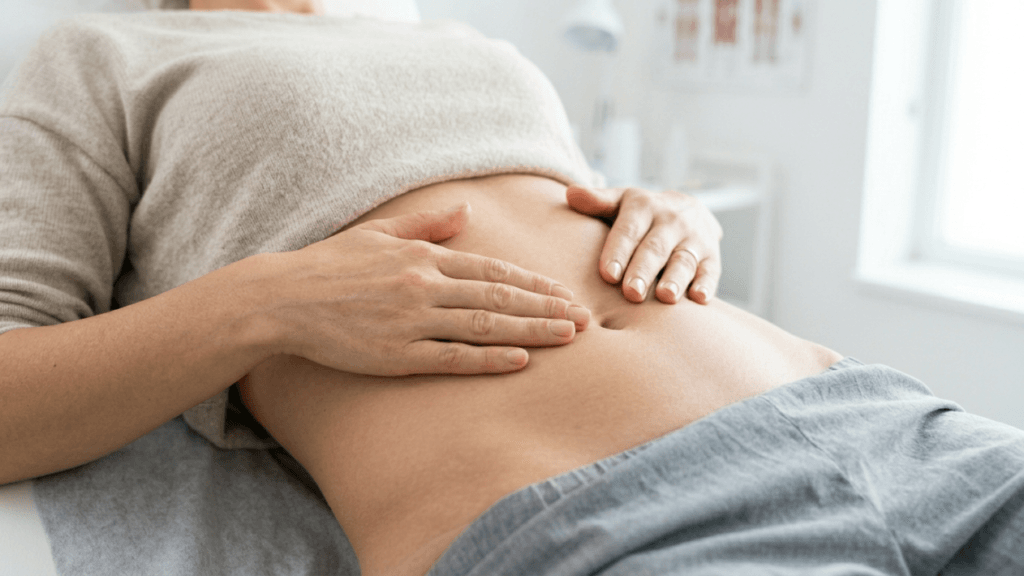
- Шаг 1: Лежа на спине и пальпировать: Лягте на спину, колени согнуты, стопы на полу. Положите два пальца чуть внутри костных выступлений таза, слегка нажимая на нижний отдел живота. Медленно поднимайте одну ногу с пола. Вы должны почувствовать, как ткань под пальцами сжимается до движения ноги. Если вы ничего не чувствуете, или если ткань выталкивается наружу под пальцами, ваш поперечный мышца живота не активируется заранее. Это предупреждающий признак.
- Шаг 2: Выполнить тест кашля стоя: Встаньте прямо, положите одну руку плоско на пупок. Сильнее кашляйте. Если вы чувствуете, как ваш живот выталкивается наружу в ладонь во время кашля, ваши глубокие стабилизаторы не могут контролировать резкие скачки внутрибрюшного давления. Эта же сила выталкивания атакует ваш шов после операции.
- Шаг 3: Проверить наличие выпячивания в верхней части живота: Лягте снова на спину, затем медленно поднимитесь на полпути, не используя руки. Наблюдайте и ощущайте область над пупком. Если при этом в верхней части живота появляется купол или выпячивание, возможно сжатие межреберных нервов или слабость верхней части прямой мышцы живота. Это указывает на топ‑даун‑паттерн несостоятельности, который обычная мышечная пластика одна не может решить.
Если вы заметили какие‑либо из этих предупреждающих признаков, ваша стабильность корпуса сейчас находится ниже порога, необходимого для надёжного ремонта передней стенки живота. Проведение абдоминальной пластики без устранения этих дефицитов ставит вас прямо в статистику рецидивов — один из трёх. Программа целенаправленной до‑операционной реабилитации может восстановить функциональный контроль у большинства пациентов за две‑шесть недель — но только если дефициты будут выявлены до начала ремонта.
Как предоперационная реабилитация корпуса предотвращает неудачу абдоминопластики
Когда система оценки стабильности корпуса выдаёт результат ниже 3, Dr. Yılmaz назначает целенаправленную программу до‑операционной реабилитации. Это не общие упражнения. Каждый элемент напрямую addresses конкретные функциональные дефициты, выявленные в пятипунктовой оценке, создавая биологическую среду, способную защитить запланированный хирургический ремонт.
Перепрограммирование мышц поперечной мышцы живота
Пациенты с задержкой или отсутствием активации глубоких стабилизаторов проходят прогрессивную тренировку моторного контроля. Протокол начинается с дыхания диафрагмой в положении лежа, согласованного с мягкой активацией поперечной мышцы живота, продолжается через активацию в положении на четвереньках и на боку, и завершается стоя с функциональной поддержкой под нагрузкой. Биологическая обратная связь в реальном времени с помощью ультразвука подтверждает, что поперечная мышца живота активируется независимо от прямой мышцы живота — критическое различие, поскольку пациенты, заменяющие активацию поперечной мышцы активацией прямой мышцы, усиливают дисбаланс, который создал их диастаз.
Тренировка коактивации мышц тазового дна
У пациентов с дисфункцией тазового дна упражнения, управляемые биологической обратной связью, восстанавливают синхронный паттерн сокращения между тазовым дном и поперечной мышцей живота. Эта координация обеспечивает стабильную «крышу» и «основание» брюшного цилиндра во время любого события, повышающего внутрибрюшное давление. Без этой координации даже идеальная пликация мышц сталкивается с постоянным асимметричным напряжением, которое постепенно растягивает ремонт.
Мобилизация и десенсибилизация межреберных нервов
Когда компрессия межреберных нервов способствует слабости верхней части живота, целенаправленные упражнения на скольжение нервов и стратегии коррекции осанки снижают компрессию у реберного края. В случаях постоянного нервного повреждения хирургический план адаптируется: доктор Ялмаз включает дополнительные швы-латки и техники прогрессивного распределения напряжения в верхней части живота, чтобы компенсировать участки, лишённые адекватного моторного нервного ввода.
Протокол ‘Корпус в первую очередь’ при абдоминопластике в SURGYTEAM Анталья
Dr. Selçuk Yılmaz’s Core-First Tummy Tuck protocol integrates the five-point stability assessment, targeted pre-operative rehabilitation when indicated, and a surgically adaptive abdominoplasty technique calibrated to each patient’s functional profile. This is not a marketing label — it is a clinical pathway grounded in the relationship between pre-operative core stability and post-operative durability.
Каждый пациент проходит полную оценку во время первой консультации. Те, кто набирает 4 или 5 баллов, сразу переходят к операции без задержек. Те, у кого оценка ниже 3, получают персонализированный реабилитационный план с отслеживанием прогресса по этапам. Операция планируется только тогда, когда пациент демонстрирует достаточный функциональный контроль, способный защитить запланированный ремонт при реальных нагрузках. Такой дисциплинированный подход принес SURGYTEAM уровень ревизий, недостижимый для средних отраслевых показателей.
Dr. Yılmaz accepts ten patients per month into the Core-First Tummy Tuck program. This limit reflects the clinical reality that each assessment, rehabilitation protocol, and surgical plan requires substantial physician time and individualized attention. Mass-production medicine cannot deliver this standard. A surgeon who books forty abdominoplasties per month cannot spend an hour evaluating each patient’s transverse abdominis activation timing or designing a targeted pelvic floor rehabilitation sequence.
The choice is straightforward. You can undergo a standard tummy tuck from a surgeon who measures your diastasis gap but never tests whether your muscles can hold the repair. Alternatively, you can enter a protocol that evaluates your core’s actual load-bearing capacity before committing to surgery — and builds rehabilitation into your timeline when your body needs it. One path carries a one-in-three recurrence risk. The other carries a revision rate below three percent.
Запишитесь на оценку «Корпус в первую очередь» с SURGYTEAM
Your abdomen deserves more than a measuring tape and a surgery date. Before you invest twelve thousand euros or more into an abdominoplasty, demand the functional assessment that determines whether your core can sustain the result. Dr. Selçuk Yılmaz’s Core-First Tummy Tuck evaluations at SURGYTEAM, Antalya are limited to ten patients monthly. Each evaluation includes the full five-point Core Stability Grading assessment, a personalized surgical plan based on your functional profile, and pre-operative rehabilitation prescription when indicated.
Не становитесь частью тридцати трёх процентов, которые узнают о нестабильности корпуса только после того, как их ремонт уже провалился. Свяжитесь с SURGYTEAM сегодня, чтобы запросить вашу оценку Core‑First — и убедиться, что ваш первый тумми‑тук будет последним.
Что произойдет, если мой показатель стабильности корпуса будет ниже 3 до операции?
Пациенты, получившие результат ниже 3, проходят целенаправленную программу до‑операционной реабилитации продолжительностью от двух до шести недель. Программа учитывает ваши конкретные дефициты — будь то время активации поперечного мышца живота, ко‑контракция тазового дна или функция межреберных нервов. Операция проводится только после того, как вы достигнете достаточного функционального контроля, способного защитить ремонт передней стенки живота в реальных условиях.
Почему мой обычный хирург не проводит этот тест корпуса?
Большинство пластических хирургов не имеют обучения в области функциональной оценки кору, что относится к физиотерапии и реабилитационной медицине. Кроме того, тестирование вводит возможность отложения операции — разговор, который многие хирурги избегают. Системный разрыв между хирургическим планированием и функциональной оценкой означает, что большинство клиник никогда не объединяют эти дисциплины перед проведением операции.
Могу ли я пройти самотест дома вместо поездки на консультацию?
Трёхминутный самотест дома предоставляет полезный индикатор скрининга, но он не может заменить комплексную пятибалльную клиническую оценку. Др. Yılmaz использует портативную ультразвуковую диагностику, измерения биообратной связи и скрининг дерматомальных нервов — инструменты и экспертизу, недоступные в домашних условиях. Клиническая оценка выдаёт точную степень, которая напрямую определяет ваше хирургическое планирование.
Сколько времени занимает предоперационная реабилитация корпуса?
Большинство пациентов с лёгкой или умеренной дисфункцией достигают проходящей степени в течение двух‑четырёх недель при регулярной реабилитации. Пациенты с тяжёлой дисфункцией или постоянным повреждением нервов могут потребовать четыре‑шесть недель. Время восстановления полностью зависит от ваших конкретных дефицитов и вашей приверженности назначенным упражнениям и сеансам биообратной связи.
Включён ли протокол «Корпус в первую очередь» в комплексные пакеты?
SURGYTEAM предлагает комплексные все включительные пакеты, охватывающие хирургическое вмешательство, госпитализацию и постоперационный уход. Оценка Core Stability Grading и любые необходимые предоперационные реабилитационные программы интегрированы в ваш персонализированный план лечения. Свяжитесь с клиникой напрямую для уточнения деталей пакета и цен, исходя из ваших индивидуальных потребностей.
Почему уровень рецидивов так высок без тестирования ядра?
Без функциональной оценки хирурги закрывают разрыв диастазы, не проверяя, могут ли глубоко лежащие стабилизирующие мышцы удерживать это закрытие под нагрузкой. Каждый кашель, подъём и постурный вызов создают механический стресс на восстановление, который неувеличенные мышцы не могут компенсировать. Через несколько месяцев этот длительный стресс растягивает рубцовую ткань, разрыв открывается снова, и бугра возвращается.
Может ли реабилитация ядра исправить мою диастазу без операции?
Реабилитация кору улучшает невромышечный контроль и функциональную стабильность, но не может закрыть значительный структурный разрыв в линии альбы. Реабилитация предотвращает рецидив, готовя мышечную среду, тогда как хирургия устраняет структурное разделение само по себе. Оба компонента необходимы для долговечного результата при умеренных и тяжёлых случаях диастазы прямой мышцы.
Как записаться на оценку Core-First у доктора Йылмаз?
Др. Yılmaz принимает только десять пациентов в месяц в программу Core-First Tummy Tuck. Вы можете запросить оценку, связавшись с SURGYTEAM по телефону +90 538 929 78 28, WhatsApp, электронной почте [email protected] или через онлайн‑форму обратной связи. Раннее бронирование рекомендуется из‑за строгого ежемесячного ограничения количества пациентов.