Brustrekonstruktionsoperation bietet einen transformativen Weg für Personen, die nach einer Mastektomie die Brustform wiederherstellen oder angeborene Unterschiede korrigieren möchten. Dieser komplexe Eingriff geht über die Ästhetik hinaus und beeinflusst das psychische Wohlbefinden und das Körperbild des Patienten erheblich. Das Verständnis der verfügbaren Techniken und des Genesungsprozesses ist entscheidend, um fundierte Entscheidungen zu treffen.
Chirurgieteam bietet umfassende Unterstützung für die Brustrekonstruktion und begleitet Patienten durch jede Phase von der Erstkonsultation bis zur Nachsorge, um einen maßgeschneiderten Ansatz für natürliche und zufriedenstellende Ergebnisse zu gewährleisten.

Inhaltsverzeichnis
Wer profitiert von einer Brustrekonstruktion?
Kandidaten für die Brustrekonstruktion sind typischerweise Personen, die aufgrund von Brustkrebs eine Mastektomie durchgemacht haben, solche mit angeborenen Brustdeformitäten oder Patienten, die eine Revision früherer Brustoperationen wünschen. Die Entscheidung für eine Rekonstruktion ist sehr persönlich und wird häufig in den folgenden Szenarien in Betracht gezogen:
- Nach einer Mastektomie, entweder sofort oder zu einem späteren Zeitpunkt, um das Brustvolumen und die Form wiederherzustellen.
- Korrektur signifikanter Brustasymmetrie oder von Geburt an fehlender Brust.
- Wunsch, die Körpersymmetrie und die Passform der Kleidung zu verbessern.
- Streben nach mehr Selbstvertrauen und emotionalem Wohlbefinden nach der Brustentfernung.
Es ist wichtig zu beachten, dass die Brustrekonstruktion ein stark individualisiertes Verfahren ist. Eine gründliche Bewertung durch einen qualifizierten plastischen Chirurgen ist unerlässlich, um die am besten geeignete Technik basierend auf Ihrer Gesundheit, Ihrem Körpertyp und Ihren persönlichen Zielen zu bestimmen.
3 wesentliche Techniken für die Brustrekonstruktion
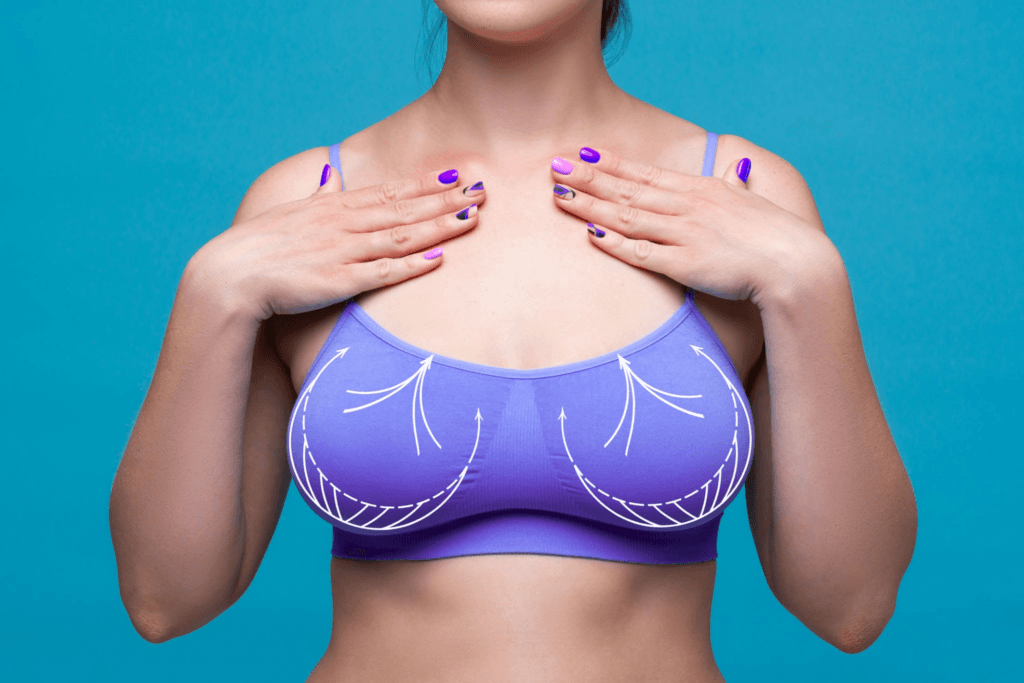
Die Brustrekonstruktion umfasst verschiedene Methoden, von denen jede eigene Vorteile und Überlegungen hat. Die primären Techniken fallen in zwei Hauptkategorien: implantatbasierte Rekonstruktion und autologe (Gewebeflap) Rekonstruktion.
1. Implantatbasierte Rekonstruktion
- Diese Methode verwendet Salzlösungs- oder Silikonimplantate, um einen neuen Brustansatz zu schaffen.
- Umfasst oft einen zweistufigen Prozess: zunächst die Platzierung eines Gewebeexpanders, gefolgt vom Implantataustausch, sobald ausreichend Haut und Gewebe gedehnt wurden.
- Ein einfacherer Eingriff mit kürzerer Erholungszeit im Vergleich zur Flap-Operation.
- Kann für Patienten geeignet sein, die nach der Mastektomie über ausreichende verbleibende Haut und Muskulatur verfügen.
2. Autologe (Gewebeflap) Rekonstruktion
- Verwendet das eigene Gewebe des Patienten (Haut, Fett und manchmal Muskel) von einem anderen Körperteil, wie dem Abdomen, dem Rücken oder dem Gesäß.
- Bietet ein natürlicheres Aussehen und Gefühl, da die rekonstruierte Brust aus lebendem Gewebe besteht, das mit dem Körper altert.
- Gängige Flap-Typen umfassen den DIEP-Flap (Deep Inferior Epigastric Perforator), den Latissimus-dorsi-Flap und den Gesäßflap.
- Eine komplexere Operation mit längerer Erholungszeit, liefert jedoch oft sehr langlebige Ergebnisse.
3. Kombinationstechniken
- In einigen Fällen kann eine Kombination aus Gewebeflaps und Implantaten verwendet werden, um optimale Ergebnisse zu erzielen, insbesondere bei komplexen Rekonstruktionen.
- Dieser Ansatz kann die Vorteile beider Methoden bieten, natürliche Konturen ermöglichen und gleichzeitig den Umfang der Flap-Operation reduzieren.
Die Wahl der Technik hängt von Faktoren wie dem Körpertyp des Patienten, vorherigen Behandlungen (z. B. Strahlentherapie) und persönlichen Vorlieben ab. Ihr Chirurg wird diese Optionen im Detail mit Ihnen besprechen.

Der chirurgische Prozess der Brustrekonstruktion
Brustrekonstruktionschirurgie in Antalya wird in der Regel unter Vollnarkose durchgeführt und dauert etwa 2–4 Stunden, abhängig von der Technik und dem Umfang der Korrektur. Die Hauptschritte sind:
- Anästhesie: Die Vollnarkose sorgt während des gesamten Eingriffs für Komfort.
- Einschnitt: Die Einschnitte werden strategisch platziert, um sichtbare Narben zu minimieren, häufig entlang der Mastektomie-Narbe oder in diskreten Bereichen für die Flap-Entnahme.
- Gewebevorbereitung: Bei implantatbasierter Rekonstruktion wird ein Fach für den Expander oder das Implantat geschaffen. Bei Flap-Rekonstruktion wird das Gewebe sorgfältig von der Spenderstelle entnommen.
- Rekonstruktion: Der neue Brustkörper wird entweder mit einem Implantat oder dem übertragenen Gewebe geformt. Mikrovaskuläre Techniken werden bei freien Flaps eingesetzt, um Blutgefäße zu verbinden.
- Schließung: Die Einschnitte werden sorgfältig verschlossen, und Drainagen können vorübergehend eingesetzt werden, um Flüssigkeitsansammlungen zu kontrollieren.
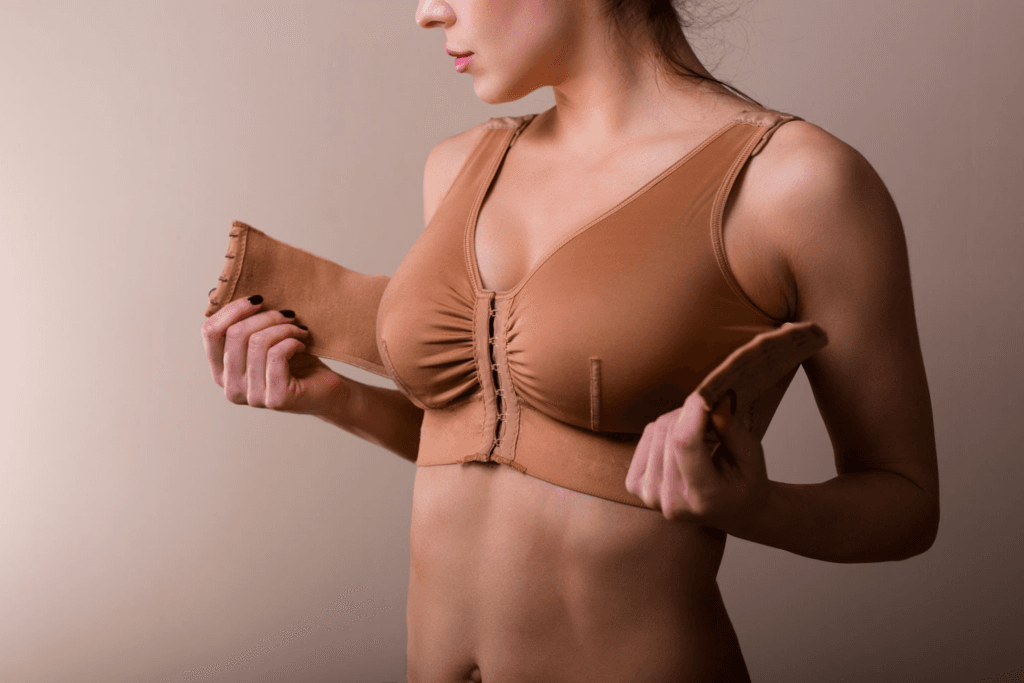
Nach der Operation wird ein Kompressionskleidungsstück oder ein chirurgischer BH angelegt, um den rekonstruierten Bereich zu stützen und Schwellungen zu minimieren. Patienten bleiben in der Regel mehrere Tage im Krankenhaus, insbesondere nach Flap‑Verfahren, zur engen Überwachung und Schmerzbehandlung.
Erholung nach einer Brustrekonstruktionsoperation navigieren
Die Genesung ist ein schrittweiser Prozess, der von der Operationstechnik, der individuellen Heilungsfähigkeit und der Einhaltung postoperativer Anweisungen abhängt. Patienten müssen den typischen Zeitplan verstehen, um Erwartungen effektiv zu managen.
Unmittelbarer postoperativer Zeitraum (erste Tage)
- Erwarten Sie Unbehagen, Engegefühl und Müdigkeit. Schmerzmedikamente werden verschrieben, um diese Symptome zu lindern.
- Drainagen, falls eingesetzt, erfordern eine sorgfältige Handhabung und werden von Ihrem Chirurgen entfernt, wenn es angemessen ist.
- Bewegungen, insbesondere Armbewegungen, werden eingeschränkt, um die Operationsstellen zu schützen.
Erste 2–4 Wochen
- Schwellungen und Blutergüsse klingen allmählich ab.
- Leichte Aktivitäten können in der Regel wieder aufgenommen werden, aber anstrengende Übungen und schweres Heben bleiben verboten.
- Nachsorgetermine sind entscheidend für Wundkontrollen und das Entfernen von Drainagen.
Erste 6–12 Wochen
- Die meisten Patienten können nach Genehmigung des Chirurgen zu normalen Alltagsroutinen zurückkehren, einschließlich moderatem Sport.
- Die rekonstruierte Brust wird sich weiter setzen, und die endgültige Form wird deutlicher sichtbar werden.
- Narbenmanagement-Strategien können eingeführt werden, um das Erscheinungsbild der Narbe zu verbessern.
Langfristige Ergebnisse
- Narben reifen über 12–18 Monate, werden weicher und weniger auffällig.
- Regelmäßige Nachuntersuchungen bei Ihrem Chirurgen sind unerlässlich, um die langfristige Gesundheit der rekonstruierten Brust zu überwachen.
- Ein stabiles Gewicht und ein gesunder Lebensstil unterstützen die Langlebigkeit der Ergebnisse.
Die strikte Einhaltung der postoperativen Anweisungen Ihres Chirurgen ist entscheidend für eine reibungslose Genesung und optimale Ergebnisse. Zögern Sie nicht, während dieser Zeit Bedenken zu äußern.
Narben nach Brustrekonstruktion
Alle chirurgischen Eingriffe hinterlassen Narben, und die Brustrekonstruktion ist keine Ausnahme. Lage und Ausmaß der Narben hängen von der gewählten Technik ab. Bei implantatbasierter Rekonstruktion verlaufen die Narben typischerweise entlang des Mastektomie-Schnitts. Flap‑Verfahren führen zu Narben sowohl an der Brust als auch an den Spenderstellen. Faktoren, die das Narbenbild beeinflussen, sind:
- Individueller Hauttyp und genetische Veranlagung zur Narbenbildung.
- Raucherstatus und allgemeine Gesundheit.
- Sorgfältige Wundpflege und Einhaltung von Narbenmanagement‑Protokollen.
Im Laufe der Zeit verblassen und ebnen sich Narben typischerweise. Ihr Chirurg kann spezifische Behandlungen wie Silikonpflaster oder Massage empfehlen, um die Narbenqualität zu verbessern.
Brustrekonstruktion in Antalya für internationale Patienten
Antalya hat sich als bedeutendes Ziel für Medizintourismus, das Patienten weltweit für verschiedene ästhetische und rekonstruktive Eingriffe anzieht. Für diejenigen, die eine Brustrekonstruktionsoperation in Antalya, in Betracht ziehen, gibt es mehrere überzeugende Vorteile:
- Zugang zu hochqualifizierten und erfahrenen plastischen Chirurgen, die sich auf rekonstruktive Techniken spezialisiert haben.
- Modernste medizinische Einrichtungen, ausgestattet mit fortschrittlicher Technologie.
- Engagierte Teams, die mehrsprachige Unterstützung und umfassende Betreuung für internationale Patienten bieten.
- Wettbewerbsfähige Behandlungskosten, ohne Kompromisse bei Qualität oder Sicherheitsstandards.
- Ein angenehmes mediterranes Klima, das zu einer komfortablen Erholungsphase beiträgt.
Internationale Patienten erhalten sorgfältig geplante Behandlungspläne, die Reiseorganisation, Krankenhausaufenthalte und postoperative Nachsorge umfassen, um ein nahtloses und stressfreies Erlebnis zu gewährleisten.
Kosten der Brustrekonstruktionschirurgie in Antalya verstehen
Preise für Brustrekonstruktion in Antalya sind stark variabel und spiegeln die individualisierte Natur jedes Eingriffs wider. Wesentliche Faktoren, die die Gesamtkosten beeinflussen, sind:
- Die gewählte Rekonstruktionstechnik (implantatbasiert vs. Gewebeflappe).
- Die Komplexität des Falls und das Ausmaß der erforderlichen Korrektur.
- Ob zusätzliche Eingriffe, wie Nippelrekonstruktion oder Fetttransplantation, gleichzeitig durchgeführt werden.
- Die Dauer der Operation und der Anästhesie.
- Krankenhausgebühren und die Länge des postoperativen Aufenthalts.
Aufgrund dieser Variablen ist es unpraktisch, online einen einzigen “Standardpreis” anzugeben. Für genaue und aktuelle Kostenschätzungen bitten wir Sie, unsere Klinik zu kontaktieren direkt oder vereinbaren Sie eine persönliche Beratung.
Häufig gestellte Fragen zur Brustrekonstruktionschirurgie
Wann ist der beste Zeitpunkt für die Brustrekonstruktion?
Die Brustrekonstruktion kann sofort nach der Mastektomie (sofortige Rekonstruktion) oder zu einem späteren Zeitpunkt (verzögerte Rekonstruktion) durchgeführt werden. Der optimale Zeitpunkt hängt von Ihrem Krebsbehandlungsplan, Ihrer allgemeinen Gesundheit und Ihren persönlichen Vorlieben ab, die Sie mit Ihrem Ärzteteam besprechen sollten.
Werde ich das Gefühl in meiner rekonstruierten Brust zurückgewinnen?
Obwohl im Laufe der Zeit etwas Empfindung zurückkehren kann, ist sie im Allgemeinen nicht dieselbe wie die natürliche Brustempfindung. Die Nervenregeneration ist ein komplexer Prozess, und das Ausmaß der Empfindungswiederherstellung variiert erheblich zwischen den einzelnen Personen und Rekonstruktionstechniken.
Wie lange halten Brustimplantate?
Brustimplantate sind keine Geräte für das ganze Leben und können aufgrund von Rissen, Kapselkontraktur oder einfach dem Wunsch nach Veränderung ausgetauscht werden müssen. Die Lebensdauer variiert, aber viele Implantate halten 10–20 Jahre oder länger. Eine regelmäßige Überwachung wird empfohlen.
Kann ich nach der Brustrekonstruktion stillen?
Stillen ist nach einer Brustrekonstruktion in der Regel nicht möglich, insbesondere nach einer Mastektomie, da die Milchgänge und Drüsen normalerweise entfernt oder erheblich verändert wurden.
Ist die Brustrekonstruktion durch die Versicherung abgedeckt?
In vielen Ländern ist die Brustrekonstruktion nach einer Mastektomie wegen Krebs gesetzlich von der Versicherung abzudecken. Die genauen Leistungen variieren jedoch je nach Police und Region. Es ist wichtig, Ihre spezifischen Versicherungsleistungen zu überprüfen.
Für detaillierte Informationen und Beratung
Wenn Sie erwägen eine Brustrekonstruktionsoperation in Antalya, kontaktieren unsere Klinik, um alle Ihre Fragen zu klären und einen individuellen Behandlungsplan zu erstellen. Surgyteam und sein engagiertes Team setzen sich dafür ein, Sie während Ihrer Reise zu wiederhergestelltem Selbstvertrauen und einer ausgewogenen Körperkontur zu unterstützen.