Imagine finally deciding to undergo breast surgery, only to realize after traveling abroad that the procedure you chose doesn’t align with your goals—or worse, that the clinic you selected doesn’t specialize in the type of surgery you need. This scenario is more common than you think, especially with the growing popularity of medical tourism for procedures like breast augmentation, reduction, and reconstruction.
Breast surgery is a life-changing decision, and choosing the right procedure is critical to achieving your desired results. However, with so many options available—each with its own benefits, risks, and recovery processes—it can be overwhelming to determine which one is right for you. Add the complexity of undergoing surgery abroad, and the decision becomes even more challenging.
In diesem comprehensive 3,000-word guide, wir decken ab:
- Der most common types of breast surgery procedures available abroad, including their benefits and risks.
- Wie man determine which procedure aligns with your goals, body type, and lifestyle.
- Der key factors to consider when choosing a clinic and surgeon abroad.
- A step-by-step decision-making framework to help you confidently select the right procedure and provider.
By the end of this guide, you’ll have a clear understanding of your options and the tools to make an informed decision that aligns with your goals and ensures a safe, successful outcome. Let’s begin.
Inhaltsverzeichnis
Common Types of Breast Surgery Procedures Abroad: Benefits and Risks
Breast surgery encompasses a variety of procedures, each designed to address different aesthetic or medical concerns. Below, we break down the most common types of breast surgery available abroad, along with their benefits, risks, and ideal candidates.
1. Breast Augmentation (Augmentation Mammoplasty)
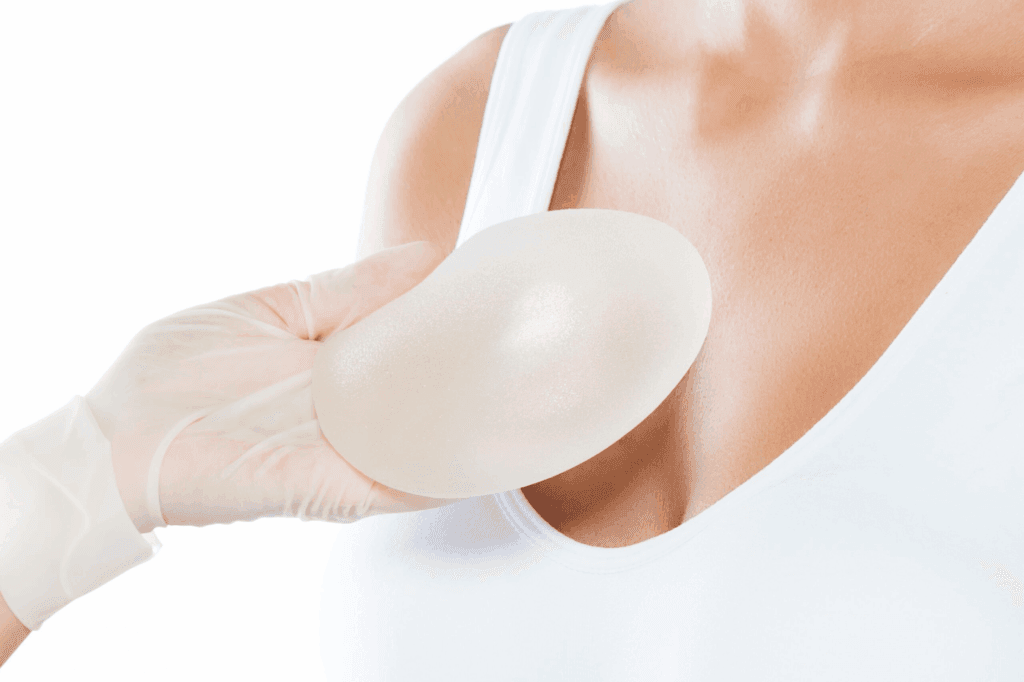
Breast augmentation is one of the most popular cosmetic procedures worldwide. It involves the use of implants or fat transfer to increase the size and enhance the shape of the breasts.
Types of Breast Augmentation:
- Silikonimplantate: Filled with silicone gel, these implants are known for their natural feel and durability. They come in various shapes (round or teardrop) and textures (smooth or textured).
- Kochsalzimplantate: Filled with sterile saltwater, saline implants are adjustable in size and tend to have a firmer feel. They are less popular than silicone but offer a lower risk of silent rupture.
- Fetttransferaugmentation: Uses liposuction to harvest fat from other areas of your body (e.g., thighs or abdomen) and inject it into the breasts. This method offers a more natural look and feel but may require multiple sessions for desired results.
Vorteile:
- Enhances breast size and shape for a more proportionate figure.
- Boosts self-confidence and body image.
- Can correct asymmetry or volume loss after pregnancy or weight loss.
Risiken:
- Implant rupture or leakage (more common with saline implants).
- Capsular contracture (scar tissue forming around the implant).
- Infection or poor healing.
- Changes in nipple or breast sensation.
Ideale Kandidaten:
- Women who want to enhance the size or shape of their breasts.
- Those with realistic expectations about the results.
- Individuals in good overall health with no active infections or medical conditions that could impair healing.
Erholung:
Recovery typically takes 1-2 Wochen for initial healing, with full results visible after 3-6 Monaten. Patients should avoid strenuous activities for at least 4-6 Wochen.
2. Breast Reduction (Reduction Mammoplasty)
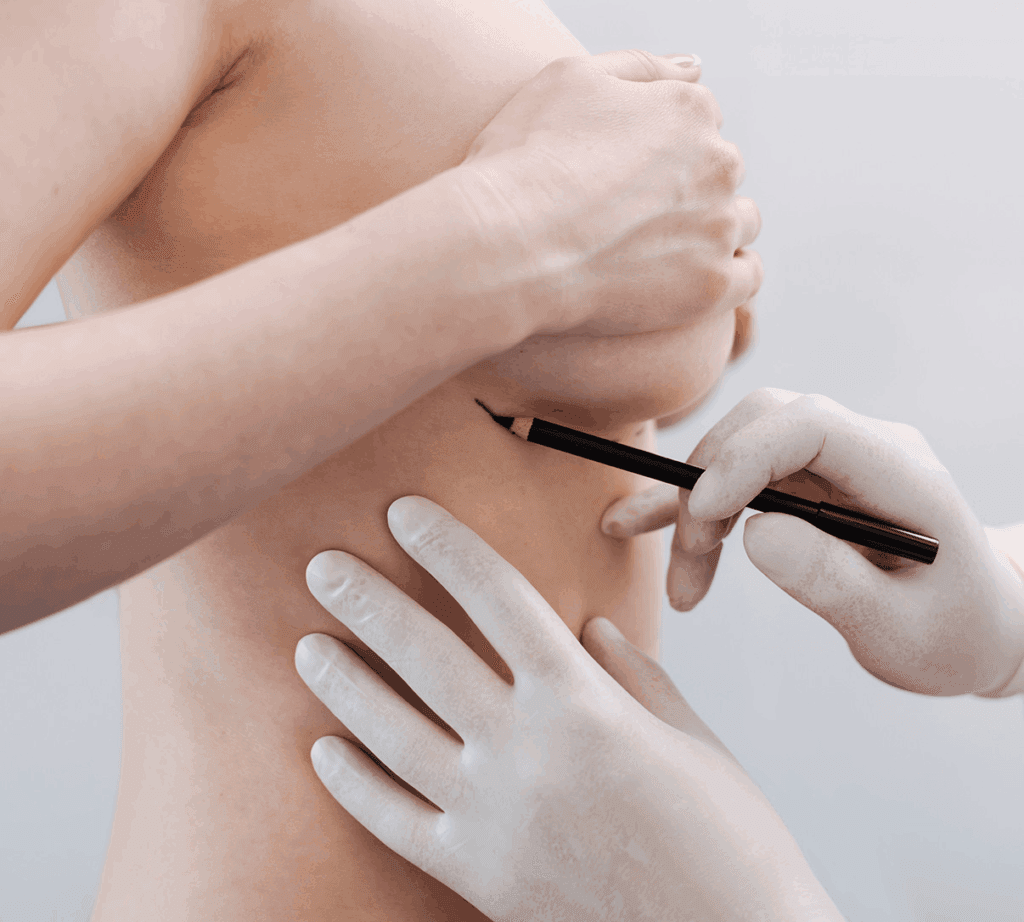
Breast reduction surgery removes excess breast tissue, fat, and skin to achieve a breast size more proportionate to your body. This procedure is often sought for both cosmetic and medical reasons, such as alleviating back pain or improving posture.
Techniken:
- Traditional Breast Reduction: Involves an anchor-shaped incision to remove tissue and reshape the breast. This method is ideal for significant reductions.
- Vertical (Lollipop) Reduction: Uses a shorter incision around the areola and vertically down to the breast crease, resulting in less scarring.
- Liposuction-Assisted Reduction: Uses liposuction to remove excess fat, ideal for patients with dense breast tissue and minimal sagging.
Vorteile:
- Relieves physical discomfort (e.g., back, neck, or shoulder pain).
- Improves posture and ability to engage in physical activities.
- Enhances breast shape and symmetry.
- Boosts self-confidence and body image.
Risiken:
- Scarring (though techniques like the vertical reduction minimize this).
- Changes in nipple or breast sensation.
- Difficulty breastfeeding (though many women retain this ability).
- Asymmetry or uneven healing.
Ideale Kandidaten:
- Women experiencing physical discomfort due to large breasts.
- Those seeking a more proportionate breast size.
- Individuals in good health with no active infections or medical conditions that could impair healing.
Erholung:
Initial recovery takes 1-2 Wochen, mit vollständigen Ergebnissen sichtbar nach 3-6 Monaten. Patients should avoid heavy lifting or strenuous activities for at least 4-6 Wochen.
3. Breast Lift (Mastopexy)
A breast lift, or mastopexy, raises and reshapes sagging breasts by removing excess skin and tightening the surrounding tissue. This procedure does not significantly change the size of the breasts but improves their position and firmness.
Techniken:
- Mondsichel-Lift: Involves a small incision along the top half of the areola, ideal for mild sagging.
- Periareolares (Donut-)Lifting: Uses an incision around the areola to remove excess skin, suitable for moderate sagging.
- Vertikallift (Lollipop-Schalter): Combines an incision around the areola and vertically down to the breast crease, ideal for significant sagging.
- Hebelift (Inverted-T-Anker): Involves an anchor-shaped incision, best for severe sagging and larger breasts.
Vorteile:
- Restores a more youthful breast shape and position.
- Improves breast symmetry and contour.
- Enhances self-confidence and body image.
Risiken:
- Scarring (though techniques like the crescent lift minimize this).
- Changes in nipple or breast sensation.
- Asymmetry or uneven healing.
- Difficulty breastfeeding (though many women retain this ability).
Ideale Kandidaten:
- Women with sagging breasts due to aging, pregnancy, or weight loss.
- Those with realistic expectations about scarring and results.
- Individuals in good health with no active infections or medical conditions that could impair healing.
Erholung:
Initial recovery takes 1-2 Wochen, mit vollständigen Ergebnissen sichtbar nach 3-6 Monaten. Patients should avoid strenuous activities for at least 4-6 Wochen.
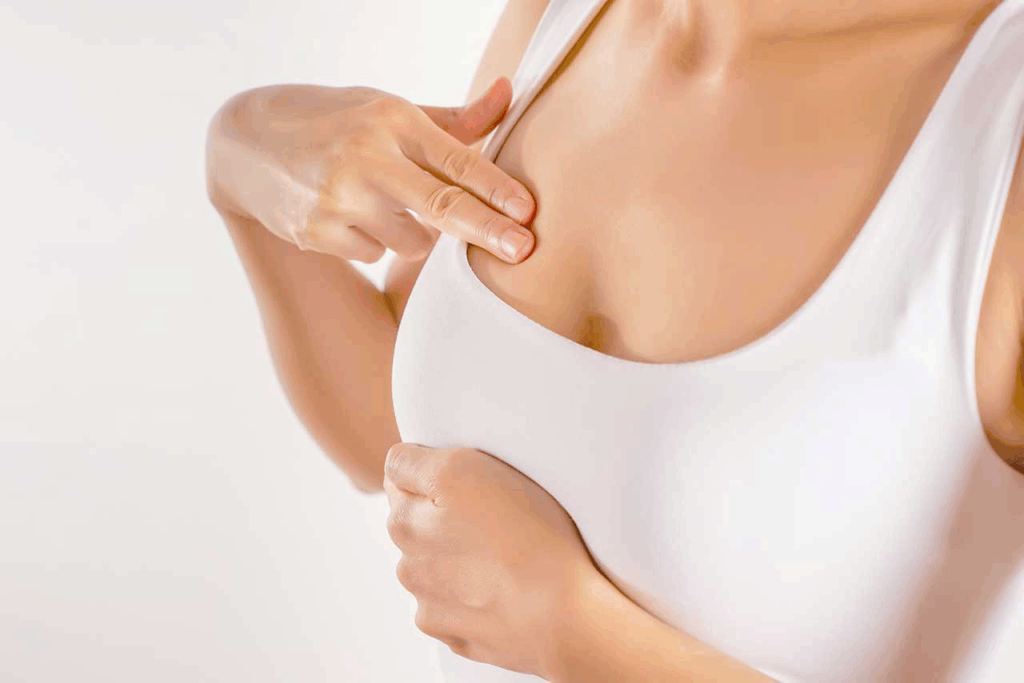
4. Breast Reconstruction
Breast reconstruction is a surgical procedure to restore the shape and appearance of the breast after mastectomy or trauma. This procedure can be performed using implants or natural tissue (autologous reconstruction).
Types of Breast Reconstruction:
- Implant-Based Reconstruction: Uses silicone or saline implants to recreate the breast mound. This method is less invasive but may require multiple surgeries for optimal results.
- Autologous (Flap) Reconstruction: Uses tissue from other parts of your body (e.g., abdomen, thighs, or back) to rebuild the breast. This method offers a more natural look and feel but involves a longer recovery.
- Hybrid Reconstruction: Combines implants and autologous tissue for a customized approach.
Vorteile:
- Restores breast shape and symmetry after mastectomy.
- Improves self-confidence and body image.
- Can be performed immediately after mastectomy or delayed until a later date.
Risiken:
- Infection or poor healing at the donor or reconstruction site.
- Implant-related complications (e.g., rupture, capsular contracture).
- Flap failure (in autologous reconstruction).
- Asymmetry or dissatisfaction with results.
Ideale Kandidaten:
- Women who have undergone mastectomy or experienced breast trauma.
- Those in good overall health with no active infections or medical conditions that could impair healing.
- Individuals with realistic expectations about the results and recovery process.
Erholung:
Recovery varies depending on the type of reconstruction. Implant-based reconstruction typically requires 4-6 Wochen of recovery, while autologous reconstruction may take 6-8 weeks or longer due to the additional surgical site.
5. Gynecomastia Surgery (Male Breast Reduction)
Gynecomastia surgery is designed to reduce excess breast tissue in men, creating a flatter, more masculine chest contour. This condition can result from hormonal imbalances, genetics, or weight fluctuations.
Techniken:
- Fettabsaugung: Removes excess fat through small incisions, ideal for mild to moderate gynecomastia.
- Excision: Removes glandular tissue and excess skin, often used for severe gynecomastia or when liposuction alone is insufficient.
- Combined Liposuction and Excision: Used for more complex cases involving both fat and glandular tissue.
Vorteile:
- Creates a flatter, more masculine chest contour.
- Improves self-confidence and body image.
- Alleviates physical discomfort caused by excess breast tissue.
Risiken:
- Scarring (though techniques like liposuction minimize this).
- Changes in nipple or chest sensation.
- Asymmetry or uneven healing.
- Fluid accumulation (seroma) or infection.
Ideale Kandidaten:
- Men with excess breast tissue that does not respond to diet or exercise.
- Those in good overall health with no active infections or medical conditions that could impair healing.
- Individuals with realistic expectations about the results and recovery process.
Erholung:
Initial recovery takes 1-2 Wochen, mit vollständigen Ergebnissen sichtbar nach 3-6 Monaten. Patients should avoid strenuous activities for at least 4-6 Wochen.
Comparison of Breast Surgery Procedures
| Verfahren | Am besten geeignet für | Wiederherstellungszeit | Key Benefits | Mögliche Risiken |
|---|---|---|---|---|
| Brustvergrößerung | Women wanting larger or fuller breasts | 1-2 weeks (initial), 3-6 months (full) | Enhances breast size and shape, boosts confidence | Implant rupture, capsular contracture, infection |
| Brustverkleinerung | Women with physical discomfort from large breasts | 1-2 weeks (initial), 3-6 months (full) | Relieves pain, improves posture, enhances shape | Scarring, changes in sensation, asymmetry |
| Bruststraffung | Women with sagging breasts due to aging or weight loss | 1-2 weeks (initial), 3-6 months (full) | Restores youthful shape, improves symmetry | Scarring, changes in sensation, asymmetry |
| Brustrekonstruktion | Women who have undergone mastectomy | 4-8 weeks (depending on technique) | Restores breast shape, improves confidence | Infection, implant complications, flap failure |
| Gynecomastia Surgery | Men with excess breast tissue | 1-2 weeks (initial), 3-6 months (full) | Creates flatter chest, boosts confidence | Scarring, changes in sensation, asymmetry |
How to Choose the Right Breast Surgery Procedure for Your Goals
Choosing the right breast surgery procedure depends on your unique goals, body type, and lifestyle. Below, we outline a step-by-step framework to help you determine which procedure aligns with your needs.
1. Define Your Goals
Start by clarifying what you hope to achieve with breast surgery. Ask yourself:
- Do you want to increase, decrease, oder Ihren Körper neu zu formen your breasts?
- Are you seeking surgery for cosmetic reasons (e.g., enhancing appearance) or medical reasons (e.g., alleviating back pain)?
- Do you have specific concerns, such as asymmetry, sagging, or volume loss?
- Are you looking for a natural look or a more dramatic change?
Profi-Tipp: Write down your goals and bring them to your consultation. This will help your surgeon recommend the best procedure for your needs.
2. Consider Your Body Type and Health
Your body type and overall health play a significant role in determining the right procedure. Consider the following factors:
- Breast Size and Shape: Your current breast size and shape will influence which procedures are feasible. For example, women with very large breasts may not be ideal candidates for augmentation but could benefit from a reduction or lift.
- Hautelastizität: Good skin elasticity is essential for procedures like a breast lift, as it allows the skin to conform to the new breast shape. Poor elasticity may require additional techniques, such as combining a lift with augmentation.
- Allgemeine Gesundheit: Your health status, including conditions like diabetes or autoimmune disorders, can affect healing and recovery. Discuss any medical concerns with your surgeon.
- Lebensstilfaktoren: Your activity level, smoking status, and weight can impact your eligibility for certain procedures. For example, smokers are at higher risk for complications and may need to quit before surgery.
Wichtige Erkenntnis: A thorough medical evaluation will help your surgeon determine which procedures are safe and suitable for your body type and health.
3. Research Procedure Options
Once you’ve defined your goals and assessed your body type, research the procedures that align with your needs. Use the comparison table in Section 1 to evaluate the benefits, risks, and recovery times of each option.
Profi-Tipp: Consider consulting with mehreren Chirurgen to get different perspectives on which procedure is right for you. This can help you make a more informed decision.
4. Evaluate Risks and Recovery
Every surgical procedure carries risks, and recovery times vary. When choosing a procedure, consider:
- Mögliche Komplikationen: Review the risks associated with each procedure (e.g., infection, scarring, changes in sensation). Discuss these with your surgeon to understand how they apply to your specific case.
- Erholungszeit: Some procedures, like breast reconstruction, require a longer recovery than others. Ensure you can commit to the necessary downtime and follow-up care.
- Langzeitergebnisse: Consider how long the results of each procedure typically last. For example, breast implants may need to be replaced after 10-15 years, while a breast lift can provide long-lasting results if you maintain a stable weight.
Wichtige Erkenntnis: Your surgeon should provide a detailed explanation of the risks and recovery process for your chosen procedure. If they downplay the risks or rush you into a decision, consider it a red flag.
5. Consult with a Qualified Surgeon
Choosing the right procedure ultimately comes down to consulting with a qualified, experienced surgeon. During your consultation, your surgeon should:
- Review your medical history and goals.
- Führen Sie ein körperliche Untersuchung of your breasts.
- Empfehlen Sie die most suitable procedure(s) für Ihre Bedürfnisse.
- Erklären Sie die Vorteile, Risiken und Genesungsprozess im Detail.
- Show you Vorher-Nachher-Fotos of previous patients.
Profi-Tipp: Ask your surgeon about their experience with your chosen procedure and their complication rates. A transparent surgeon will be open about their success and any challenges they’ve encountered.
6. Consider the Cost and Logistics
The cost of breast surgery abroad can vary significantly depending on the procedure, clinic, and country. When evaluating your options, consider:
- Verfahrenskosten: Compare the costs of different procedures and clinics. Keep in mind that the cheapest option may not always be the safest or most effective.
- Reise und Unterkunft: Factor in the cost of travel, accommodations, and any additional expenses, such as post-operative care or follow-up appointments.
- Insurance Coverage: Some procedures, like breast reduction for medical reasons, may be covered by insurance. Check with your provider to understand your coverage options.
- Finanzierungsoptionen: Many clinics offer financing plans to help make surgery more affordable. Be sure to understand the terms and interest rates before committing.
Wichtige Erkenntnis: While cost is an important factor, it should not be the sole determinant in your decision. Prioritize safety, quality, and surgeon experience über Preis.
7. Make an Informed Decision
After gathering all the necessary information, take time to reflect on your options. Consider:
- Which procedure aligns best with your goals and body type?
- Are you comfortable with the risks and recovery process?
- Do you trust your surgeon and clinic to deliver safe, high-quality care?
- Are you financially and logistically prepared for the costs and travel requirements?
Once you’ve made your decision, schedule your procedure and begin preparing for surgery according to your surgeon’s instructions.
How to Choose the Right Clinic and Surgeon for Breast Surgery Abroad
Choosing the right clinic and surgeon is just as important as selecting the right procedure. The quality of care you receive can significantly impact your results, recovery, and overall experience. Below, we outline the key factors to consider when evaluating clinics and surgeons abroad.
1. Verify Accreditation and Certifications
The first step in choosing a clinic is to verify its accreditation and certifications. Look for the following:
- Joint Commission International (JCI) Akkreditierung: JCI is the gold standard for healthcare accreditation and ensures the clinic meets rigorous safety and quality standards.
- ISO-Zertifizierung: Clinics certified under ISO 9001 (quality management) and ISO 13485 (medical devices) demonstrate a commitment to safety and excellence.
- Local Health Authority Approvals: Ensure the clinic is licensed and regulated by the country’s health ministry or equivalent authority.
Profi-Tipp: You can verify a clinic’s JCI accreditation on the JCI website.
2. Research the Surgeon’s Qualifications
The qualifications and experience of your surgeon are critical to your safety and results. When evaluating a surgeon, consider:
- Board-Zertifizierung: Ensure your surgeon is board-certified in plastic or reconstructive surgery. For example, surgeons in the U.S. should be certified by the American Board of Plastic Surgery (ABPS), while those in Europe should hold EBOPRAS certification.
- Jahre an Erfahrung: Look for surgeons with at least 5-10 years of experience in performing breast surgeries. Ask how many procedures they’ve performed and their complication rates.
- Spezialisierung: Some surgeons specialize in specific procedures, such as breast augmentation or reconstruction. Choose a surgeon who has extensive experience with your chosen procedure.
- Vorher-Nachher-Fotos: Request to see a portfolio of the surgeon’s previous work. This will give you an idea of their skill and the results you can expect.
Wichtige Erkenntnis: A qualified surgeon will be transparent about their experience and outcomes. If they avoid answering your questions or cannot provide a portfolio, consider it a red flag.
3. Evaluate the Clinic’s Safety and Hygiene Standards
The clinic’s safety and hygiene standards are critical to your health and recovery. When evaluating a clinic, ask about:
- Sterilization Protocols: Ensure the clinic uses autoclaves or other advanced sterilization methods for surgical instruments.
- Infection Control Measures: Ask about their hand hygiene protocols, environmental cleaning standards, and post-operative infection rates.
- Operating Room Standards: Look for clinics that use HEPA filtration, positive pressure rooms, and regular air quality testing to maintain a sterile environment.
- Emergency Preparedness: Ensure the clinic has an on-site ICU, emergency medications, and a trained emergency response team.
Profi-Tipp: If possible, take a virtual or in-person tour of the clinic to assess its cleanliness and organization. A well-maintained facility is a strong indicator of high safety standards.
4. Read Patient Reviews and Testimonials
Patient reviews and testimonials can provide valuable insights into a clinic’s quality of care. When researching, look for:
- Independent Reviews: Check platforms like Google, RealSelf, or Trustpilot for unbiased feedback. Pay attention to comments about the clinic’s cleanliness, staff professionalism, and post-operative care.
- Vorher-Nachher-Fotos: Reputable clinics often showcase before-and-after photos of their patients. Look for consistent, natural-looking results.
- Patientenreferenzen: Ask the clinic if you can speak with former patients about their experiences. Were they satisfied with the results? Did they experience any complications?
Wichtige Erkenntnis: While no clinic is perfect, a pattern of negative reviews related to safety or hygiene is a major warning sign. Always cross-reference reviews with other sources to ensure authenticity.
5. Understand the Costs and Logistics
The cost of breast surgery abroad can vary significantly depending on the procedure, clinic, and country. When evaluating your options, consider:
- Verfahrenskosten: Compare the costs of different procedures and clinics. Keep in mind that the cheapest option may not always be the safest or most effective.
- Reise und Unterkunft: Factor in the cost of travel, accommodations, and any additional expenses, such as post-operative care or follow-up appointments.
- Insurance Coverage: Some procedures, like breast reduction for medical reasons, may be covered by insurance. Check with your provider to understand your coverage options.
- Finanzierungsoptionen: Many clinics offer financing plans to help make surgery more affordable. Be sure to understand the terms and interest rates before committing.
Profi-Tipp: While cost is an important factor, it should not be the sole determinant in your decision. Prioritize safety, quality, and surgeon experience over price.
6. Schedule a Consultation
Once you’ve narrowed down your options, schedule a consultation with your chosen surgeon. During the consultation, your surgeon should:
- Review your medical history and goals.
- Führen Sie ein körperliche Untersuchung of your breasts.
- Empfehlen Sie die most suitable procedure(s) für Ihre Bedürfnisse.
- Erklären Sie die Vorteile, Risiken und Genesungsprozess im Detail.
- Show you Vorher-Nachher-Fotos of previous patients.
Wichtige Erkenntnis: Use the consultation to ask any remaining questions and ensure you feel comfortable with the surgeon and clinic. If something doesn’t feel right, trust your instincts and consider other options.
7. Prepare for Surgery and Recovery
Once you’ve chosen a procedure, clinic, and surgeon, begin preparing for your surgery and recovery. Your surgeon will provide specific instructions, which may include:
- Präoperative Tests: Complete any required medical evaluations or lab tests.
- Medikamentenanpassungen: Stop taking certain medications or supplements that could increase bleeding risk.
- Lifestyle Changes: Avoid smoking, alcohol, and strenuous activity in the weeks leading up to surgery.
- Travel Plans: Arrange flights, accommodations, and post-operative care before traveling.
For more details on preparing for surgery abroad, check out our guide on Pre-Operative Tests for Breast Surgery Abroad.
Key Takeaways and Your Next Steps
Wichtige Erkenntnisse
- Understand Your Options: Breast surgery encompasses a variety of procedures, each designed to address different goals and concerns. Whether you’re seeking augmentation, reduction, a lift, reconstruction, or gynecomastia surgery, it’s essential to understand the benefits, risks, and recovery processes associated with each option.
- Align Procedure with Goals: Choosing the right procedure depends on your unique goals, body type, and health. Define what you hope to achieve, research your options, and consult with a qualified surgeon to determine the best approach for your needs.
- Sicherheit und Qualität haben oberste Priorität When selecting a clinic and surgeon abroad, prioritize safety, quality, and experience over cost. Verify accreditations, research patient reviews, and ensure the clinic adheres to international safety and hygiene standards.
- Gründliche Vorbereitung: Once you’ve chosen a procedure and provider, follow your surgeon’s pre-operative instructions carefully. This includes completing required tests, adjusting medications, and planning for recovery.
Ihre nächsten Schritte
If you’re considering breast surgery abroad, follow these steps to ensure a safe and successful experience:
- Definieren Sie Ihre Ziele: Clarify what you hope to achieve with breast surgery and write down your priorities.
- Verfahren recherchieren: Use the comparison table in Section 1 to evaluate the benefits, risks, and recovery times of each procedure.
- Konsultation mit einem Chirurgen: Schedule consultations with qualified surgeons to discuss your goals and receive personalized recommendations.
- Verify Clinic Accreditation: Ensure the clinic is accredited by recognized organizations like JCI or ISO. Check their safety and hygiene standards.
- Lesen Sie Patientenbewertungen: Look for independent reviews and testimonials to gauge the clinic’s reputation and quality of care.
- Plan for Travel and Recovery: Arrange flights, accommodations, and post-operative care before traveling. Follow your surgeon’s pre-operative instructions carefully.
- Eine fundierte Entscheidung treffen: Choose the procedure, clinic, and surgeon that align with your goals and prioritize your safety and well-being.
By taking these steps, you’ll be well-prepared to undergo breast surgery abroad with confidence, ensuring a smooth and successful experience.
Häufig gestellte Fragen (FAQs)
What are the most common types of breast surgery procedures available abroad?
The most common types of breast surgery procedures available abroad include:
Brustvergrößerung: Enhances breast size and shape using implants or fat transfer.
Brustverkleinerung: Reduces breast size to alleviate physical discomfort and improve proportions.
Bruststraffung: Raises and reshapes sagging breasts for a more youthful appearance.
Breast Reconstruction: Restores breast shape after mastectomy or trauma using implants or natural tissue.
Gynecomastia Surgery: Reduces excess breast tissue in men for a flatter chest contour.
How do I know which breast surgery procedure is right for me?
To determine which procedure is right for you, consider the following steps:
Define your Ziele (e.g., increase size, reduce sagging, alleviate discomfort).
Bewerten Sie Ihre body type and health (e.g., skin elasticity, overall health, lifestyle factors).
Recherchiere das Vorteile und Risiken of each procedure.
Konsultieren Sie sich mit einem qualifizierten Chirurgen to receive personalized recommendations.
Betrachten Sie das cost and logistics of traveling abroad for surgery.
What are the risks of breast surgery abroad?
The risks of breast surgery abroad are similar to those in your home country but may be exacerbated by travel and varying medical standards. Common risks include:
Infection or poor healing.
Scarring or asymmetry.
Changes in nipple or breast sensation.
Complications from anesthesia.
Dissatisfaction with results.
Profi-Tipp: Choose a clinic that adheres to internationale Sicherheitsstandards and has a proven track record of successful outcomes to minimize risks.
How do I choose a qualified surgeon for breast surgery abroad?
To choose a qualified surgeon, follow these steps:
Verify their die Facharztspezialisierung in plastic or reconstructive surgery.
Check their years of experience and specialization in your chosen procedure.
Review their portfolio of before-and-after photos.
Ask about their complication rates and patient outcomes.
Lesen patient reviews and testimonials on independent platforms.
What should I expect during the recovery process after breast surgery?
Recovery varies depending on the procedure but generally includes:
Initial Recovery: 1-2 weeks of rest and limited activity.
Full Recovery: 3-6 months for final results to become visible.
Nachsorge: Regular appointments to monitor healing and address any concerns.
Aktivitätseinschränkungen: Avoid strenuous activities for 4-6 weeks.
Wie viel kostet eine Brustoperation im Ausland?
The cost of breast surgery abroad varies depending on the procedure, clinic, and country. On average:
Brustvergrößerung: $3,000 – $8,000
Brustverkleinerung: $4,000 – $10,000
Bruststraffung: $3,500 – $9,000
Breast Reconstruction: $5,000 – $15,000
Gynecomastia Surgery: $3,000 – $7,000
Wichtige Erkenntnis: While cost is an important factor, prioritize safety, quality, and surgeon experience over price. Always verify the clinic’s accreditations and patient reviews before making a decision.
Can I combine multiple breast surgery procedures?
Yes, it is possible to combine multiple procedures, such as a breast lift with augmentation or reduction. However, combining procedures can increase the complexity of surgery and recovery time. Discuss your goals with your surgeon to determine the safest and most effective approach.
What questions should I ask during my breast surgery consultation?
During your consultation, ask the following questions to ensure you’re fully informed:
Am I a good candidate for this procedure?
What are the benefits and risks associated with this procedure?
Welche Art von Anästhesie wird verwendet?
What is the expected recovery time and process?
Kann ich Vorher-Nachher-Fotos früherer Patienten sehen?
Wie hoch ist Ihre Komplikationsrate bei diesem Eingriff?
What pre-operative tests or evaluations are required?
How do you handle emergencies or complications?
Unsere Chirurgen und angeschlossenen Fachleute
Bei Surgyteam sind wir stolz darauf, mit einem angesehenen Team von medizinischen Fachkräften zusammenzuarbeiten, die jeweils über umfangreiche Expertise und ein Engagement für patientenorientierte Versorgung verfügen.
- Dr. Mehmet Fatih Okyay (Dr. MFO): Facharzt für plastische, rekonstruktive und ästhetische Chirurgie. Mitbegründer von Surgyteam. FEBOPRAS zertifiziert. (https://www.dr-mfo.com/)
- Dr. Selçuk Yılmaz: Facharzt für plastische, rekonstruktive und ästhetische Chirurgie. (https://drselcukyilmaz.com)
- Dr. Ebru Okyay: Fachärztin für Dermatologie. (https://drebruokyay.com/)
- Dr. Mustafa Keleş: Facharzt für ästhetische, plastische und rekonstruktive Chirurgie. (https://www.medstar.com.tr/doktorlar/mustafa-keles/)
- Dr. Boray Yücel: Facharzt für plastische, rekonstruktive und ästhetische Chirurgie. (https://borayucel.com/)
- Dr. Sibel Atalay: Fachärztin für plastische, rekonstruktive und ästhetische Chirurgie. Klinik mit Zertifikat für internationalen Medizintourismus. (https://www.sibelatalay.com.tr/)
- Dr. Mert Meral: Facharzt für plastische, rekonstruktive und ästhetische Chirurgie. EBOPRAS zertifiziert. (https://mertmeral.com/)
Um mehr über Surgyteam zu erfahren und wie wir Ihnen helfen können, besuchen Sie bitte unsere Website:
https://surgyteam.com/
Haftungsausschluss: Dieser Blogbeitrag dient ausschließlich Informationszwecken und stellt keine medizinische Beratung dar. Die Kosten sind Schätzungen und können variieren. Konsultieren Sie stets einen qualifizierten Mediziner für persönliche Beratung und Behandlung.