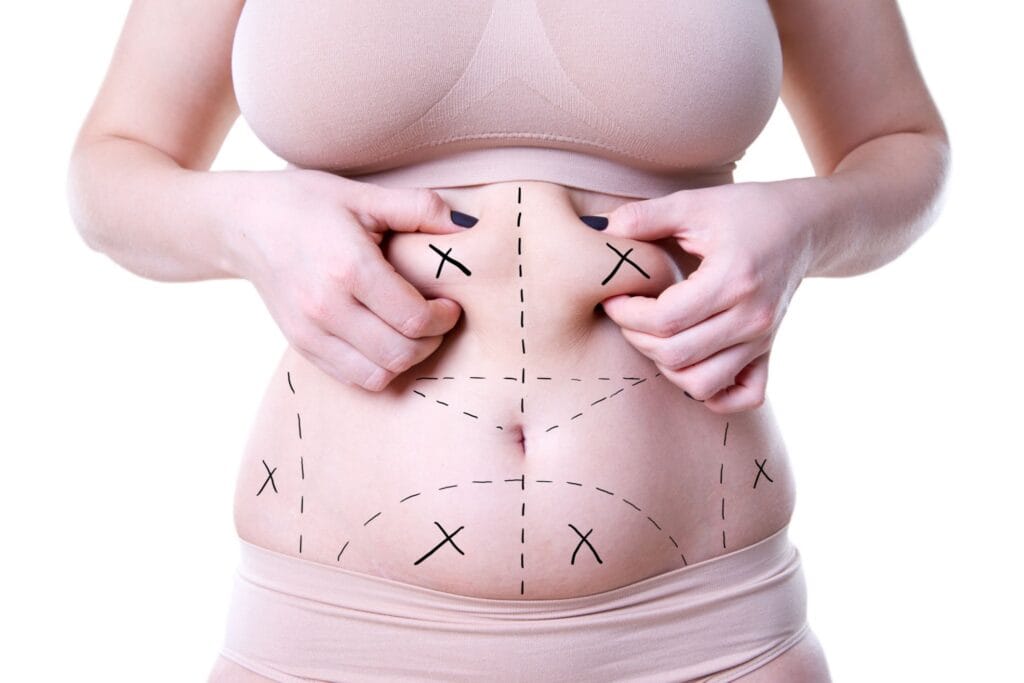
Begeistert von den transformativen Ergebnissen, die eine Lipektomie bringen kann, aber unsicher, wie Sie sich auf den Eingriff vorbereiten sollen? Sie sind nicht allein. Richtige Vor‑operative Vorbereitungen sind entscheidend für eine reibungslose Operation und optimale Erholung. Ob Sie eine Abdominoplastik, Brachioplastik oder Oberschenkelstraffung planen, das Verständnis der notwendigen Schritte vor Ihrer Lipiektomie kann den Unterschied in Ihrer Erfahrung und Ihren Ergebnissen ausmachen.
In diesem umfassenden Leitfaden führen wir Sie durch jeden Schritt der Vorbereitung auf eine Lipektomie, einschließlich:
- Wesentliche medizinische Untersuchungen und Tests die Sie vor der Operation benötigen.
- Lebensstil-Anpassungen, einschließlich Ernährung, Bewegung und Gewohnheiten zur Optimierung Ihrer Ergebnisse.
- Wie man den richtigen Chirurgen und die passende Einrichtung auswählen für Ihren Eingriff.
- Praktische Tipps für Ihr Zuhause und Ihr Unterstützungssystem vorbereiten für die postoperative Genesung.
Lassen Sie uns eintauchen und sicherstellen, dass Sie vollständig auf eine erfolgreiche Lipiektomie-Reise vorbereitet sind!

Inhaltsverzeichnis
1. Medizinische Untersuchungen und Tests
1.1. Erstkonsultation mit Ihrem Chirurgen
Ihre präoperative Reise beginnt mit einer Erstkonsultation bei Ihrem Chirurgen. Während dieses Termins wird Ihr Chirurg:
- Besprechen Sie Ihre medizinische Vorgeschichte und etwaige Vorerkrankungen.
- Bewerten Sie Ihre aktuellen Gesundheitszustand und die Eignung für eine Operation.
- Erklären Sie die Details des Eingriffs, einschließlich Risiken, Nutzen und erwarteter Ergebnisse.
- Bieten personalisierte Empfehlungen basierend auf Ihren individuellen Bedürfnissen und Zielen.
1.2. Erforderliche präoperative Tests
Vor Ihrer Lipektomie wird Ihr Chirurg wahrscheinlich mehrere präoperative Untersuchungen verlangen, um sicherzustellen, dass Sie für die Operation geeignet sind. Diese können Folgendes umfassen:
| Test | Zweck |
|---|---|
| Vollblutbild (CBC) | Bewertet die allgemeine Gesundheit und erkennt mögliche Probleme wie Anämie oder Infektionen |
| Gerinnungsprofil | Bewertet die Blutgerinnungsfähigkeit, um Blutungsrisiken zu minimieren |
| Elektrolyt-Panel | Überprüft das Elektrolytgleichgewicht, das für die Sicherheit bei Operationen entscheidend ist |
| EKG (Elektrokardiogramm) | Bewertet die Herzgesundheit und erkennt mögliche kardiale Probleme |
| Röntgenaufnahme des Brustkorbs | Bewertet den Zustand von Lunge und Herz |
1.3. Medikamentenüberprüfung und Anpassungen
Ihr Chirurg wird alle Medikamente und Nahrungsergänzungsmittel überprüfen, die Sie derzeit einnehmen. Einige müssen möglicherweise vor der Operation angepasst oder vorübergehend abgesetzt werden:
- Blutverdünner: Medikamente wie Aspirin, Warfarin oder entzündungshemmende Mittel müssen möglicherweise abgesetzt werden, um das Blutungsrisiko zu verringern.
- Pflanzliche Nahrungsergänzungsmittel: Einige Ergänzungen, wie Ginkgo biloba oder Knoblauch, können das Blutungsrisiko erhöhen und sollten vermieden werden.
- Hormonelle Medikamente: Antibabypillen oder Hormonersatztherapie müssen möglicherweise angepasst werden.
1.4. Präoperative Anweisungen von Ihrem Chirurgen
Ihr Chirurg wird Ihnen spezifische Anweisungen für die Tage vor Ihrer Lipectomie geben. Diese können Folgendes umfassen:
- Fastenrichtlinien (in der Regel keine Nahrung oder Getränke nach Mitternacht am Vorabend der Operation).
- Duschen mit einer speziellen antibakteriellen Seife am Vorabend oder am Morgen der Operation.
- Verzicht auf Alkohol und Rauchen für einen festgelegten Zeitraum vor der Operation.
- Organisation des Transports zum und vom Operationszentrum.
Profi-Tipp: Führen Sie eine detaillierte Liste aller Medikamente, Nahrungsergänzungsmittel und Dosierungen, die Sie Ihrem Chirurgen während der Konsultation mitteilen können. Dies stellt sicher, dass nichts bei der präoperativen Bewertung übersehen wird.

2. Lebensstiländerungen für optimale Ergebnisse
2.1. Ernährung und Diät
Eine angemessene Ernährung ist entscheidend, um Ihren Körper auf die Operation vorzubereiten und eine optimale Heilung zu fördern. Konzentrieren Sie sich auf:
- Proteinreiche Lebensmittel: Mageres Fleisch, Fisch, Eier und pflanzliche Proteine unterstützen die Gewebereparatur und Genesung.
- Vitamine und Mineralstoffe: Vitamine A, C und E sowie Zink fördern die Wundheilung und die Immunfunktion.
- Flüssigkeitszufuhr: Trinken Sie viel Wasser, um Ihren Körper hydratisiert zu halten und die allgemeine Gesundheit zu unterstützen.
- Vermeidung von verarbeiteten Lebensmitteln: Reduzieren Sie den Konsum von zuckerhaltigen, fettreichen oder verarbeiteten Lebensmitteln, die die Heilung behindern können.
2.2. Bewegung und körperliche Aktivität
Obwohl Sie intensive körperliche Anstrengungen in der Nähe Ihres OP-Termins vermeiden sollten, kann leichte körperliche Aktivität die Durchblutung und die allgemeine Gesundheit verbessern:
- Leichtes Cardiotraining: Spazierengehen oder sanftes Radfahren können die kardiovaskuläre Gesundheit verbessern, ohne den Körper zu belasten.
- Krafttraining: Konzentrieren Sie sich darauf, die Muskelspannung zu erhalten, vermeiden Sie jedoch schweres Heben oder intensive Workouts.
- Flexibilitätsübungen: Yoga oder Dehnübungen können die Beweglichkeit verbessern und Stress reduzieren.
2.3. Rauch- und Alkoholverzicht
Sowohl Rauchen als auch Alkohol können sich negativ auf Ihre Operation und Genesung auswirken:
- Rauchen: Erhöht das Risiko von Komplikationen, beeinträchtigt die Heilung und sollte mindestens 4-6 Wochen vor der Operation abgesetzt werden.
- Alkohol: Kann den Körper dehydrieren und negativ mit der Anästhesie interagieren. Vermeiden Sie Alkohol mindestens eine Woche vor der Operation.
2.4. Mentale und emotionale Vorbereitung
Sich mental und emotional auf Ihre Lipektomie vorzubereiten ist genauso wichtig wie die körperliche Vorbereitung:
- Realistische Erwartungen setzen: Verstehen Sie die Grenzen und möglichen Ergebnisse Ihres Eingriffs.
- Visualisieren Sie Ihre Ziele: Behalten Sie Ihre Gründe für die Lipektomie im Gedächtnis, um motiviert zu bleiben.
- Auf die Genesung vorbereiten: Bereiten Sie sich mental auf die Ausfallzeit und vorübergehende Einschränkungen während der Genesung vor.
Profi-Tipp: Erwägen Sie, ein Tagebuch zu führen, um Ihre Gedanken und Gefühle vor und nach der Operation zu dokumentieren. Dies kann Ihnen helfen, die emotionalen Aspekte Ihrer Transformationsreise zu verarbeiten.

3. Auswahl des richtigen Chirurgen und der Einrichtung
3.1. Auswahl eines board-zertifizierten plastischen Chirurgen
Die Wahl eines qualifizierten und erfahrenen Chirurgen ist einer der wichtigsten Schritte auf Ihrer Lipektomie‑Reise. Achten Sie auf:
- Board-Zertifizierung: Stellen Sie sicher, dass Ihr Chirurg von einer anerkannten Fachgesellschaft zertifiziert ist, wie zum Beispiel dem American Board of Plastic Surgery.
- Erfahrung: Suchen Sie einen Chirurgen mit umfangreicher Erfahrung in der Durchführung von Lipektomien.
- Patientenbewertungen: Lesen Sie Bewertungen und Erfahrungsberichte früherer Patienten, um Zufriedenheit und Ergebnisse einzuschätzen.
- Vorher-Nachher-Fotos: Betrachten Sie Fotos früherer Patienten, um die Fähigkeiten des Chirurgen und ästhetische Ergebnisse zu beurteilen.
3.2. Bewertung der chirurgischen Einrichtung
Die Einrichtung, in der Ihre Lipektomie durchgeführt wird, spielt eine bedeutende Rolle für Ihre Sicherheit und Ihren Komfort. Berücksichtigen Sie Folgendes:
- Akkreditierung: Stellen Sie sicher, dass die Einrichtung von einer anerkannten Organisation, wie der Joint Commission oder AAAASF, akkreditiert ist.
- Sicherheitsprotokolle: Vergewissern Sie sich, dass die Einrichtung strenge Sicherheits- und Hygienestandards einhält.
- Qualifikationen des Personals: Stellen Sie sicher, dass das medizinische Personal erfahren und gut ausgebildet ist, um Lipektomie‑Verfahren zu unterstützen.
- Komfort und Annehmlichkeiten: Berücksichtigen Sie den Komfort und die angebotenen Annehmlichkeiten, da diese Ihr Gesamterlebnis verbessern können.
3.3. Verständnis der Anästhesieoptionen
Ihr Chirurg wird während der Beratung die Anästhesieoptionen mit Ihnen besprechen. Häufige Optionen für die Lipektomie sind:
| Anästhesieart | Beschreibung | Überlegungen |
|---|---|---|
| Vollnarkose | Versetzt Sie für die Dauer der Operation in einen Bewusstseinsverlust | Erfordert einen Anästhesisten; geeignet für umfangreiche Eingriffe |
| Intravenöse (IV) Sedierung | Versetzt Sie in einen entspannten, halb‑bewussten Zustand | Wird oft mit lokaler Anästhesie kombiniert; geeignet für weniger umfangreiche Eingriffe |
| Lokalanästhesie | Betäubt nur den behandelten Bereich | Wird für kleinere Eingriffe oder in Kombination mit Sedierung verwendet |
3.4. Vorbereitung auf Ihren präoperativen Termin
Vor Ihrer Operation haben Sie einen präoperativen Termin, um Details zu finalisieren und sicherzustellen, dass Sie vollständig vorbereitet sind. Während dieses Termins:
- Überprüfen und unterschreiben Sie alle notwendigen Einwilligungsformulare.
- Erhalten Sie die endgültigen Anweisungen für den Operationstag.
- Klärung letzter Fragen oder Bedenken mit Ihrem Chirurgen.
- Bestätigen Sie die Nachsorgepläne und Folgetermine.
Profi-Tipp: Bringen Sie eine Liste mit letzten Fragen oder Bedenken zu Ihrem präoperativen Termin mit, um sicherzustellen, dass Sie sich vollständig vorbereitet und zuversichtlich fühlen, wenn Sie zur Operation gehen.
4. Praktische Vorbereitungen für Operation und Genesung
4.1. Vorbereitung Ihres Zuhauses für die Genesung
Ein komfortables und sicheres Erholungsumfeld zu Hause ist entscheidend für ein reibungsloses postoperatives Erlebnis:
- Erholungsbereich: Richten Sie einen bequemen Raum mit Kissen, Decken und leichtem Zugang zu wichtigen Dingen ein.
- Materialien: Vorräte an notwendigen Materialien wie Mullbinden, Verbänden, verschriebenen Medikamenten und lockerer, bequemer Kleidung anlegen.
- Zugänglichkeit: Sorgen Sie für einfachen Zugang zu Bad, Küche und anderen häufig genutzten Bereichen.
- Sicherheit: Entfernen Sie Stolperfallen und stellen Sie sicher, dass Ihr Zuhause für eingeschränkte Mobilität sicher ist.
4.2. Organisation der postoperativen Unterstützung
Ein Unterstützungssystem ist für Ihre Genesung unerlässlich. Berücksichtigen Sie Folgendes:
- Betreuer: Organisieren Sie einen Freund oder ein Familienmitglied, das Ihnen in den ersten 24–48 Stunden nach der Operation hilft.
- Transport: Stellen Sie sicher, dass Sie Transport zum und vom Operationszentrum sowie zu Nachsorgeterminen haben.
- Mahlzeitenvorbereitung: Bereiten Sie Mahlzeiten im Voraus zu oder organisieren Sie eine Essenslieferung während Ihrer ersten Erholungsphase.
- Kinder- oder Tierbetreuung: Falls zutreffend, organisieren Sie jemanden, der während Ihrer Genesung die Kinder- oder Tierbetreuung übernimmt.
4.3. Packen für Ihren Operationstag
Packen Sie eine Tasche mit wichtigen Gegenständen, die Sie am Tag Ihrer Operation mitnehmen:
- Bequeme, locker sitzende Kleidung, die Sie nach der Operation zu Hause tragen können.
- Alle verschriebenen Medikamente oder Nahrungsergänzungsmittel.
- Persönliche Hygieneartikel, wie Zahnbürste und Lippenbalsam.
- Unterhaltung, wie ein Buch, eine Zeitschrift oder ein Musikplayer, für Ihre Wartezeit.
- Wichtige Dokumente, einschließlich Ihres Ausweises, Ihrer Versicherungsinformationen und aller erforderlichen Formulare.
4.4. Abschluss-Checkliste vor der Operation
Verwenden Sie diese Checkliste, um sicherzustellen, dass Sie vollständig auf Ihre Lipiektomie vorbereitet sind:
| Aufgabe | Abgeschlossen |
|---|---|
| Beratung mit dem Chirurgen | |
| Voroperationelle Tests und Untersuchungen | |
| Medikamentenanpassungen wie angewiesen | |
| Organisiert postoperativen Support | |
| Zuhause für die Genesung vorbereitet | |
| Tasche für den OP-Tag gepackt | |
| Alle voroperativen Anweisungen befolgt |
Profi-Tipp: Gehen Sie einige Tage vor Ihrer Operation Ihre endgültige Checkliste durch, um sicherzustellen, dass Sie nichts übersehen haben. So haben Sie Zeit, letzte Vorbereitungen zu treffen.
Fazit: Ihr Weg zu einer erfolgreichen Lipektomie
Wichtige Erkenntnisse
- Eine ordnungsgemäße Vor‑operative Vorbereitungen sind für eine erfolgreiche Lipektomie und eine reibungslose Genesung unerlässlich.
- Medizinische Untersuchungen, Lebensstiländerungen und die Auswahl des richtigen Chirurgen und der richtigen Einrichtung sind entscheidende Schritte auf Ihrem Weg.
- Die Vorbereitung Ihres Zuhauses und Ihres Unterstützungssystems sorgt für ein komfortables und sicheres Genesungsumfeld.
- Die Befolgung der Anweisungen Ihres Chirurgen und mentale Vorbereitung können Ihre Gesamterfahrung und Ergebnisse erheblich verbessern.
Nächste Schritte
Bereit, den nächsten Schritt in Ihrer Lipiektomie-Reise zu gehen? Hier ist, was zu tun ist:
- Vereinbaren Sie einen Beratungstermin mit einem facharztlich geprüften plastischen Chirurgen um Ihre Ziele zu besprechen und personalisierte Empfehlungen zu erhalten.
- Alle erforderlichen medizinischen Untersuchungen und Tests durchzuführen, um sicherzustellen, dass Sie für die Operation geeignet sind.
- Befolgen Sie die Anweisungen Ihres Chirurgen präoperative Anweisungen um Ihren Körper und Geist auf den Eingriff vorzubereiten.
- Bereiten Sie Ihr Zuhause und Unterstützungssystem für eine komfortable und erfolgreiche Genesung vor.
Bei Chirurgieteam, wir sind verpflichtet, Sie während Ihrer Lipektomie-Reise zu unterstützen. Unser Team erfahrener Fachleute steht Ihnen mit personalisierter Betreuung und Anleitung in jedem Schritt zur Seite. Kontaktieren Sie uns noch heute, um einen Beratungstermin zu vereinbaren und den ersten Schritt zur Erreichung Ihrer Körperziele zu machen!
Häufig gestellte Fragen (FAQs)
1. Welche medizinischen Tests sind vor einer Lipektomie erforderlich?
Zu den üblichen präoperativen Tests gehören ein komplettes Blutbild (CBC), ein Gerinnungsprofil, ein Elektrolyt-Panel, ein EKG und ein Röntgenbild des Brustkorbs. Ihr Chirurg wird bestimmen, welche Tests basierend auf Ihrer Krankengeschichte und dem Umfang des Eingriffs notwendig sind.
2. Wie sollte ich mein Zuhause für die Genesung nach einer Lipektomie vorbereiten?
Richten Sie einen komfortablen Erholungsbereich mit Kissen, Decken und leichtem Zugang zu wichtigen Dingen ein. Lagern Sie notwendige Vorräte, entfernen Sie Stolperfallen und organisieren Sie eine Betreuungsperson, die Ihnen während der ersten Erholungsphase hilft.
3. Kann ich meine regulären Medikamente vor einer Lipektomie einnehmen?
Ihr Chirurg wird alle Medikamente und Nahrungsergänzungsmittel, die Sie einnehmen, überprüfen und spezifische Anweisungen geben. Einige Medikamente, insbesondere Blutverdünner, müssen möglicherweise vor der Operation angepasst oder vorübergehend abgesetzt werden.
4. Was sollte ich vor einer Lipektomie essen?
Konzentrieren Sie sich in den Wochen vor Ihrer Operation auf eine ausgewogene Ernährung, die reich an Protein, Vitaminen und Mineralien ist. Vermeiden Sie verarbeitete Lebensmittel und bleiben Sie hydriert. Ihr Chirurg wird spezifische Fastenrichtlinien für den Tag vor Ihrem Eingriff bereitstellen.
5. Wie wähle ich den richtigen Chirurgen für meine Lipektomie aus?
Suchen Sie nach einem board-zertifizierten plastischen Chirurgen mit umfangreicher Erfahrung in Lipektomie-Verfahren. Lesen Sie Patientenbewertungen, prüfen Sie Vorher-Nachher-Fotos und vereinbaren Sie einen Beratungstermin, um Ihre Ziele zu besprechen und deren Vorgehensweise zu bewerten.
6. Was sollte ich für meinen Lipektomie-Operationstag einpacken?
Packen Sie bequeme, locker sitzende Kleidung, verschriebene Medikamente, persönliche Hygieneartikel, Unterhaltung und wichtige Dokumente ein. Ihr Chirurg wird Ihnen eine detaillierte Liste mitzubringen geben.
7. Wie lange vor einer Lipektomie sollte ich mit dem Rauchen aufhören?
Es wird empfohlen, mindestens 4-6 Wochen vor Ihrer Lipiektomie mit dem Rauchen aufzuhören. Rauchen kann das Risiko von Komplikationen erhöhen und die Heilung beeinträchtigen, daher ist ein so früh wie möglicher Rauchstopp vorteilhaft.
8. Welche Lebensstilanpassungen sollte ich vor einer Lipektomie vornehmen?
Konzentrieren Sie sich auf eine gesunde Ernährung, ausreichende Flüssigkeitszufuhr, leichte körperliche Aktivität und das Vermeiden von Rauchen und Alkohol. Bereiten Sie sich mental auf den Eingriff und die Genesung vor, indem Sie realistische Erwartungen setzen und Ihre Ziele visualisieren.
Unsere Chirurgen und angeschlossenen Fachleute
Bei Surgyteam sind wir stolz darauf, mit einem angesehenen Team von medizinischen Fachkräften zusammenzuarbeiten, die jeweils über umfangreiche Expertise und ein Engagement für patientenorientierte Versorgung verfügen.
- Dr. Mehmet Fatih Okyay (Dr. MFO): Facharzt für plastische, rekonstruktive und ästhetische Chirurgie. Mitbegründer von Surgyteam. FEBOPRAS zertifiziert. (https://www.dr-mfo.com/)
- Dr. Selçuk Yılmaz: Facharzt für plastische, rekonstruktive und ästhetische Chirurgie. (https://drselcukyilmaz.com)
- Dr. Ebru Okyay: Fachärztin für Dermatologie. (https://drebruokyay.com/)
- Dr. Mustafa Keleş: Facharzt für ästhetische, plastische und rekonstruktive Chirurgie. (https://www.medstar.com.tr/doktorlar/mustafa-keles/)
- Dr. Boray Yücel: Facharzt für plastische, rekonstruktive und ästhetische Chirurgie. (https://borayucel.com/)
- Dr. Sibel Atalay: Fachärztin für plastische, rekonstruktive und ästhetische Chirurgie. Klinik mit Zertifikat für internationalen Medizintourismus. (https://www.sibelatalay.com.tr/)
- Dr. Mert Meral: Facharzt für plastische, rekonstruktive und ästhetische Chirurgie. EBOPRAS zertifiziert. (https://mertmeral.com/)
Um mehr über Surgyteam zu erfahren und wie wir Ihnen helfen können, besuchen Sie bitte unsere Website:
https://surgyteam.com/
Haftungsausschluss: Dieser Blogbeitrag dient ausschließlich Informationszwecken und stellt keine medizinische Beratung dar. Die Kosten sind Schätzungen und können variieren. Konsultieren Sie stets einen qualifizierten Mediziner für persönliche Beratung und Behandlung.