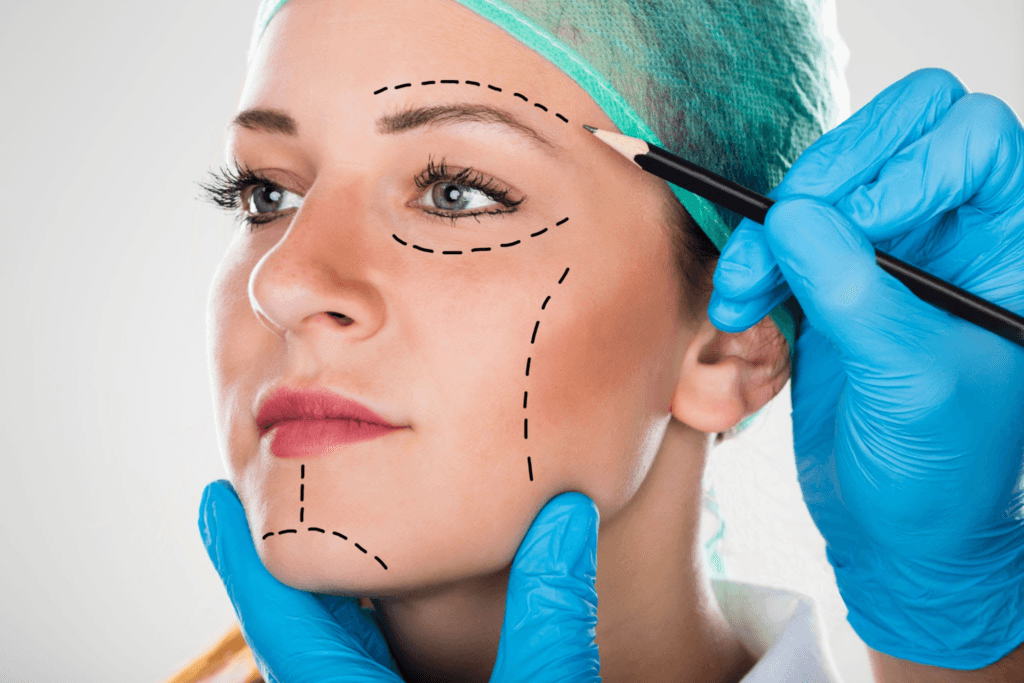
Stai pensando di fare un lifting all'estero? Mentre l'idea di combinare risparmio sui costi con un aspetto ringiovanito è entusiasmante, garantire la tua sicurezza e il successo inizia molto prima dell'intervento stesso. Test pre-operatori e consulenze sono passaggi critici per ridurre i rischi, ottimizzare i risultati e assicurarsi di essere un candidato idoneo alla procedura. Questo guida completa delinea i test pre-operatori essenziali, le consulenze e le preparazioni necessarie prima di sottoporsi a un lifting all'estero. Dalle valutazioni mediche alle considerazioni legali, copriremo tutto ciò che devi sapere per prepararti con fiducia e sicurezza per il tuo percorso di lifting facciale.
Sommario
Perché i test pre-operatori e le consulenze sono fondamentali
Sottoporsi a un lifting, soprattutto in un paese straniero, comporta rischi e sfide unici. I test e le consultazioni pre-operatorie aiutano:
1. Valutare la tua salute e l'idoneità
- Identificare condizioni mediche sottostanti (ad esempio, ipertensione, diabete) che potrebbero aumentare i rischi chirurgici.
- Assicurati di essere in forma fisica per l'anestesia e l'intervento.
2. Riduci le complicazioni
- Rileva disturbi della coagulazione, allergie o infezioni che potrebbero compromettere la guarigione.
- Regola farmaci o integratori che possono aumentare i rischi di sanguinamento (ad es., aspirina, olio di pesce).
3. Personalizza il tuo piano chirurgico
- Aiuta il tuo chirurgo personalizza la procedura secondo il tuo anatomia facciale unica e le preoccupazioni legate all'invecchiamento.
- Discuti aspettative realistiche E possibili risultati in base alla tua salute e condizione della pelle.
4. Garantire la conformità legale ed etica
- Verifica che il clinica e il chirurgo rispettino gli standard internazionali di sicurezza (ad esempio, ISAPS, JCI).
- Conferma consenso informato E copertura assicurativa per malpratica per i pazienti internazionali.
5. Pianifica un recupero senza intoppi
- Ricevi istruzioni post-operatorie dettagliate personalizzato per il tuo storia medica e tipo di procedura.
- Organizza cura di follow-up E procedure di emergenza prima di viaggiare.
Punto chiave: Saltare i test{pre-operatori} e le consulenze può portare a gravi complicazioni, risultati scadenti o addirittura problemi legali. Prioritizza sempre una preparazione accurata per un lifting sicuro e di successo all'estero.

Test pre-operatori essenziali per un lifting facciale all'estero
1. Esami del sangue
Perché sono importanti
Gli esami del sangue valutano la tua salute generale, la capacità di coagulazione e i rischi di infezione, che sono fondamentali per un intervento chirurgico e un'anestesia sicuri.
Analisi del sangue richieste
| Test | Scopo | Intervallo normale |
|——————————|———————————————————————————————–|————————————–|
| Emocromo completo (CBC) | Controlla la anemia, infezioni o disturbi del sangue che potrebbero influire sulla guarigione. | Emoglobina: 12-16 g/dL (donne), 14-18 g/dL (uomini) |
| Pannello di coagulazione (PT/INR, PTT) | Valuta capacità di coagulazione del sangue per prevenire sanguinamenti eccessivi durante l'intervento chirurgico. | INR: 0.8-1.2 |
| Pannello metabolico di base (BMP) | Valuta funzione renale, elettroliti e glucosio nel sangue per la sicurezza dell'anestesia. | Glucosio: 70-99 mg/dL |
| Test di Funzione Epatica (LFT) | Garantisce che il tuo fegato possa metabolizzare anestesia e farmaci post-operatorio. | ALT: 7-56 U/L, AST: 10-40 U/L |
| Screening HIV/HEP/HBV | Effettua il controllo per malattie infettive che potrebbero complicare l'intervento o il recupero. | Risultati negativi |
Consiglio professionale: Alcune cliniche all'estero richiedono test aggiuntivi (ad es., test della funzione tiroidea) in base alla tua storia medica. Conferma sempre i requisiti esatti con il tuo chirurgo.
2. Valutazione Cardiaca
Perché è importante
Anestesia e chirurgia stressare il cuore, rendendo essenziali le valutazioni cardiache per pazienti sopra i 40 anni o con una storia di malattie cardiache.
Test cardiaci richiesti
| Test | Scopo | Intervallo normale |
|——————————|———————————————————————————————–|————————————–|
| Elettrocardiogramma (ECG) | Rileva ritmi cardiaci irregolari o ischemia che potrebbero comportare rischi durante l'anestesia. | Ritmo sinusale normale |
| Ecocardiogramma | Valuta struttura e funzione del cuore per pazienti con problemi cardiaci noti. | Frazione di eiezione: 50-70% |
| Test da sforzo (se necessario) | Valuta la risposta del cuore allo stress per pazienti ad alto rischio. | Nessuna ischemia o aritmie |
Consiglio professionale: Se hai una storia di malattie cardiache, il tuo chirurgo potrebbe richiedere autorizzazione da un cardiologo prima di procedere.

3. Test allergico
Perché è importante
Reazioni allergiche a anestesia, antibiotici o materiali chirurgici possono essere potenzialmente letale. Il test garantisce la tua sicurezza durante e dopo l'intervento.
Test allergici comuni
- Test cutaneo prick: Identifica le allergie a lattice, antibiotici (ad es., penicillina) o componenti dell'anestesia.
- Esame del sangue (IgE): Rileva anticorpi allergici specifici a farmaci o materiali utilizzati nella chirurgia.
Consiglio professionale: Informa il tuo chirurgo di tutte le allergie conosciute, inclusi cibo, farmaci o fattori ambientali.
4. Test di imaging
Perché sono importanti
L'imaging aiuta il tuo chirurgo a pianificare la procedura E a evitare complicazioni (ad es., danni ai nervi, asimmetria).
Test di imaging richiesti
| Test | Scopo |
|——————————|———————————————————————————————–|
| Imaging facciale 3D | Crea un modello digitale del tuo viso per simulare i risultati e pianificare le incisioni. |
| TC (se necessario) | Valuta la struttura ossea e la simmetria facciale per procedure complesse. |
| Ecografia (per opzioni non chirurgiche) | Valuta spessore e elasticità della pelle per sollevamenti a fili o filler. |
Consiglio professionale: Immagini 3D è particolarmente utile per visualizzare i risultati attesi e garantire risultati simmetrici.

Consultazioni preoperatorie obbligatorie
1. Consultazione iniziale virtuale o in presenza con il tuo chirurgo
Perché è importante
Questa consultazione determina se sei un candidato idoneo per un lifting facciale e aiuta personalizzare il tuo piano chirurgico.
Cosa discutere
- I tuoi obiettivi: Cosa speri di ottenere? (ad es., definizione della linea della mascella, riduzione delle rughe, lifting del collo).
- Storia medica: Rivela tutte le precedenti operazioni, condizioni croniche e farmaci.
- Opzioni di procedura: Lifting tradizionale, sollevamento SMAS, mini lifting, o alternative non chirurgiche (ad es., lifting con fili, filler).
- Opzioni di anestesia: Anestesia generale vs. anestesia locale con sedazione.
- Rischi e complicazioni: Danni ai nervi, cicatrici, infezioni, o rischi di asimmetria.
- Tempistica di recupero: Previsto tempo di inattività, cure post-operatorie e piano di follow-up.
- Costo e piani di pagamento: Costo totale, cosa è incluso, e opzioni di finanziamento.
Consiglio professionale: Porta foto dei risultati desiderati per aiutare il tuo chirurgo a comprendere i tuoi obiettivi estetici.
2. Consultazione Anestesista
Perché è importante
L'anestesia è uno dei aspetti a più alto rischio della chirurgia di lifting. Questa consultazione garantisce che tu sia sicuro per l'anestesia e aiuta a prevenire complicazioni.
Cosa discutere
- Tipo di Anestesia: Anestesia generale vs. anestesia locale con sedazione.
- Allergie o Reazioni Precedenti: Qualsiasi reazione avversa all'anestesia o ai farmaci.
- Condizioni mediche: Malattie cardiache, problemi polmonari o apnea notturna che potrebbero influire sulla sicurezza dell'anestesia.
- Istruzioni per il Digiuno: Per quanto tempo evitare cibo/acqua prima dell'intervento.
- Cura Post-Anestesia: Cosa aspettarsi immediatamente dopo il risveglio (es. nausea, vertigini).
Consiglio professionale: Chiedi del esperienza dell'anestesista E procedure di emergenza in caso di complicazioni.
3. Autorizzazione medica preoperatoria dal tuo medico di base
Perché è importante
Il tuo medico di base può identificare condizioni non diagnosticate che potrebbero influire sull'intervento e assicurarsi che tu sia idoneo per la procedura.
Cosa discutere
- Valutazione della salute generale: Sei idoneo per l'intervento chirurgico?
- Revisione dei farmaci: Quali farmaci interrompere o aggiustare prima dell'intervento (ad es., anticoagulanti, FANS).
- Gestione delle condizioni croniche: Come gestire diabete, ipertensione o problemi tiroidei perioperatoriamente.
- Piano di cura post-operatoria: Coordina con il tuo medico locale per le cure di follow‑up dopo il ritorno a casa.
Consiglio professionale: Richiedi una lettera di autorizzazione scritta dal tuo medico da condividere con il chirurgo all'estero.
4. Consulenza Nutrizionale
Perché è importante
Nutrizione corretta accelera la guarigione, riduce il gonfiore e minimizza le cicatrici. Una consulenza nutrizionale garantisce che tu sia ottimizzando la tua dieta per il recupero.
Cosa discutere
- Dieta pre-operatoria: Alimenti da mangiare o evitare prima dell'intervento (ad es., alimenti anti-infiammatori, idratazione).
- Dieta post-operatoria: Nutrienti che favoriscono la guarigione (ad es., proteine, vitamina C, zinco).
- Integratori: Quali vitamine o integratori da prendere (ad es., arnica per lividi, bromelina per gonfiore).
- Idratazione: Quanto acqua da bere prima e dopo l'intervento.
Consiglio professionale: Inizia un piano nutrizionale pre-operatorio almeno 2 settimane prima dell'intervento a potenzia il tuo sistema immunitario.
Considerazioni legali ed etiche prima di un lifting facciale all'estero
1. Consenso Informato
Perché è importante
Il consenso informato garantisce che tu comprenda pienamente i rischi, i benefici e le alternative della procedura.
Cosa verificare
- Modulo di consenso scritto: Deve essere tradotto nella tua lingua E firmato prima dell'intervento.
- Rischi e complicazioni: Delinea chiaramente potenziali problemi (ad es., danni ai nervi, cicatrici, asimmetria).
- Alternative: Discute opzioni non chirurgiche (ad es., sollevamenti con fili, filler, trattamenti laser).
- Credenziali del Chirurgo: Conferma che il chirurgo è certificato dal consiglio (ISAPS o equivalente locale).
- Accreditamento della clinica: Garantisce che la struttura sia accreditata JCI o rispetti gli standard di sicurezza locali.
Consiglio professionale: Non firmare mai un modulo di consenso che non comprendi completamente. Chiedi un traduzione o revisione legale se necessario.
2. Assicurazione contro gli errori medici
Perché è importante
Se si verificano complicazioni, assicurazione contro gli errori medici ti garantisce ricorso legale e protezione finanziaria.
Cosa verificare
- Polizza assicurativa della clinica: Copre pazienti internazionali per complicazioni o revisioni.
- Assicurazione di Responsabilità del Chirurgo: Protegge contro errori chirurgici o negligenza.
- Leggi locali: Comprendi le protezioni legali per i turisti medici nel tuo paese di destinazione.
Consiglio professionale: Richiedi una copia della polizza assicurativa della clinica e conferma che copre la tua procedura specifica.
3. Assicurazione di Viaggio e Medica
Perché è importante
Assicurazione di viaggio standard non copre la chirurgia estetica. Specializzato assicurazione per il turismo medico è essenziale per complicazioni, cancellazioni del viaggio o emergenze.
Cosa cercare
- Copertura delle complicazioni: Copre infezioni post-operatorie, ematomi o revisioni.
- Cancellazione del viaggio: Rimborsa depositi non rimborsabili se devi cancellare.
- Evacuazione d'emergenza: Copre trasporto medico ritorno al tuo paese di origine se necessario.
- Cura post-operatoria: Include Consultazioni virtuali con il tuo chirurgo dopo il ritorno.
Consiglio professionale: Confronta le polizze da Allianz, AXA o SafetyWing per trovare il miglior copertura per le tue esigenze.
Lista di controllo preoperatoria passo passo
4-6 settimane prima dell'intervento
- [ ] Ricerca e scegli un chirurgo certificato dal consiglio (ISAPS o equivalente locale).
- [ ] Verifica l'accreditamento della clinica (JCI, ISO o ministero della salute locale).
- [ ] Prenota una consulenza virtuale con il tuo chirurgo.
- [ ] Completa gli esami del sangue e le valutazioni cardiache richiesti localmente o all'estero.
- [ ] Ottieni l'autorizzazione medica dal tuo medico di base.
- [ ] Acquista un'assicurazione per il turismo medico coprendo complicazioni ed emergenze.
- [ ] Inizia un piano nutrizionale pre-operatorio (dieta antinfiammatoria, idratazione, integratori).
2 settimane prima dell'intervento
- [ ] Sospendi i farmaci anticoagulanti (aspirina, ibuprofene, olio di pesce).
- [ ] Evitare alcol e fumo per migliorare la guarigione.
- [ ] Confermare i piani di viaggio e alloggio (voli diretti, hotel adatti al recupero).
- [ ] Imballare le forniture post-operatorie essenziali (indumenti compressivi, creme per cicatrici, farmaci).
- [ ] Organizzare un assistente per assistere nelle prime 48 ore post-operatorie.
1 settimana prima dell'intervento
- [ ] Consultazione virtuale finale con il tuo chirurgo per rivedere il piano chirurgico.
- [ ] Confermare le istruzioni per il digiuno (tipicamente 8-12 ore prima dell'intervento).
- [ ] Preparare lo spazio di recupero (cuscini, impacchi di ghiaccio, intrattenimento).
- [ ] Organizza il trasporto post-operatorio dalla clinica al tuo hotel.
- [ ] Rivedi le informazioni di contatto di emergenza per il tuo chirurgo e l'ospedale locale.
Il giorno prima dell'intervento
- [ ] Idratati adeguatamente ma segui le linee guida per il digiuno (nessun cibo/acqua dopo mezzanotte).
- [ ] Fai una doccia con sapone antibatterico per ridurre il rischio di infezione.
- [ ] Evita trucco, lozioni o gioielli il giorno dell'intervento.
- [ ] Dormi bene la notte per favorire la guarigione.
- [ ] Conferma l'orario dell'intervento E trasporto verso la clinica.
Errori comuni da evitare prima di un lifting facciale all'estero
1. Saltare i test pre-operatori
- Rischio: Condizioni non diagnosticate (ad es., disturbi della coagulazione, problemi cardiaci) possono portare a gravi complicazioni.
- Soluzione: Completa tutti i test richiesti e condividi i risultati con il tuo chirurgo.
2. Scegliere un chirurgo basandosi solo sul costo
- Rischio: I chirurghi a basso costo possono mancare di credenziali o esperienza, portando a risultati scarsi o complicazioni.
- Soluzione: Dare priorità certificazione del consiglio (ISAPS) e recensioni dei pazienti sul prezzo.
3. Mancata divulgazione della storia medica
- Rischio: Condizioni nascoste (ad es., diabete, ipertensione) possono compromettere la sicurezza e la guarigione.
- Soluzione: Sii completamente trasparente sulla tua salute, i farmaci e le allergie.
4. Ignorare l'assicurazione di viaggio
- Rischio: Le complicazioni all'estero possono portare a alte spese mediche o problemi legali senza copertura.
- Soluzione: Acquista assicurazione per il turismo medico che copre emergenze e revisioni.
5. Volare troppo presto dopo l'intervento
- Rischio: Aumento del gonfiore, coaguli di sangue o ematomi a causa della pressione della cabina.
- Soluzione: Attendere almeno 10-14 giorni prima di volare (o come consigliato dal tuo chirurgo).
Esperienze reali dei pazienti: lezioni apprese
Studio di caso 1: Processo pre-operatorio fluido in Corea del Sud
- Paziente: Donna di 55 anni dal Canada.
- Destinazione: Seoul, Corea del Sud.
- Esperienza: “Il mio chirurgo ha richiesto esami del sangue, ECG e imaging 3D prima di approvare il mio lifting SMAS. Il consultazione virtuale mi ha aiutato a capire il rischi e piano di recupero.”
- Lezione: “Non saltare i test pre-operatori—mi hanno assicurato di essere un buon candidato e ha evitato complicazioni.”
Studio di caso 2: Complicazioni dovute a consulti saltati in Messico
- Paziente: Uomo di 48 anni dagli Stati Uniti.
- Destinazione: Tijuana, Messico.
- Esperienza: “Io non ho divulgato la mia pressione alta per risparmiare tempo. Dopo l'intervento, ho avuto emorragia eccessiva e ho avuto bisogno di un revisione.”
- Lezione: “Sii sempre onesto sulla tua salute—non ne vale il rischio!”
Studio di caso 3: Test pre-operatori dell'ultimo minuto in Turchia
- Paziente: Donna di 50 anni dal Regno Unito.
- Destinazione: Istanbul, Turchia.
- Esperienza: “La mia clinica richiedeva esami del sangue dell'ultimo minuto all'arrivo. Io ero stressato ma sollevato che hanno individuato un problema di coagulazione prima dell'intervento.”
- Lezione: “Completa gli esami in anticipo per evitare sorprese.”
Conclusione
Punti chiave
- Esami preoperatori (analisi del sangue, valutazioni cardiache, imaging) sono essenziale per chirurgia sicura e risultati ottimali.
- Consultazioni con il tuo chirurgo, anestesista e medico di base assicurati di essere completamente preparato per la procedura.
- Considerazioni legali ed etiche (consenso informato, assicurazione contro gli errori medici, assicurazione di viaggio) proteggerti da rischi e complicazioni.
- Evita errori comuni come saltare i test, nascondere la storia medica o volare troppo presto dopo l'intervento.
Prossimi passi
- Ricerca e scegli un chirurgo certificato ISAPS nella destinazione desiderata.
- Prenota una consulenza virtuale per discutere il tuo obiettivi, storia medica e piano chirurgico.
- Completa tutti i test pre-operatori richiesti (esami del sangue, ECG, test allergici) e ottieni l'autorizzazione medica.
- Acquista un'assicurazione per il turismo medico per coprire complicazioni ed emergenze.
- Segui le istruzioni pre-operatorie del tuo chirurgo (dieta, farmaci, digiuno) per ottimizzare la guarigione.
- Pianifica la logistica del viaggio e del recupero (voli, alloggi, cure post-operatorie).
Seguendo questo guida passo-passo, sarai completamente preparato per un sicuro, un lifting di successo all'estero—ottenendo il aspetto giovanile e ringiovanito che desideri riducendo al minimo i rischi e garantendo un recupero fluido.
I nostri chirurghi e professionisti affiliati
In Surgyteam, siamo orgogliosi di collaborare con un team distinto di professionisti medici, ognuno dei quali porta una grande esperienza e un impegno verso un'assistenza centrata sul paziente.
- Dr. Mehmet Fatih Okyay (Dr. MFO): Specialista in Chirurgia Plastica, Ricostruttiva ed Estetica. Co-fondatore di Surgyteam. Certificato FEBOPRAS. (https://www.dr-mfo.com/)
- Dr. Selçuk Yılmaz: Specialista in Chirurgia Plastica, Ricostruttiva ed Estetica. (https://drselcukyilmaz.com)
- Dr. Ebru Okyay: Specialista in Dermatologia. (https://drebruokyay.com/)
- Dott. Mustafa Keleş: Specialista in chirurgia estetica, plastica e ricostruttiva. (https://www.medstar.com.tr/doktorlar/mustafa-keles/)
- Dott. Boray Yücel: Specialista in chirurgia plastica, ricostruttiva ed estetica. (https://borayucel.com/)
- Dott.ssa Sibel Atalay: Specialista in Chirurgia Plastica, Ricostruttiva ed Estetica. Clinica con Certificato di Autorizzazione al Turismo Sanitario Internazionale.https://www.sibelatalay.com.tr/)
- Dott. Mert Meral: Specialista in chirurgia plastica, ricostruttiva ed estetica. Certificato EBOPRAS. (https://mertmeral.com/)
Per saperne di più su Surgyteam e su come possiamo aiutarti, visita il nostro sito web:
https://surgyteam.com/
Disclaimer: questo articolo del blog ha solo scopo informativo e non costituisce consulenza medica. I costi sono stimati e possono variare. Consultare sempre un medico qualificato per consigli e trattamenti personalizzati.