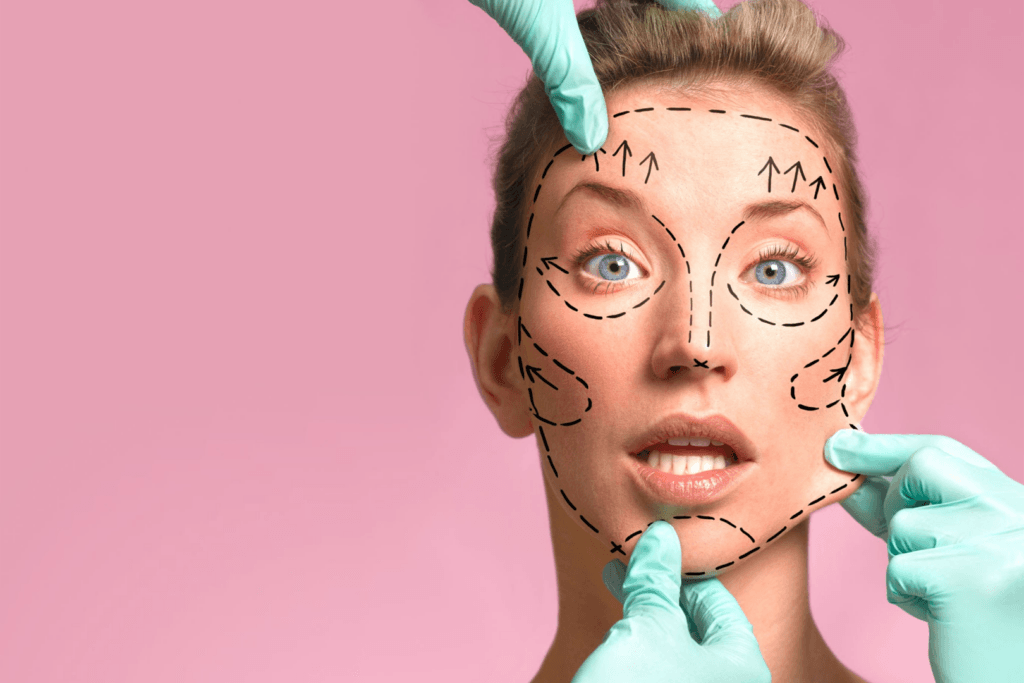
Şöyle hayal edin: Bir kliniğe giriyorsunuz; tam yüz germe işleminin zamanı geri almanın tek yolu olduğuna ikna olmuş halde. Yorgun gözlerinizi ve sarkık yanaklarınızı düzeltmek bir yana, size doğal olmayan, “rüzgar yemiş” bir görünüm bırakan bir işlemle ayrılıyorsunuz. Bu sadece bir varsayım değil—yanlış yüz gençleştirme ameliyatını farkında olmadan alan birçok kişi için gerçek. Gerçek şu ki; orta yüz germe, özel ve sıklıkla göz ardı edilen bir işlem, orta yüz yaşlanmasıyla mücadele edenler için doğal, uyumlu sonuçların anahtarıdır. Ancak birçok cerrah tam yüz germeyi tek beden herkese uyar çözüm olarak dayatıyor ve hastaları hedefleriyle örtüşmeyen sonuçlarla bırakıyor.
2026'da yüz gençleştirme konusundaki sohbet evrimleşti. Hastalar artık genel, aşırı yapılmış sonuçlarla tatmin olmuyor. Hassasiyet, doğal hatlar ve içlerindeki hissi yansıtan tazelenmiş bir görünüm istiyorlar. İşte orta yüz germe burada devreye giriyor. Daha çok alt yüz ve boynu hedefleyen tam yüz germe operasyonunun aksine, orta yüz germe yanaklara, göz altı bölgesine ve nazolabial kıvrımlara odaklanır—yaşlanmanın en erken belirtilerini gösteren bölgeler. Peki neden bu kadar çok cerrah hâlâ yanlış prosedürü öneriyor? Ve doğru germe operasyonunu aldığınızdan nasıl emin olabilirsiniz?
İçindekiler
Orta Yüz: Yaşlanmanın Merkez Noktası
Yaşlanma yüzün her yerinde aynı şekilde gerçekleşmez. Yanaklar, göz altı bölgesi ve nazolabial kıvrımların etrafındaki bölgeyi kapsayan orta yüz, genellikle ilk olarak aşınma belirtilerini gösterir. Zamanla, yanak yağ pedleri (yanaklarınıza genç dolgunluğunu veren yağ birikintileri) aşağı doğru kayar ve boş, yorgun bir görünüm ortaya çıkar. Cilt elastikiyetini kaybeder ve alt göz kapakları ile yanaklar arasındaki bir zamanlar pürüzsüz geçiş bozulur, göz altı torbaları ve derinleşen kıvrımlar oluşur. Bu değişiklikler sadece kozmetik değildir; özgüveninizi ve başkalarının enerji ve canlılığınızı algılayışını önemli ölçüde etkileyebilir.
Yayınlanan araştırma Plastic and Reconstructive Surgery orta yüz yaşlanmasının yumuşak doku düşüşü, hacim kaybı ve kemik yeniden şekillenmesiyle karakterize olduğunu vurguluyor. Alt yüzün, cilt gevşekliğinin ana sorun olduğu bölgesinin aksine, orta yüz hem hacim restorasyonu hem de yapısal destek gerektiren nüanslı bir yaklaşım ister. Bu yüzden, esas olarak alt yüz ve boyun bölgesindeki cilt ve alt dokuları sıkılaştıran tam yüz germe, orta yüz sorunları için doğal sonuçlar sunmada genellikle yetersiz kalır (PubMed, 2022).
Neden Tam Yüz Germe, Orta Yüz Yaşlanması İçin Çözüm Değildir
Tam yüz germe güçlü bir prosedürdür, ancak orta yüz yaşlanmasının benzersiz zorluklarını ele almak için tasarlanmamıştır. İşte nedeni:
- Yanlış Odak: Tam yüz germe öncelikle çene hattı, çene altı ve boyun bölgesine odaklanır. Bu alanlar önemli olsa da, orta yüzdeki malar yağ pedlerinin hacim kaybı ve düşüşünü çözmez. Bu, hastaların alt yüzü sıkılaştırılmış ama hâlâ yorgun, boş bir orta yüze sahip kalmasına yol açabilir.
- Doğal Olmayan Sonuçlar: Tam yüz germe orta yüz sorunlarını ele almaya çalıştığında, cilt genellikle yanlara (yatay) çekilir ve bu da doğal olmayan, “çekilmiş” bir görünüm yaratır. Hastaların korktuğu ve haklı olarak kaçındığı ünlü “rüzgârda savrulmuş” görünüm budur. Orta yüz, doğal konturları geri kazandırmak ve bozulmayı önlemek için dikey bir kaldırma gerektirir.
- Tamamlanmamış Gençleştirme: Orta yüz, birden fazla yağ, kas ve bağ doku katmanına sahip karmaşık bir anatomik bölgedir. Tam yüz germe, suborbicularis oculi yağı (SOOF) düşüşü veya derin medial yanak yağının atrofi gibi yaşlanmayla birlikte meydana gelen derin yapısal değişiklikleri ele almaz. Bu katmanlar hedeflenmediğinde, sonuçlar düz ve doğal olmayan görünebilir.
2025 yılında yapılan bir çalışmada belirtildiği gibi Bilimsel Editöryal, orta yüz kaldırma tekniklerinin göz çukuru deformasyonlarını, nazolabial kıvrımları ve yanak projeksiyon kaybını düzeltmek için özellikle gösterildiği; bu alanların tam yüz germe ile etkili bir şekilde ele alınamadığı (Bilimsel Editöryal, 2025).
Orta Yüz Germe: Doğal Sonuçlar İçin Hassas Gençleştirme
Orta yüz kaldırma, yanaklar, göz altı bölgesi ve nazolabial kıvrımlara genç konturları geri kazandırmak için tasarlanmış özel bir prosedürdür. Deri sıkılaştırmaya dayanan tam yüz germe işleminden farklı olarak, orta yüz kaldırma, alttaki yağ pedlerini ve destek yapılarını orijinal, genç konumlarına yeniden konumlandırmaya odaklanır. Bu yaklaşım, sadece doğal değil aynı zamanda uzun süreli sonuçlar sunar.
Orta Yüz Germe Nasıl Çalışır
Orta yüz kaldırma, hastanın benzersiz anatomisine ve hedeflerine göre uyarlanmış çeşitli tekniklerle gerçekleştirilebilir. İşte en etkili yaklaşımların bir özeti:
- Subperiosteal Orta Yüz Kaldırma: Bu teknik, orta yüz dokularını kemikten kaldırarak malar yağ pedleri ve SOOF'un kapsamlı bir şekilde yeniden konumlandırılmasını sağlar. Özellikle belirgin hacim kaybı ve sarkması olan hastalar için etkilidir. Subperiosteal yaklaşım güçlü, dayanıklı destek sağlar ve genellikle minimal skar için endoskopik tekniklerle birleştirilir (PubMed, 2005).
- Transblefaroplasti Orta Yüz Kaldırma: Bu yaklaşım, orta yüz dokularına erişmek ve kaldırmak için alt göz kapağında bir kesi kullanır. Alt göz kapağı gençleştirmesi de gerektiren hastalar için idealdir, çünkü göz altı torbaları ve orta yüz sarkmasının aynı anda düzeltilmesini sağlar. Transblefaroplasti tekniği minimal invazivdir ve görünür bir iz bırakmaz.
- Endoskopik Orta Yüz Kaldırma: Saç çizgisine gizlenmiş veya ağız içinde küçük kesiler kullanarak, bu teknik bir endoskop (küçük bir kamera) ile orta yüz dokularının kaldırılmasını ve yeniden konumlandırılmasını yönlendirir. Geniş deri çıkarımı gerektirmeyen erken yaşlanma belirtileri olan hastalar için mükemmel, iz bırakmayan bir seçenektir.
- Dual-Plan Orta Yüz Kaldırma: Bu gelişmiş teknik, subperiosteal ve subkutan diseksiyonu birleştirerek orta yüzün birden fazla katmanındaki yaşlanmayı ele alır. Karmaşık yaşlanma desenlerine sahip hastalar için özellikle etkilidir, çünkü doku yeniden konumlandırması üzerinde hassas kontrol sağlar. 2024 yılında yapılan bir çalışma Estetik Plastik Cerrahi dual-plan yaklaşımının minimal komplikasyonlarla olumlu estetik sonuçlar verdiğini bulmuştur (Springer, 2024).
Bu tekniklerin her biri, orta yüzün doğal hacmini ve konturlarını geri kazandırmak, taze, genç bir görünüm yaratmak ve cerrahi izlerini gizlemek için tasarlanmıştır. Anahtar, hastanın anatomisi, yaşlanma desenleri ve istenen sonuçlara göre doğru tekniği seçerek özelleştirmedir.
Orta Yüz Germe Neden Doğal Sonuçlar Sunar
Orta yüz kaldırma, tam yüz germe işleminden farklıdır çünkü yüzün doğal anatomisini ve yaşlanma sürecini korur. İşte sonuçların otantik görünmesini ve hissettirmesini sağlayan nedenler:
- Dikey Vektör Kaldırma: Tam bir yüz germe operasyonunun yan çekişinden farklı olarak, orta yüz kaldırma dokuları yeniden konumlandırmak için dikey bir vektör kullanır. Bu, yüz yaşlanmasının doğal yönünü taklit eder, bozulma olmadan genç konturları geri kazandırır. Dr. Richard Balikian'ın açıkladığı gibi, dikey vektör kaldırma doğal yüz desteği sağlamak ve “çekilmiş” görünümden kaçınmak için esastır (YouTube, 2025).
- Hacim Restorasyonu: Yaşlanma sadece cilt gevşekliğiyle ilgili değildir—aynı zamanda hacim kaybıyla da ilgilidir. Orta yüz kaldırma, malar yağ pedlerini yeniden konumlandırarak ve bazı durumlarda yağ grefti veya dolgu maddeleriyle hacim ekleyerek bunu çözer. Bu, yanakların doğal dolgunluğunu geri kazandırır ve alt göz kapakları ile orta yüz arasındaki geçişi yumuşatır.
- Minimum Yara İzi: Endoskopik ve transblefaroplasti yaklaşımları gibi birçok orta yüz kaldırma tekniği, çok az ya da hiç görünür iz bırakmaz. Bu, ameliyatın belirgin izlerinden kaçınmak isteyen hastalar için önemli bir avantajdır.
- Uzun Süreli Sonuçlar: Orta yüz kaldırma, yaşlanmanın temel yapısal değişikliklerini ele aldığından sonuçları dayanıklıdır. 2019 yılında yapılan bir çalışma Plastic and Reconstructive Surgery endoskopik orta yüz kaldırmalarının orta yüz yüksekliğinde önemli, nesnel bir iyileşme sağladığını ve bu iyileşmenin 15 yıla kadar sürdüğünü bulmuştur (PubMed, 2019).
Tam Yüz Germe: Ne Zaman Doğru Seçimdir?
Orta yüz gençleştirmede altın standart olmasına rağmen, tam yüz germe hâlâ yerini korur. Aşağıdaki gibi alt yüz ve boyun bölgesindeki ana endişeleri olan hastalar için mükemmel bir seçenektir:
- Çene hattı boyunca sarkma
- Gevşek veya bantlı boyun derisi
- Platysma kası gevşekliği
- Çeneden köprücük kemiğine kadar tanım kaybı
Bu hastalar için tam yüz germe, dönüştürücü sonuçlar sağlayabilir. Ancak, bu durumlarda bile, tam yüz germe ile orta yüz germe kombinasyonu daha kapsamlı bir gençleştirme sağlayabilir. Bu hibrit yaklaşım, yüzün tüm bölgelerinin uyumlu bir şekilde yaşlanmasını sağlar ve sıkı bir alt yüz ile yorgun bir orta yüzün birleşmesi sorununu önler.
Yanlış Prosedürü Seçmenin Riskleri
Orta yüz germe gerektiğinde tam yüz germe tercih edilmesi—veya tam tersi—hayal kırıklığı yaratan sonuçlara yol açabilir. İşte neler yanlış gidebilir:
- Doğal Olmayan Görünüm: Orta yüz sorunlarını ele almaya çalışan bir tam yüz germe, aşırı çekilmiş, doğal olmayan bir görünüm yaratabilir. Lateral gerilim, yanakların ve göz altı bölgesinin doğal konturlarını bozarak korkulan “rüzgârda savrulmuş” etkisini ortaya çıkarabilir.
- Eksik Düzeltme: Ana endişeniz orta yüz yaşlanmasıysa, tek başına bir tam yüz germe aradığınız sonuçları vermez. Ameliyat geçirmiş olsanız bile hâlâ çukur yanaklar, göz altı torbaları ve derin nazolabial kıvrımlarla kalabilirsiniz.
- Zaman ve Para Kaybı: Yüz gençleştirme ameliyatı hem maddi hem de duygusal bir yatırımdır. Yanlış prosedürü seçmek, iyileşme sürecine girmenize ve istediğiniz sonuca ulaşamadan para harcamanıza neden olur. Bu sorunları düzeltmek için revizyon ameliyatı karmaşık ve maliyetli olabilir.
- Komplikasyon Riskinin Artması: Tam yüz germeler, orta yüz germelerinden daha invaziftir, bu da sinir yaralanması, hematom ve uzun süren şişlik gibi komplikasyon riskinin daha yüksek olduğu anlamına gelir. Endişeleriniz sadece orta yüze sınırlıysa, gereksiz yere tam yüz germe seçmek sizi bu risklere maruz bırakır.
2024 yılında yapılan bir çalışma Plastic and Reconstructive Surgery hasta memnuniyetsizliğinin yüz kozmetik prosedürlerinde en yaygın komplikasyon olduğunu vurgulamış, bu durumun genellikle hastanın hedefleri ile seçilen prosedür arasındaki uyumsuzluktan kaynaklandığını belirtmiştir (PubMed, 2024). Bu, benzersiz anatominizi ve estetik hedeflerinizi anlamak için zaman ayıran bir cerrah seçmenin önemini vurgular.
Doğru Germe Operasyonunu Aldığınızdan Nasıl Emin Olursunuz
Peki, yanlış prosedür tuzağına düşmekten nasıl kaçınabilirsiniz? Bilmeniz gerekenler şunlardır:
1. Uzman, Genel Uzman Değil Seçin
Tüm plastik cerrahlar aynı kalitede değildir. Birçok cerrah tam yüz germe sunarken, az sayıda cerrah orta yüz gençleştirme konusunda uzmanlaşmıştır. Şu adreste Cerrahi ekibi, cerrahlarımız yüz anatomisi ve yaşlanma konusunda uzman olup, doğal ve uyumlu sonuçlar sunmaya odaklanmaktadır. Örneğin Dr. Mert Meral, orta yüz gençleştirme ve doğal vektör kaldırma konusundaki uzmanlığıyla tanınır ve her hastanın benzersiz ihtiyaçlarına göre özelleştirilmiş bir yaklaşım almasını sağlar.
Bir cerrah seçerken, özellikle orta yüz kaldırma konusundaki deneyimlerini sorun. Kaç tane gerçekleştirdiler? Çalışmalarının öncesi ve sonrası fotoğraflarını gösterebilirler mi? Endoskopik ya da çift düzlem yaklaşımı gibi ileri teknikler kullanıyorlar mı? Bu soruların yanıtları, onların uzmanlığına güven duymanızı sağlayacaktır.
2. Yaşlanma Kalıplarınızı Anlayın
Yaşlanma kişiseldir. Bir kişi için işe yarayan bir yöntem, bir başkası için işe yaramayabilir. Konsültasyon sırasında cerrahınız, aşağıdakileri içeren kapsamlı bir yüz anatomisi analizi yapmalıdır:
- Malar yağ pedlerinizin konumu ve hacmi
- Nazolabial kıvrımlarınızın ve gözyaşı çukurlarınızın derinliği
- Cildinizin elastikiyeti ve kalınlığı
- Herhangi bir asimetri veya yapısal sorun
Bu analiz, sizin için orta yüz kaldırma, tam yüz germe veya her ikisinin bir kombinasyonunun uygun olup olmadığını belirlemeye yardımcı olacaktır. SurgyTeam olarak, gelişmiş görüntüleme ve 3D modelleme kullanarak yüz yaşlanma desenlerinizi haritalıyor, kesin ve kişiselleştirilmiş bir tedavi planı sağlıyoruz.
3. Hibrit Yaklaşımlar Hakkında Sorun
Bazı durumlarda en iyi sonuçlar, prosedürlerin birleştirilmesinden elde edilir. Örneğin, orta yüz çökmesi ve çene sarkması olan bir hasta, orta yüz kaldırma ile birlikte alt yüz germe veya boyun germe prosedüründen fayda görebilir. Benzer şekilde, hacim kaybı yaşayan hastalar, orta yüz kaldırma ve yağ grefti veya dolgu ile optimal sonuçlar elde edebilir.
2025 yılında yapılan bir çalışma Plastic and Reconstructive Surgery çok modlu bir yüz gençleştirme yaklaşımının faydalarını vurguladı ve cerrahi ve cerrahi olmayan tekniklerin birleştirilmesinin, daha doğal ve kapsamlı sonuçlar için yaşlanmanın birden fazla katmanını ele alabileceğini belirtti (PMC, 2025).
4. Trendlerden Çok Doğal Sonuçları Önceliklendirin
Yüz gençleştirmenin hedefi her zaman doğal güzelliğinizi artırmak olmalı, bir trende ya da idealize edilmiş bir standarda uymak değil. 2026 yılında, doğal görünümlü sonuçlara olan talep her zamankinden daha yüksek. Hastalar, kendilerinin en iyi versiyonu gibi görünmek istiyor—tamamen farklı bir kişi gibi değil.
SurgyTeam'de “minimum müdahale, maksimum etki” felsefesine inanıyoruz. Bu, en doğal ve dönüştürücü sonuçları elde etmek için en az invaziv teknikleri kullanmak demektir. İster orta yüz germe, ister yağ enjeksiyonu, ister prosedürlerin bir kombinasyonu olsun; odak noktamız yüzünüze denge ve uyum kazandırmaktır.
5. Şehir Dışı Hastalar İçin Sanal Konsültasyonu Düşünün
Cerrahi için seyahat ediyorsanız süreç göz korkutucu olabilir. SurgyTeam olarak, süreci sorunsuz hâle getirmek için sanal konsültasyonlar sunuyoruz. Sanal değerlendirme sırasında cerrahınızla tanışacak, hedeflerinizi tartışacak ve kişiselleştirilmiş bir tedavi planı alacaksınız—hepsi evinizin konforundan. Bu, klinikimize adım atmadan önce tamamen bilgilendirilmiş ve kararınızdan emin olmanızı sağlar.
Tüm dahil paketlerimiz, havaalanı transferlerinden lüks konaklamaya kadar her şeyi kapsar, böylece iyileşmenize ve sonuçlarınıza odaklanabilirsiniz. Ayrıca, takip randevuları ve kişiselleştirilmiş iyileşme planları dahil olmak üzere kapsamlı ameliyat sonrası bakım sağlarız, böylece yolculuğunuz sorunsuz ve başarılı olur.

SurgyTeam Farkı: Uzmanlık, Hassasiyet ve Doğal Sonuçlar
Şu anda Cerrahi ekibi, sadece ameliyat yapmıyoruz—kişiselleştirilmiş gençleştirme deneyimleri yaratıyoruz. İşte bizi farklı kılan şeyler:
1. Niş Uzmanlık
Cerrahlarımız yüz gençleştirmesinin belirli alanlarında uzmanlaşmıştır. Örneğin Dr. Mert Meral, orta yüz kaldırmaları ve doğal vektör kaldırma konularında önde gelen bir uzmandır ve her hastanın en yüksek düzeyde bakım ve uzmanlık almasını sağlar. Bu niş odaklanma, genel cerrahların sağlayamayacağı sonuçları sunmamıza olanak tanır.
2. Gelişmiş Teknikler
Cerrahi yeniliklerin ön saflarında yer alıyoruz, endoskopik orta yüz kaldırma, çift düzlem kaldırma ve hibrit yaklaşımlar gibi ileri teknikler sunuyoruz. Bu yöntemler, minimal iz ve iyileşme süresiyle doğal, uzun ömürlü sonuçlar elde etmemizi sağlar.
3. Kişiselleştirilmiş Tedavi Planları
İki yüz aynı şekilde yaşlanmaz ve iki tedavi planı da aynı olmamalıdır. Gelişmiş görüntüleme ve 3D modelleme kullanarak gençleştirme yolculuğunuz için özelleştirilmiş bir yol haritası oluşturuyoruz. İster orta yüz kaldırma, yağ grefti ya da birden fazla prosedür kombinasyonu ihtiyacınız olsun, planınız benzersiz anatominiz ve hedefleriniz doğrultusunda şekillenecek.
4. Doğal Sonuçlara Bağlılık
Felsefemiz basit: kendinizin en iyi versiyonu gibi görünmenizi istiyoruz. Geleneksel medikal turizmin “kalıp” yaklaşımını reddediyoruz; bunun yerine doğal güzelliğinizi artıran özel çözümlere odaklanıyoruz. Amacımız, benzersiz kimliğinizden asla ödün vermeden dengeyi, uyumu ve genç hatları geri kazandırmaktır.
5. Uluslararası Hastalar İçin Kapsamlı Bakım
Ameliyat için seyahat etmenin zorlayıcı olabileceğini anlıyoruz. Bu yüzden, havaalanı transferlerinden lüks konaklamaya ve ameliyat sonrası bakıma kadar yolculuğunuzun her yönünü kapsayan tüm dahil paketler sunuyoruz. Çok dilli ekibimiz, sorunsuz ve stressiz bir deneyim sağlamak için her adımda yanınızda.
Orta Yüz Kaldırma Hakkında Sıkça Sorulan Sorular
Orta yüz kaldırma, tam yüz kaldırmadan nasıl farklıdır?
Orta yüz kaldırması özellikle yanakları, göz altı bölgesini ve nazolabial kıvrımları hedef alır, hacim geri kazandırmaya ve malar yağ pedlerini yeniden konumlandırmaya odaklanır. Buna karşılık tam yüz germe daha çok alt yüz ve boynu ele alır, deri ve altındaki dokuları sıkılaştırır. Orta yüz kaldırması dokuları dikey bir vektörle kaldırırken, tam yüz germe genellikle yanlara doğru çekilir ve orta yüz sorunları için kullanıldığında doğal olmayan bir görünüm ortaya çıkabilir.
Orta yüz kaldırma için ideal aday kimdir?
Orta yüz kaldırması için ideal aday, yanaklarda çöküntü, göz altı torbaları, derin nazolabial kıvrımlar veya yorgun bir görünüm gibi erken orta yüz yaşlanma belirtileri gösteren kişidir. Özellikle 30-50 yaşları arasında, iyi deri elastikiyeti olan ancak hacim kaybı ve orta yüzde düşüş fark eden hastalar için uygundur. Adayların genel sağlık durumunun iyi olması ve sonuçlar hakkında gerçekçi beklentilere sahip olmaları gerekir.
Orta yüz kaldırma ile ilişkili riskler ve komplikasyonlar nelerdir?
Her cerrahi prosedürde olduğu gibi, orta yüz kaldırması da bazı riskler taşır, ancak deneyimli bir cerrah tarafından yapıldığında genellikle minimaldir. Olası komplikasyonlar arasında geçici şişlik, morarma, uyuşma veya asimetri bulunur. Daha ciddi ancak nadir riskler arasında enfeksiyon, sinir hasarı veya sonuçlardan memnuniyetsizlik yer alır. Orta yüz gençleştirmede geniş deneyime sahip bir uzman seçmek bu riskleri önemli ölçüde azaltır.
Orta yüz kaldırma sonuçları ne kadar süre dayanır?
Orta yüz kaldırmasının sonuçları uzun ömürlüdür, genellikle 10-15 yıl veya daha fazla sürer. Prosedür, yağ pedlerinin düşüşü ve hacim kaybı gibi yaşlanmanın temel yapısal değişikliklerini ele aldığı için sonuçlar dayanıklıdır. Stabil bir kiloyu korumak ve sağlıklı bir cilt bakım rutini izlemek sonuçların uzatılmasına yardımcı olabilir.
Orta yüz kaldırma diğer prosedürlerle birleştirilebilir mi?
Evet, orta yüz kaldırması diğer prosedürlerle etkili bir şekilde birleştirilebilir ve kapsamlı bir yüz gençleştirmesi sağlanabilir. Yaygın kombinasyonlar arasında alt blefaroplasti (göz altı torbalarını gidermek için), yağ grefti (hacim geri kazandırmak için) veya boyun germe (çene hattı ve boynu şekillendirmek için) bulunur. Prosedürleri birleştirmek, tek bir ameliyatta birden fazla bölgeyi ele alarak daha uyumlu ve dengeli bir sonuç elde edilmesini sağlar.
Orta yüz kaldırma sonrası iyileşme süreci nasıldır?
Orta yüz kaldırmasından iyileşme genellikle tam yüz germe iyileşmesinden daha hızlı ve daha az rahatsız edicidir. Çoğu hasta ilk 1-2 hafta boyunca şişlik ve morarma yaşar, kalan şişlik ise sonraki aylarda azalır. Hastalar genellikle 1-2 hafta içinde işe ve hafif aktivitelere dönebilir, ancak yoğun egzersiz 4-6 hafta boyunca kaçınılmalıdır. Cerrahınızın ameliyat sonrası bakım talimatlarını takip etmek optimal iyileşme ve sonuçlar için çok önemlidir.
Doğal, Yaşlanmayı Geri Çeviren Sonuçlara İlk Adımı Atın
Genç konturlarınızı yeniden kazanmak ve doğal, uyumlu sonuçlar elde etmek için hazırsanız, orta yüz kaldırması aradığınız çözüm olabilir. Cerrahi ekibi, hassas gençleştirme konusunda uzmanız ve her hastanın benzersiz anatomisi ve hedeflerine göre kişiselleştirilmiş bir tedavi planı almasını sağlarız.
Tek beden herkese uyan bir yaklaşım kabul etmeyin. Uzmanlığı seçin, doğal sonuçları seçin ve en iyi görünmenize ve hissetmenize yardımcı olmaya adanmış bir ekibi seçin. Bize bugün ulaşın danışmanlığınızı planlamak ve yenilenmiş, gençleşmiş bir siz olma yolunda ilk adımı atmak için.