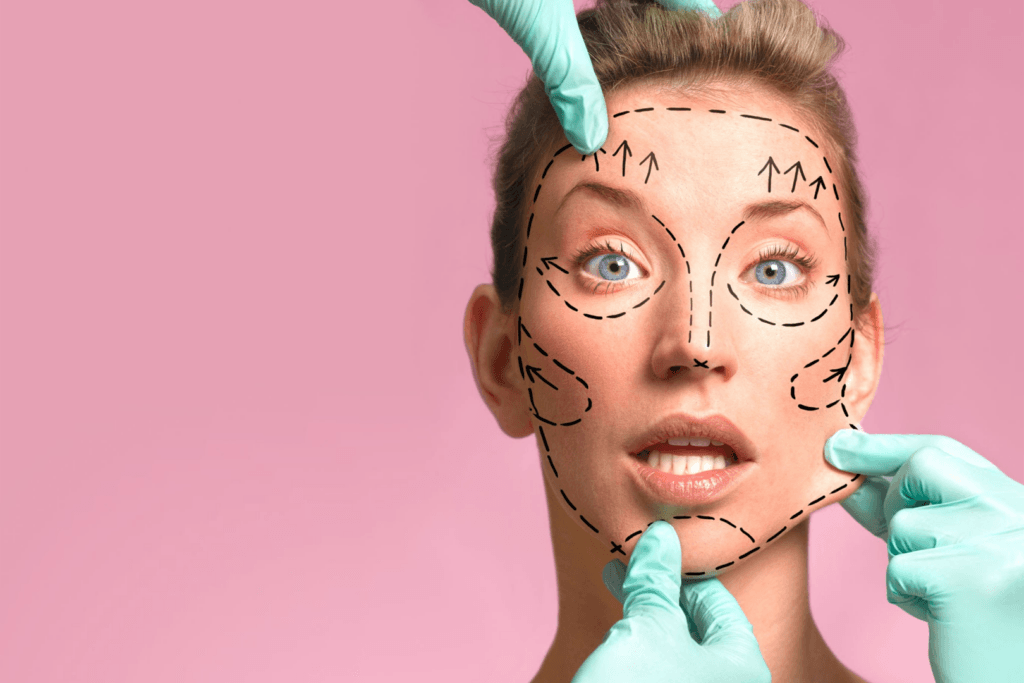
Stellen Sie sich das vor: Sie betreten eine Klinik, fest davon überzeugt, dass nur ein vollständiger Facelift die Uhr zurückdrehen kann. Sie verlassen sie mit einem Eingriff, der nicht nur Ihre müden Augen und schlaffen Wangen nicht verbessert, sondern Ihnen auch ein unnatürliches, “verwehtes” Aussehen verleiht. Das ist keine bloße Hypothese – es ist die Realität für viele, die unwissentlich die falsche Gesichtsverjüngungsoperation erhalten. Die Wahrheit? Der Mittelgesichtslift, ein spezialisiertes und oft übersehenes Verfahren, ist der Schlüssel zu natürlichen, harmonischen Ergebnissen für alle, die gegen die Alterung des Mittelgesichts kämpfen. Dennoch empfehlen viele Chirurgen den vollständigen Facelift als Universallösung, sodass Patienten Ergebnisse erhalten, die nicht ihren Zielen entsprechen.
Im Jahr 2026 hat sich das Gespräch über Gesichtsverjüngung weiterentwickelt. Patienten sind nicht mehr mit generischen, übertriebenen Ergebnissen zufrieden. Sie wollen Präzision, natürliche Konturen und ein erfrischtes Aussehen, das widerspiegelt, wie sie sich innerlich fühlen. Hier glänzt der Midface-Lift. Im Gegensatz zum kompletten Facelift, der hauptsächlich das Untergesicht und den Hals anspricht, konzentriert sich der Midface-Lift auf die Wangen, den Unteraugenbereich und die Nasolabialfalten – die Regionen, die die ersten Anzeichen des Alterns zeigen. Aber warum empfehlen so viele Chirurgen immer noch das falsche Verfahren? Und wie können Sie sicherstellen, dass Sie den richtigen Lift erhalten?

Inhaltsverzeichnis
Das Mittelgesicht: Das Epizentrum des Alterns
Das Altern verläuft nicht gleichmäßig über das Gesicht. Der Mittelgesicht‑Bereich – bestehend aus den Wangen, dem Unteraugenbereich und der Region um die Nasolabialfalten – zeigt oft zuerst Anzeichen von Abnutzung. Im Laufe der Zeit sinken die malaren Fettpolster (die Fettablagerungen, die Ihren Wangen ihre jugendliche Fülle verleihen), was zu einem hohlen, müden Aussehen führt. Die Haut verliert an Elastizität, und der einst glatte Übergang zwischen den unteren Augenlidern und den Wangen wird gestört, wodurch Tränensäcke und tiefere Falten entstehen. Diese Veränderungen sind nicht nur kosmetisch; sie können das Selbstwertgefühl erheblich beeinflussen und sogar die Wahrnehmung Ihrer Energie und Vitalität durch andere verändern.
Forschung veröffentlicht in Plastic and Reconstructive Surgery hebt hervor, dass das Altern des Mittelgesichts durch das Absinken von Weichgewebe, Volumenverlust und knöcherne Umgestaltung gekennzeichnet ist. Im Gegensatz zum Untergesicht, wo Hauterschlaffung das Hauptproblem darstellt, erfordert das Mittelgesicht einen differenzierten Ansatz, der sowohl die Volumenwiederherstellung als auch die strukturelle Unterstützung adressiert. Deshalb reicht ein kompletter Facelift, der hauptsächlich die Haut und das darunterliegende Gewebe des Untergesichts und des Halses strafft, oft nicht aus, um natürliche Ergebnisse für Mittelgesichts‑Probleme zu erzielen (PubMed, 2022).
Warum ein kompletter Facelift keine Lösung für das Altern des Mittelgesichts ist
Ein kompletter Facelift ist ein kraftvolles Verfahren, aber er ist nicht dafür ausgelegt, die einzigartigen Herausforderungen des Alterns im Mittelgesicht zu adressieren. Hier ist der Grund:
- Fehlende Ausrichtung: Komplette Facelifts zielen hauptsächlich auf die Kieferlinie, das Kinn und den Hals ab. Während diese Bereiche wichtig sind, lösen sie nicht den Volumenverlust und das Absinken der malaren Fettpolster im Mittelgesicht. Das kann dazu führen, dass Patienten ein gestrafftes Untergesicht, aber ein anhaltend müdes, hohles Mittelgesicht haben.
- Unnatürliche Ergebnisse: Wenn ein kompletter Facelift verwendet wird, um Mittelgesichts‑Probleme zu behandeln, wird die Haut oft seitlich (horizontal) gezogen, was ein unnatürliches, “gezogenes” Aussehen erzeugen kann. Das ist der berüchtigte “windgeblasene” Look, vor dem Patienten Angst haben – und das zu Recht. Das Mittelgesicht erfordert einen vertikalen Lift, um natürliche Konturen wiederherzustellen und Verzerrungen zu vermeiden.
- Unvollständige Verjüngung: Das Mittelgesicht ist ein komplexer anatomischer Bereich mit mehreren Schichten aus Fett, Muskel und Bindegewebe. Ein kompletter Facelift adressiert nicht die tiefen strukturellen Veränderungen, die mit dem Altern einhergehen, wie das Absinken des suborbicularis oculi Fetts (SOOF) oder die Atrophie des tiefen medialen Wangenfetts. Ohne diese Schichten zu targetieren, können die Ergebnisse flach und unnatürlich wirken.
Wie in einer Studie aus dem Jahr 2025 in Scientific Editorial, vermerkt wird, sind Mittelgesicht‑Lift‑Techniken speziell dafür indiziert, Tränensäcke, Nasolabialfalten und den Verlust der Wangenprojektion zu korrigieren – Bereiche, die ein kompletter Facelift einfach nicht effektiv adressieren kann (Scientific Editorial, 2025).
Der Midface-Lift: Präzise Verjüngung für natürliche Ergebnisse
Der Mittelgesicht‑Lift ist ein spezialisiertes Verfahren, das darauf abzielt, jugendliche Konturen der Wangen, des Unteraugenbereichs und der Nasolabialfalten wiederherzustellen. Im Gegensatz zum kompletten Facelift, der auf Hautstraffung setzt, konzentriert sich der Mittelgesicht‑Lift darauf, die darunterliegenden Fettpolster und Stützstrukturen in ihre ursprünglichen, jugendlichen Positionen zurückzuversetzen. Dieser Ansatz liefert Ergebnisse, die nicht nur natürlich, sondern auch langanhaltend sind.
Wie der Midface-Lift funktioniert
Der Mittelgesicht‑Lift kann mit verschiedenen Techniken durchgeführt werden, die jeweils an die einzigartige Anatomie und die Ziele des Patienten angepasst sind. Hier ist eine Übersicht der effektivsten Ansätze:
- Subperiostaler Midface-Lift: Diese Technik beinhaltet das Anheben der Midface-Gewebe vom Knochen, wodurch eine umfassende Neupositionierung der malaren Fettpolster und des SOOF ermöglicht wird. Sie ist besonders wirksam bei Patienten mit erheblichem Volumenverlust und Absenkung. Der subperiostale Ansatz bietet starke, dauerhafte Unterstützung und wird häufig mit endoskopischen Techniken kombiniert, um minimale Narbenbildung zu erzielen (PubMed, 2005).
- Transblepharoplastik Midface-Lift: Dieser Ansatz verwendet einen Schnitt entlang des Unterlids, um Zugang zu den Midface-Geweben zu erhalten und sie anzuheben. Er ist ideal für Patienten, die ebenfalls eine Verjüngung des Unterlids benötigen, da er eine gleichzeitige Korrektur von Tränensäcken und Midface-Absenkung ermöglicht. Die Transblepharoplastik-Technik ist minimal invasiv und hinterlässt keine sichtbaren Narben.
- Endoskopische Mittelgesichtsstraffung: Durch kleine Schnitte, die im Haaransatz oder im Mundinneren verborgen sind, verwendet diese Technik ein Endoskop (eine winzige Kamera), um das Heben und die Neuplatzierung der Mittelgesichtstissue zu steuern. Es ist eine narbenlose Option, die perfekt für Patienten mit frühen Anzeichen des Alterns ist, die keine umfangreiche Hautentfernung benötigen.
- Dual-Plane Mittelgesichtsstraffung: Diese fortschrittliche Technik kombiniert sowohl subperiostale als auch subkutane Dissektion, um mehrere Schichten des Mittelgesichtsalterungsprozesses anzugehen. Sie ist besonders wirksam bei Patienten mit komplexen Alterungsmustern, da sie eine präzise Kontrolle über die Neuplatzierung des Gewebes ermöglicht. Eine Studie aus 2024 in Ästhetische Plastische Chirurgie ergab, dass der Dual-Plane-Ansatz günstige ästhetische Ergebnisse mit minimalen Komplikationen liefert (Springer, 2024).
Jede dieser Techniken ist darauf ausgelegt, das natürliche Volumen und die Konturen des Mittelgesichts wiederherzustellen und ein erfrischtes, jugendliches Aussehen ohne die typischen Anzeichen einer Operation zu schaffen. Der Schlüssel liegt in der Individualisierung – die richtige Technik basierend auf Anatomie, Alterungsmustern und gewünschten Ergebnissen des Patienten zu wählen.

Warum der Midface-Lift natürliche Ergebnisse liefert
Die Mittelgesichtsstraffung unterscheidet sich von der kompletten Facelifting, weil sie die natürliche Anatomie und den Alterungsprozess des Gesichts respektiert. Hier ist, warum sie Ergebnisse liefert, die authentisch aussehen und sich anfühlen:
- Vertikaler Vektor-Lifting: Im Gegensatz zum seitlichen Zug eines kompletten Facelifts verwendet die Mittelgesichtsstraffung einen vertikalen Vektor, um das Gewebe neu zu positionieren. Dies ahmt die natürliche Richtung der Gesichtsalterung nach und stellt jugendliche Konturen ohne Verzerrung wieder her. Wie Dr. Richard Balikian erklärt, ist vertikales Vektor-Lifting entscheidend, um natürliche Gesichtsstütze zu erreichen und den “gezogenen” Look zu vermeiden (YouTube, 2025).
- Volumenwiederherstellung: Altern bedeutet nicht nur Hauterschlaffung – es geht auch um Volumenverlust. Die Mittelgesichtsstraffung adressiert dies, indem sie die Jochbeinfettpolster neu positioniert und in einigen Fällen Volumen durch Fetttransplantation oder Füllstoffe hinzufügt. Dies stellt die natürliche Fülle der Wangen wieder her und glättet den Übergang zwischen den unteren Augenlidern und dem Mittelgesicht.
- Minimale Narbenbildung: Viele Mittelgesichtsstraffungstechniken, wie die endoskopischen und transblepharoplastischen Ansätze, hinterlassen kaum sichtbare Narben. Das ist ein bedeutender Vorteil für Patienten, die die typischen Anzeichen einer Operation vermeiden möchten.
- Lang anhaltende Ergebnisse: Da das Midface-Lifting die zugrunde liegenden strukturellen Veränderungen des Alterns anspricht, sind seine Ergebnisse langlebig. Eine Studie aus dem Jahr 2019 in Plastic and Reconstructive Surgery ergab, dass endoskopische Midface-Lifts eine signifikante, objektive Verbesserung der mittelfazialen Höhe bieten, die bis zu 15 Jahre anhält (PubMed, 2019).
Der komplette Facelift: Wann ist er die richtige Wahl?
Während das Midface-Lifting der Goldstandard für die Verjüngung des Mittelgesichts ist, hat das komplette Facelifting weiterhin seinen Platz. Es ist eine ausgezeichnete Option für Patienten, deren Hauptanliegen im Untergesicht und Nacken liegen, wie zum Beispiel:
- Jowlbildung entlang der Kieferlinie
- Lose oder bandartige Haut am Hals
- Laxität des Platysma-Muskels
- Verlust der Definition vom Kinn bis zum Schlüsselbein
Für diese Patienten kann ein komplettes Facelifting transformative Ergebnisse liefern. Es ist jedoch wichtig zu beachten, dass selbst in diesen Fällen die Kombination eines kompletten Faceliftings mit einem Midface-Lift eine umfassendere Verjüngung ermöglichen kann. Dieser hybride Ansatz stellt sicher, dass alle Gesichtsbereiche harmonisch altern und vermeidet die Falle eines gestrafften Untergesichts in Kombination mit einem müden Mittelgesicht.
Die Risiken einer falschen Verfahrenswahl
Ein komplettes Facelifting zu wählen, wenn ein Midface-Lift nötig ist – oder umgekehrt – kann zu enttäuschenden Ergebnissen führen. Folgendes kann schiefgehen:
- Unnatürliches Aussehen: Ein komplettes Facelifting, das versucht, Mittelgesichtsprobleme zu adressieren, kann ein überdehntes, unnatürliches Aussehen erzeugen. Die seitliche Spannung kann die natürlichen Konturen der Wangen und des Unteraugenbereichs verzerren, was zum gefürchteten “windgeblähten” Effekt führt.
- Unvollständige Korrektur: Wenn Ihr Hauptanliegen das Altern des Mittelgesichts ist, wird ein reines komplettes Facelifting nicht die gewünschten Ergebnisse liefern. Sie könnten weiterhin hohle Wangen, Tränensäcke und tiefe Nasolabialfalten haben, trotz der Operation.
- Verschwendete Zeit und Geld: Gesichtsverjüngungsoperationen sind eine Investition – sowohl finanziell als auch emotional. Die falsche Prozedur zu wählen bedeutet, sich einer Erholungsphase zu unterziehen und Geld auszugeben, ohne das gewünschte Ergebnis zu erzielen. Revisionseingriffe zur Korrektur dieser Probleme können komplex und kostspielig sein.
- Erhöhtes Risiko für Komplikationen: Komplette Facelifts sind invasiver als Mittelgesichts-Lifts, was bedeutet, dass sie ein höheres Risiko für Komplikationen wie Nervenverletzungen, Hämatome und verlängerte Schwellungen mit sich bringen. Wenn Ihre Bedenken sich nur auf das Mittelgesicht beschränken, setzt Sie ein kompletter Facelift unnötig diesen Risiken aus.
Eine Studie aus dem Jahr 2024 in Plastic and Reconstructive Surgery betonte, dass Patientenunzufriedenheit die häufigste Komplikation bei kosmetischen Gesichtsverfahren ist und oft aus einer Diskrepanz zwischen den Zielen des Patienten und dem gewählten Eingriff resultiert (PubMed, 2024). Dies unterstreicht die Bedeutung, einen Chirurgen zu wählen, der sich die Zeit nimmt, Ihre individuelle Anatomie und ästhetischen Ziele zu verstehen.
Wie Sie sicherstellen, dass Sie den richtigen Lift erhalten
Wie können Sie also vermeiden, in die Falle des falschen Eingriffs zu tappen? Das sollten Sie wissen:
1. Wählen Sie einen Spezialisten, keinen Allgemeinarzt
Nicht alle plastischen Chirurgen sind gleich. Während viele Chirurgen komplette Facelifts anbieten, spezialisieren sich nur wenige auf die Verjüngung des Mittelgesichts. Bei Chirurgieteam, sind unsere Chirurgen Experten für Gesichtsanatomie und Alterung, mit dem Fokus auf natürliche, harmonische Ergebnisse. Dr. Mert Meral ist beispielsweise für seine Spezialisierung auf die Verjüngung des Mittelgesichts und das natürliche Vektor-Lifting bekannt und sorgt dafür, dass jeder Patient einen individuell auf seine Bedürfnisse zugeschnittenen Ansatz erhält.
Fragen Sie bei der Auswahl eines Chirurgen nach seiner Erfahrung speziell mit Mittelgesichts-Lifts. Wie viele hat er durchgeführt? Kann er Ihnen Vorher-Nachher-Fotos seiner Arbeit zeigen? Verwendet er fortschrittliche Techniken wie den endoskopischen oder den Dual-Plane-Ansatz? Die Antworten auf diese Fragen geben Ihnen Vertrauen in seine Fachkompetenz.
2. Verstehen Sie Ihre Alterungsmuster
Das Altern ist individuell. Was für eine Person funktioniert, muss nicht für eine andere gelten. Während Ihrer Beratung sollte Ihr Chirurg eine gründliche Analyse Ihrer Gesichtsanatomie durchführen, einschließlich:
- Der Position und des Volumens Ihrer Jochbein-Fettpolster
- Der Tiefe Ihrer Nasolabialfalten und Tränenrinne
- Der Elastizität und Dicke Ihrer Haut
- Jeglicher Asymmetrie oder struktureller Bedenken
Diese Analyse hilft zu bestimmen, ob ein Midface-Lift, ein komplettes Facelifting oder eine Kombination aus beidem für Sie geeignet ist. Bei SurgyTeam verwenden wir fortschrittliche Bildgebung und 3D-Modellierung, um Ihre Gesichtsalterungsmuster zu kartieren, und gewährleisten einen präzisen und personalisierten Behandlungsplan.
3. Fragen Sie nach hybriden Ansätzen
In einigen Fällen erzielen die besten Ergebnisse durch die Kombination von Eingriffen. Zum Beispiel kann ein Patient mit Midface-Absenkung und Hauterschlaffung von einem Midface-Lift in Kombination mit einem unteren Facelifting oder einem Halslifting profitieren. Ebenso können Patienten mit Volumenverlust optimale Ergebnisse mit einem Midface-Lift und Fetttransplantation oder Fillern erreichen.
Eine Studie aus dem Jahr 2025 in Plastic and Reconstructive Surgery hob die Vorteile eines multimodalen Ansatzes zur Gesichtsverjüngung hervor und stellte fest, dass die Kombination von chirurgischen und nicht‑chirurgischen Techniken mehrere Alterungsebenen adressieren kann, um natürlichere und umfassendere Ergebnisse zu erzielen (PMC, 2025).
4. Natürliche Ergebnisse über Trends priorisieren
Das Ziel der Gesichtsverjüngung sollte immer darin bestehen, Ihre natürliche Schönheit zu betonen, nicht Trends oder idealisierten Standards zu folgen. Im Jahr 2026 ist die Nachfrage nach natürlich wirkenden Ergebnissen höher denn je. Patienten wollen wie die beste Version von sich selbst aussehen – nicht wie eine ganz andere Person.
Bei SurgyTeam vertreten wir die Philosophie “minimaler Eingriff, maximale Wirkung”. Das bedeutet, dass wir die schonendsten Techniken einsetzen, um die natürlichsten und transformativsten Ergebnisse zu erzielen. Ob Mittelgesichtslift, Fetttransplantation oder eine Kombination von Verfahren – unser Fokus liegt darauf, Balance und Harmonie in Ihr Gesicht zurückzubringen.
5. Erwägen Sie eine virtuelle Beratung für Patienten aus anderen Städten
Wenn Sie sich einer Operation unterziehen, kann der Prozess überwältigend wirken. Bei SurgyTeam bieten wir virtuelle Konsultationen, um den Ablauf reibungslos zu gestalten. Bei Ihrer virtuellen Bewertung treffen Sie Ihren Chirurgen, besprechen Ihre Ziele und erhalten einen individuellen Behandlungsplan – alles bequem von zu Hause aus. So stellen wir sicher, dass Sie vollständig informiert und sicher in Ihrer Entscheidung sind, bevor Sie unser Klinikum überhaupt betreten.
Unsere All-inclusive-Pakete umfassen alles von Flughafentransfers bis zu Luxusunterkünften, sodass Sie sich auf Ihre Genesung und Ergebnisse konzentrieren können. Wir bieten außerdem umfassende Nachsorge, einschließlich Folgeuntersuchungen und individueller Erholungspläne, um sicherzustellen, dass Ihr Weg reibungslos und erfolgreich verläuft.

Der SurgyTeam Unterschied: Fachwissen, Präzision und natürliche Ergebnisse
Bei Chirurgieteam, wir führen nicht nur Operationen durch – wir gestalten personalisierte Verjüngungserlebnisse. So unterscheidet sich unser Ansatz:
1. Nischenspezialisierung
Unsere Chirurgen spezialisieren sich auf bestimmte Bereiche der Gesichtsverjüngung. Dr. Mert Meral ist beispielsweise ein führender Experte für Midface-Lifts und natürliche Vektorlifting-Techniken, sodass jeder Patient die höchste Versorgung und Expertise erhält. Diese Nischenausrichtung ermöglicht es uns, Ergebnisse zu liefern, die allgemeine Chirurgen einfach nicht erreichen können.
2. Fortgeschrittene Techniken
Wir bleiben an der Spitze der chirurgischen Innovation und bieten fortschrittliche Techniken wie den endoskopischen Midface-Lift, den Dual-Plane-Lift und hybride Ansätze. Diese Methoden ermöglichen es uns, natürliche, langanhaltende Ergebnisse mit minimalen Narben und Ausfallzeiten zu erzielen.
3. Personalisierte Behandlungspläne
Kein Gesicht altert auf die gleiche Weise, und kein Behandlungsplan sollte identisch sein. Wir nutzen fortschrittliche Bildgebung und 3D-Modellierung, um einen individuellen Fahrplan für Ihren Verjüngungsweg zu erstellen. Ob Sie einen Midface-Lift, Fetttransplantation oder eine Kombination von Eingriffen benötigen – Ihr Plan wird exakt an Ihre einzigartige Anatomie und Ziele angepasst.
4. Verpflichtung zu natürlichen Ergebnissen
Unsere Philosophie ist einfach: Wir möchten, dass Sie die beste Version Ihrer selbst sind. Wir lehnen den “Einheitsbrei”-Ansatz des traditionellen Medizintourismus ab und setzen stattdessen auf maßgeschneiderte Lösungen, die Ihre natürliche Schönheit unterstreichen. Unser Ziel ist es, Balance, Harmonie und jugendliche Konturen wiederherzustellen – ohne Ihre einzigartige Identität zu beeinträchtigen.
5. Umfassende Betreuung für internationale Patienten
Wir verstehen, dass eine Reise zur Operation beängstigend sein kann. Deshalb bieten wir All-inclusive-Pakete, die jeden Aspekt Ihrer Reise abdecken – von Flughafentransfers bis zu Luxusunterkünften und Nachsorge. Unser mehrsprachiges Team steht Ihnen bei jedem Schritt zur Seite, um ein nahtloses und stressfreies Erlebnis zu gewährleisten.

Häufig gestellte Fragen zu Midface-Lifts
Wie unterscheidet sich ein Midface-Lift von einem kompletten Facelift?
Ein Midface-Lift zielt speziell auf Wangen, Augenbereich und Nasolabialfalten ab, mit dem Fokus auf die Wiederherstellung von Volumen und die Neupositionierung der malar Fettpolster. Im Gegensatz dazu konzentriert sich ein Full-Facelift primär auf das untere Gesicht und den Hals, strafft Haut und darunterliegende Gewebe. Der Midface-Lift nutzt einen vertikalen Vektor, um Gewebe zu heben, während ein Full-Facelift oft seitlich zieht, was zu einem unnatürlichen Erscheinungsbild führen kann, wenn es für Midfac.
Wer ist der ideale Kandidat für einen Midface-Lift?
Der ideale Kandidat für ein Midface-Lift ist jemand, der erste Anzeichen der Mittelgesichtsalterung aufweist, wie eingefallene Wangen, Tränensäcke, tiefe Nasolabialfalten oder ein müdes Erscheinungsbild. Es eignet sich besonders für Patienten in ihren 30ern bis 50ern mit guter Hautelastizität, die jedoch Volumenverlust und Absinken im Mittelgesicht bemerken. Kandidaten sollten in guter allgemeiner Gesundheit sein und realistische Erwartungen an die Ergebnisse haben.
Welche Risiken und Komplikationen sind mit einem Midface-Lift verbunden?
Wie bei jedem chirurgischen Eingriff birgt ein Midface-Lift gewisse Risiken, die jedoch bei Durchführung durch einen erfahrenen Chirurgen im Allgemeinen minimal sind. Mögliche Komplikationen umfassen vorübergehende Schwellungen, Blutergüsse, Taubheitsgefühle oder Asymmetrien. Schwerwiegendere, aber seltene Risiken sind Infektionen, Nervenverletzungen oder Unzufriedenheit mit den Ergebnissen. Die Wahl eines Spezialisten mit umfassender Erfahrung in der Mittelgesichtsverjüngung verringert diese Risiken erheblich.
Wie lange halten die Ergebnisse eines Midface-Lifts?
Die Ergebnisse eines Midface-Lifts sind langanhaltend und bestehen oft 10 bis 15 Jahre oder länger. Da der Eingriff die zugrunde liegenden strukturellen Veränderungen des Alterns adressiert – wie das Absinken von Fettpolstern und Volumenverlust – sind die Resultate dauerhaft. Ein stabiles Gewicht und eine gesunde Hautpflegeroutine können die Ergebnisse verlängern.
Kann ein Midface-Lift mit anderen Eingriffen kombiniert werden?
Ja, ein Midface-Lift kann effektiv mit anderen Verfahren kombiniert werden, um eine umfassende Gesichtsverjüngung zu erreichen. Häufige Kombinationen sind eine Unterlidblepharoplastik (zur Behandlung von Tränensäcken), Eigenfetttransplantation (zur Volumenwiederherstellung) oder ein Halslift (zur Straffung von Kieferlinie und Hals). Die Kombination von Eingriffen ermöglicht ein harmonischeres und ausgewogeneres Ergebnis, das mehrere Problemzonen in einer einzigen Operation adressiert.
Wie verläuft der Genesungsprozess nach einem Midface-Lift?
Die Genesung nach einem Midface-Lift ist im Allgemeinen schneller und weniger unangenehm als die Genesung nach einem kompletten Facelift. Die meisten Patienten erleben Schwellungen und Blutergüsse in den ersten 1 bis 2 Wochen, wobei die restliche Schwellung über die folgenden Monate zurückgeht. Patienten können in der Regel innerhalb von 1 bis 2 Wochen wieder arbeiten und leichte Aktivitäten ausüben, jedoch sollte intensives Training für 4 bis 6 Wochen vermieden werden. Das Befolgen der nachoperativen Pfle?.
Machen Sie den ersten Schritt zu natürlichen, altersdefinierenden Ergebnissen
Wenn Sie bereit sind, Ihre jugendlichen Konturen zurückzugewinnen und natürliche, harmonische Ergebnisse zu erzielen, könnte das Midface-Lift die Lösung sein, nach der Sie gesucht haben. Bei Chirurgieteam, wir spezialisieren uns auf pr?e Verj?ngung und gewährleisten, dass jeder Patient einen individuellen Behandlungsplan erhält, der genau auf seine einzigartige Anatomie und Ziele zugeschnitten ist.
Sich nicht mit einem Einheitsansatz zufrieden geben. Wählen Sie Expertise, wählen Sie nat?e Ergebnisse und wählen Sie ein Team, das sich daf?r einsetzt, Ihnen das beste Aussehen und das beste Gef?hl zu verleihen. Kontaktieren Sie uns noch heute um Ihre Beratung zu vereinbaren und den ersten Schritt zu einem erfrischten, verj?ngten Sie selbst zu gehen.