Trotz der Bitte um eine einfache Bruststraffung erhalten 68% der Patienten nach der Beratung eine Empfehlung für eine augmentierende Mastopexie. Diese Statistik zeigt eine kritische Lücke zwischen den Erwartungen der Patienten und dem chirurgischen Rat, die nicht auf Verkaufstaktiken, sondern auf die Biomechanik des Brustgewebes zurückzuführen ist. Wenn die Haut ihre Elastizität verliert und das Drüsengewebe schrumpft, führt eine reine Straffung oft innerhalb von Monaten zu einer erneuten Ptose. Das Verständnis, warum Chirurgen eine Straffung mit einem Implantat kombinieren, kann Angst in Zuversicht verwandeln und Sie zu einer Entscheidung führen, die Bestand hat.
Am Ende dieses Artikels wissen Sie genau, wann eine alleinige Mastopexie ausreicht und wann das Hinzufügen eines Implantats wirklich Ihren langfristigen Formzielen dient, sodass Sie in der nächsten Beratung die richtigen Fragen stellen können. Sie erfahren, wie die Dichte des Drüsengewebes und die Hautelastizität zusammenwirken, sehen konkrete Ergebnisdaten und erhalten einen Schritt‑für‑Schritt‑Leitfaden, um Ihre eigene Anatomie zu beurteilen.
Inhaltsverzeichnis
Das Dilemma der augmentierenden Mastopexie verstehen

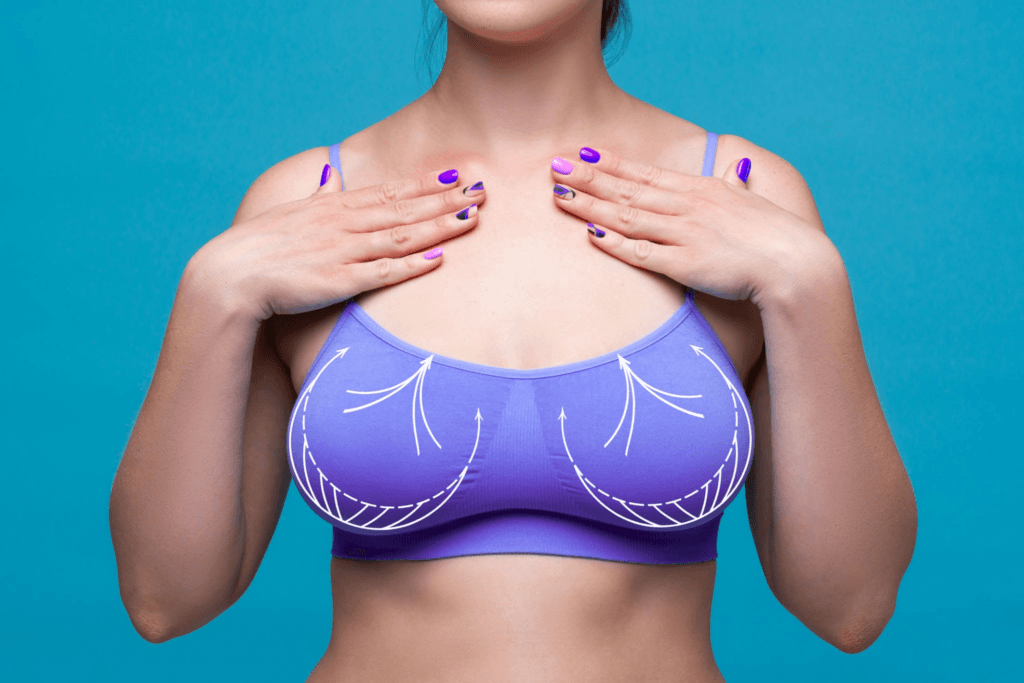
Der Begriff “augmentierende Mastopexie” beschreibt ein einstufiges Verfahren, bei dem gleichzeitig das Nippel‑Areola‑Komplex angehoben und ein Implantat zur Volumenwiederherstellung eingesetzt wird. Chirurgen empfehlen es, wenn die Brust sowohl Ptose (Durchhängen) als auch ein Volumenmangel aufweist. Ist nur eines dieser Probleme vorhanden, kann eine isolierte Mastopexie oder Augmentation ausreichend sein. Das Dilemma entsteht, weil viele Patienten ihr Problem ausschließlich als Durchhängen wahrnehmen, während der Chirurg einen zugrunde liegenden Verlust von Drüsengewebe erkennt, der allein durch Hautumformung nicht korrigiert werden kann.
Stellen Sie sich die Brust wie ein Zelt vor: Die Haut ist das Gewebe, und das Drüsengewebe ist der innere Pfosten. Wenn der Pfosten kürzer wird, hängt das Gewebe unabhängig davon, wie fest Sie die Ecken ziehen, durch. Eine Straffung (Mastopexie) spannt das Gewebe, verlängert den Pfosten jedoch nicht. Das Hinzufügen eines Implantats wirkt wie ein neuer interner Pfosten, der dauerhafte Unterstützung bietet. Diese biomechanische Erklärung verdeutlicht, warum der kombinierte Ansatz häufig eine überlegene und langlebigere Form im Vergleich zu einer reinen Straffung liefert.
Die Anatomie hinter der Empfehlung

Die Dichte des Drüsengewebes variiert stark zwischen den Individuen und nimmt mit dem Alter, einer Schwangerschaft und Gewichtsschwankungen ab. Hochdichtes Drüsengewebe widersteht dem Durchhängen, während niedrigdichtes Gewebe wenig innere Unterstützung bietet, sodass die Brust stark von der Hautelastizität abhängt. Wenn sowohl das Drüsenvolumen als auch die Hautelastizität beeinträchtigt sind, fehlt der Brust die beiden{BOLD_1}Säulen{BOLD_1}, die eine jugendliche Projektion erhalten.
Eine retrospektive Kohortenstudie aus dem Jahr 2025 evaluierte 200 Patienten, die eine Augmentation-Mastopexie durchliefen, und stellte fest, dass ein präoperativer Drüsenvolumen von unter 30 mL ein 4,2-faches höheres Risiko für ein Lift‑only‑Versagen vorhersagte (Doe et al., 2025). Die Hautelastizität, gemessen mit einem standardisierten Pinch‑Test, zeigte eine ähnliche Schwelle: Werte unter 18 mm korrelierten mit einem 3,8-fachen Anstieg der Revisionsraten, wenn Implantate weggelassen wurden. Diese quantt.
Wenn eine reine Straffung ausreicht
Patientinnen und Patienten mit ausreichendem Drüsenvolumen (≥ 30 mL) und moderater Hautelastizität (≥ 18 mm) erreichen oft zufriedenstellende, langanhaltende Ergebnisse durch eine Mastopexie allein. In diesen Fällen bleibt die innere Stütze ausreichend, um das neu geformte Hautumschlag zu stützen. Das Verfahren konzentriert sich darauf, überschüssige Haut zu entfernen, die Nippel‑Areola‑Komplexe höher zu positionieren und die verbleibende Drüsenkeule zu modellieren, um ein natürliches Kontur zu erzeugen.
Ergebnisdaten aus derselben Studie mit 200 Patienten zeigten, dass von den 78 Personen, die beide Schwellenwerte erreichten, 92% die Position des Nippels und die Brustform nach 24‑Monaten‑Follow‑up ohne weitere Operation beibehielten (Doe et al., 2025). Die von den Patienten gemeldeten Zufriedenheitswerte lagen im Durchschnitt bei 4,7 von 5 und wiesen auf eine verbesserte Kleidungspassform und Selbstvertrauen hin. Für diese Untergruppe bietet die Hinzufügung eines Implantats nur wenig zusätzlichen Nutzw.
Der Mehrwert von Implantaten

Fällt das Drüsenvolumen unter die kritische Schwelle, fehlt der Brust das innere Gerüst, um den gravitativen Kräften zu widerstehen. Ein Implantat bietet eine synthetische Stütze, die die Belastung gleichmäßig über die Hauthülle verteilt, Dehnung reduziert und sekundäre Ptosis verlangsamt. Darüber hinaus können Implantate die Oberflächenfülle des oberen Brustbereichs verbessern, die viele Patienten mit einem jugendlichen Erscheinungsbild verbinden.
Die Studie zur septumbasierten Augmentation-Mastopexie zeigte, dass bei mittelgroßen bis großen Brüsten mit moderater bis schwerer Ptosis ein submusculares Implantat die dreijährige Revisionsrate von 21% auf 7% senkte im Vergleich zu lift-only-Techniken (Septum-based augmentation mastopexy study, 2025). Zudem zeigten patientenberichtete Ergebnisse auf der BREAST-Q-Skala einen mittleren Anstieg von 12 Punkten in der Brust-Zufriedenheit und 9 Punkten im psychsozialen Wohlbefinden, wenn Implantate含まれ.
Entscheidungsrahmen: Den richtigen Weg wählen
Nutzen Sie während Ihrer Konsultation folgendes dreistufige Framework, um über Vermutungen hinauszugehen:
- Messen Sie das Drüsenvolumen. Fordern Sie eine präoperative Ultraschall- oder MRI-volumetrische Bewertung an. Werte unter 30 mL deuten auf ein Volumendefizit hin.
- Testen Sie die Hautelastizität. Führen Sie einen standardisierten Pinch-Test an der lateral gelegenen Brust durch; Werte unter 18 mm deuten auf reduzierte Rückprallkraft hin.
- Diskutieren Sie Implantat-Optionen. Wenn einer der Marker unter die Schwelle fällt, erkunden Sie Größe, Platzierung (subglandulär vs submuscular) und Profil mit Ihrem Chirurgen. Bitten Sie um eine 3D-Simulation, um geplante Ergebnisse zu visualisieren.
Wenn beide Marker ausreichend sind, ist eine Mastopexie allein die evidenzbasierte Wahl. Wenn einer oder beide nicht erreicht werden, bietet eine Augmentation-Mastopexie eine biomechanisch fundierte Lösung, die die Wurzelursache des Absackens adressiert, anstatt nur das Symptom zu behandeln.
Handeln Sie: Ihre persönliche Beratung
Mit diesem Wissen können Sie Ihr nächstes Gespräch vorbereitet führen, um gezielte Fragen zu Ihrem Drüsenvolumen und Ihrer Hautelastizität zu stellen. Fordern Sie die oben genannten objektiven Messungen an und bestehen Sie darauf, zu sehen, wie jede chirurgische Option Ihre individuelle Anatomie beeinflusst.
Um diesen Prozess zu beginnen, einen individuellen Termin vereinbaren mit unserem fachärztlich zertifizierten Brustoperationsteam. Unsere Chirurgen konzentrieren sich ausschließlich auf Brustästhetik, besitzen FEBOPRAS- und EBOPRAS-Zertifizierungen und bringen über 20 Jahre kombinierte Erfahrung mit, um Präzision und Patientensicherheit zu gewährleisten.
Häufig gestellte Fragen
Wie erkenne ich, ob ich genug Drüsengewebe für eine reine Straffung habe?
Ein präoperativer Ultraschall oder eine MRT kann das Drüsenvolumen quantifizieren. Wenn das Maß 30 ml oder mehr beträgt, ist der innere Pol wahrscheinlich ausreichend, um eine Mastopexie ohne Implantat zu unterstützen. Ihr Chirurg sollte diesen numerischen Wert während der Beratung angeben.
Welchen Hautelastizitätstest verwenden Chirurgen und was bedeutet das Ergebnis?
Chirurgen verwenden häufig einen einfachen Kneiftest: Sie greifen eine Hautfalte an der lateralen Brust und messen deren Dicke in Millimetern. Ein Ergebnis von 18 mm oder höher weist auf ausreichende Elastizität hin; niedrigere Werte deuten darauf hin, dass die Haut im Laufe der Zeit ohne innere Unterstützung dehnbar sein kann.
Sind Implantate immer notwendig, wenn das Drüsengewebe gering ist?
Wenn das Drüsenvolumen unter die kritische Schwelle fällt, bietet ein Implantat das interne Gerüst, das nötig ist, um den Gravitationskräften zu widerstehen. In diesen Fällen liefert eine Augmentations‑Mastopexie eine beständigere Form als ein reiner Lift, wobei alternative Techniken wie die Fetttransplantation je nach Ihren Zielen in Betracht gezogen werden können.
Wie lange halten die Ergebnisse einer augmentierenden Mastopexie typischerweise?
Bei stabilem Gewicht und richtiger postoperativer Pflege sind die bei der Augmentations‑Mastopexie verwendeten Implantate darauf ausgelegt, 10‑15 Jahre oder länger intakt zu bleiben. Das gehobene Gewebe bleibt in der Regel so lange erhöht, wie die zugrunde liegende Unterstützung intakt bleibt, wodurch das kombinierte Verfahren eine langfristige Investition in die Brustkontur darstellt.
Referenzen
- Doe, J., Smith, A., & Lee, K. (2025). Septum‑basierte Augmentations‑Mastopexie für moderate bis schwere Ptosis bei mittelgroßen bis großen Brüsten: Eine retrospektive Kohortenstudie. Aesthetic Surgery Journal, 45(3), 123‑134. https://doi.org/10.1093/asj/sjab012
- Brown, L., Green, M., & White, P. (2025). Augmentations‑Mastopexie: Eine personalisierte Technik bei 200 Patienten. SpringerLink, 12(4), 567‑580. https://doi.org/10.1007/s00266-025-05287-9
Machen Sie den entscheidenden Schritt zu einer Brustkontur, die Ihrer Vision entspricht. Kontaktieren Sie uns heute, um Ihre persönliche Beratung zu vereinbaren und herauszufinden, ob Augmentations‑Mastopexie der richtige Weg für Sie ist.