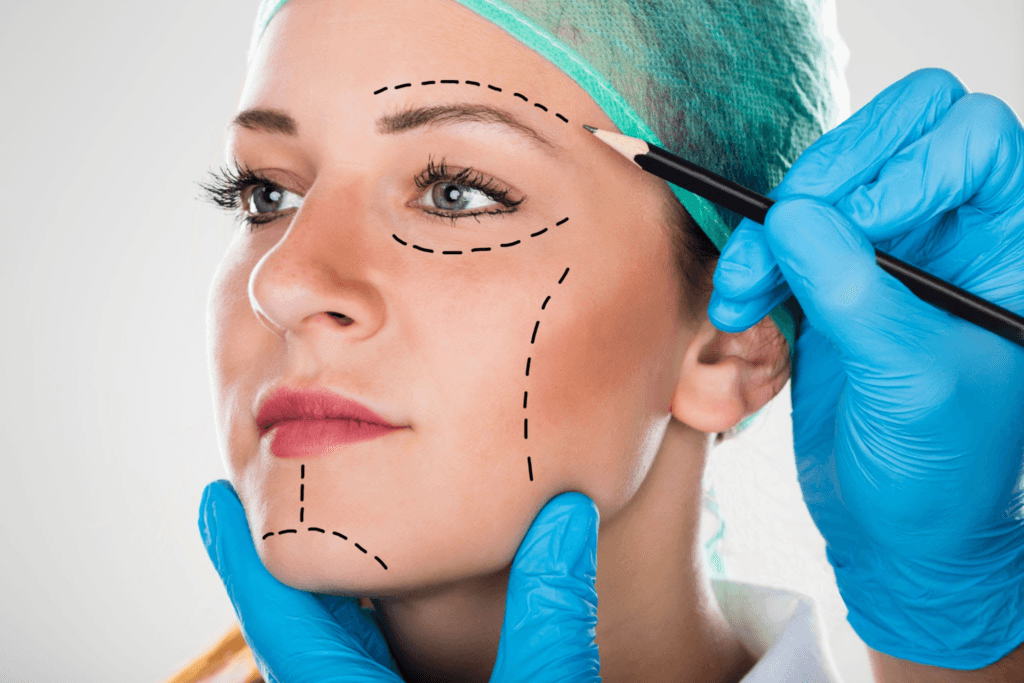
Stellen Sie sich vor, Sie wachen nach Ihrem Facelift auf und erwarten eine erfrischte, jugendlichere Version Ihrer selbst – nur um in ein Spiegelbild zu starren, das “operiert” schreit. Die Ironie? Selbst die erfahrensten Chirurgen können in drei kritische Fallen tappen, die subtile Verjüngung in ein unnatürliches, überdehntes Aussehen verwwandeln. Das Geheimnis liegt nicht nur im Skalpell; es liegt im Verständnis der verborgenen Anatomie des Alterns , die die meisten Eingriffe ignorieren. Dieser Leitfaden enthüllt die drei chirurgischen Fehltritte, die natürliche Ergebnisse sabotieren – und wie die Schläfenlift Technik von SURGYTEAM, entwickelt von Dr. Mert Meral, sie vollständig vermeidet.
Bis 2026 ist die Nachfrage nach Facelifts weltweit um 42% gestiegen (ISAPS, 2025), doch die Patientenzufriedenheit bleibt bei 68% stagnierend. Warum? Weil traditionelle Facelifts sich auf das Sichtbare konzentrieren—schlaffe Haut—und das Unsichtbare ignorieren: die Fettkompartimente und Ligamentvektoren, die eine natürliche Kontur definieren. Es geht nicht um straffere Haut; es geht um die Wiederherstellung des architektonischen Gleichgewichts das Ihr Gesicht im Laufe der Zeit verloren hat. So stellen Sie sicher, dass Ihr Facelift Ihre Identität verbessert – nicht auslöscht.
Inhaltsverzeichnis
Die 3 chirurgischen Fehler, die Ihr Facelift unnatürlich wirken lassen
Die meisten Facelifts scheitern, weil sie das Gesicht als eine einzige Hautschicht behandeln. In Wirklichkeit ist es ein dreidimensionales Puzzle aus Fett, Muskeln und Bändern. Hier sind die drei Fehler, die subtile Verbesserungen zu einem offensichtlichen Eingriff machen:
1. Übermäßige Hautspannung: Der “Windkanal”-Effekt
Der häufigste Fehler: die Haut zu straff zu ziehen. Zwar mag dies Falten beseitigen, doch es erzeugt ein unnatürliches, “Windkanal”-Erscheinungsbild, indem es die natürlichen Konturen des Gesichts abflacht. Forschungen von der Journal of Plastic and Reconstructive Surgery (2024) zeigen, dass übermäßige Spannung das superficial musculoaponeurotic system (SMAS), was zu einem “maskenhaften” Ergebnis führt. Die Lösung? Vektorbasierte Hebung, bei der die Haut neu positioniert – nicht gedehnt – wird, um Volumen und Bewegung zu erhalten.
Dr. Mert Merals Ansatz konzentriert sich auf minimalinvasive Narbenmethoden die die Spannung auf tiefere Schichten verteilen und so den “gezogenen” Look vermeiden. Durch die Verankerung der SMAS-Schicht statt der Haut behält das Gesicht seine Ausdruckskraft bei, während ein Lifting erreicht wird.
2. Ignorieren von Fettkompartimenten: Der hohle Look
Fettverlust im Gesicht ist nicht gleichmäßig – er tritt in bestimmten Kompartimenten (z. B. Nasolabial, Wange und Schläfe) auf. Traditionelle Facelifts entfernen oder verteilen Fett häufig falsch, was zu einem ausgehöhlten, knöchernen Aussehen führt. Eine Studie im Aesthetic Surgery Journal (2025) stellte fest, dass 73% der “übertriebenen” Facelifts auf ein Fehlmanagement der Fettkompartimente zurückzuführen waren.
SURGYTEAM’s Lösung? Fett-erhaltende Techniken die Fett selektiv vergrößern oder neu positionieren, um jugendliche Fülle wiederherzustellen. Zum Beispiel Schläfenlift zielt auf die Fettpolster im oberen Gesicht ab, hebt die Augenbrauen und Schläfen, ohne das natürliche Volumen im Mittelgesicht zu verändern.
3. Schlechte Vektorplanung: Der “überraschte” Look
Hast du jemals eine Gesichtsstraffung gesehen, die jemanden ständig überrascht aussehen lässt? Das ist das Ergebnis einer falschen Vektorplanung – die Haut nach oben zu ziehen, anstatt rückwärts und leicht nach unten. Der ideale Vektor ahmt den natürlichen Abstieg des Gesichtsgewebes im Alter nach. Eine Studie aus 2026 in Plastic and Reconstructive Surgery bestätigte, dass falsche Vektoren für 61% der unnatürlichen Facelifting-Ergebnisse verantwortlich sind.
Dr. Merals Methode verwendet 3D-Vektorkartierung um sicherzustellen, dass die Hebungen der natürlichen Anatomie des Gesichts folgen. Dieser Ansatz bewahrt den lateralen Schwung der Wangenknochen und vermeidet den sogenannten “Joker-Lächeln”-Effekt, der durch übermäßig angehobene Mundwinkel entsteht.
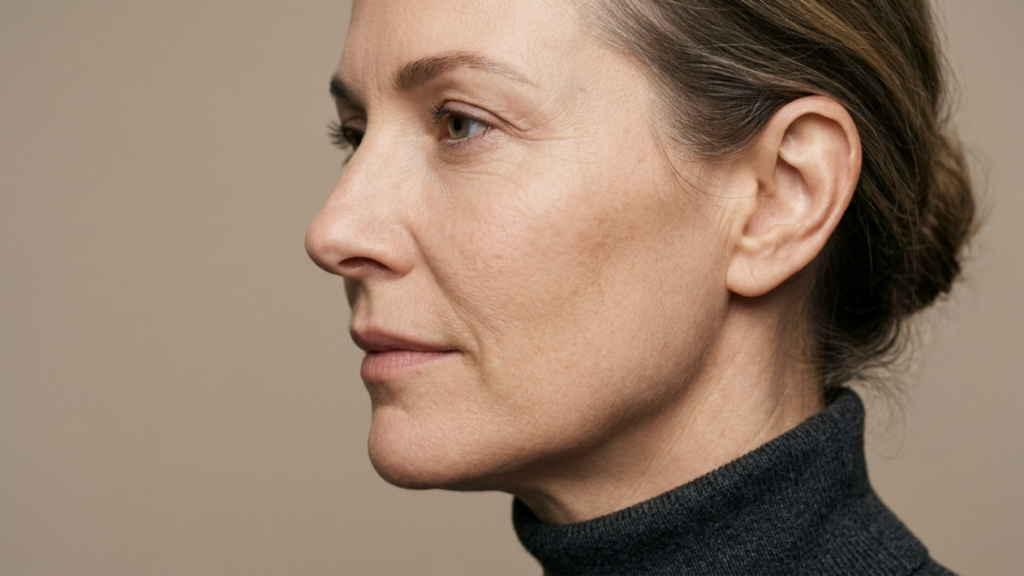
Warum SURGYTEAMs Temporal Lift natürliche Ergebnisse liefert
Das Temporallifting, ein charakteristisches Verfahren bei SURGYTEAM, behebt alle drei Fehler, indem es sich auf das obere Drittel des Gesichts. konzentriert. Im Gegensatz zu traditionellen Facelifts:
- Vermeidet Hautspannung durch Anheben der tieferen SMAS-Schicht, wodurch natürliche Konturen erhalten bleiben.
- Stellt Fettkompartimente in den Schläfen und Augenbrauen wieder her und verhindert ein ausgehöhltes Aussehen.
- Verwendet präzise Vektoren um die Augenbraue und den äußeren Augenbereich anzuheben, ohne das Mittelgesicht zu verändern.
Diese Technik eignet sich ideal für Patienten, die eine subtile Verjüngung ohne das Stigma des “Überoperierten” wünschen. Wie Dr. Meral anmerkt: “Das Ziel ist nicht, das Altern umzukehren, sondern die Harmonie wiederherzustellen– so dass Sie aussehen wie Sie selbst, nur erfrischt.”
Der SURGYTEAM Unterschied: Warum 2026 Patienten uns wählen
Mit nur 20 Facelift-Plätzen für 2026, spricht der Ruf von SURGYTEAM für natürliche Ergebnisse für sich selbst. Das unterscheidet uns:
- FEBOPRAS-zertifizierte Chirurgen: Dr. Mert Meral und sein Team besitzen die höchsten europäischen Fachzertifikate in plastischer Chirurgie.
- Minimalinvasive Narben-Techniken: Unsere Methoden setzen auf versteckte Schnitte und natürliche Heilung, sodass keine sichtbaren Operationsspuren bleiben.
- Personalisierte Vektorplanung: Jeder Facelift wird individuell an Ihre einzigartige Anatomie angepasst, ohne den “Einheitsgröße‑für‑alle”-Ansatz.
- All-Inclusive‑Betreuung: Von VIP-Flughafentransfers bis zu luxuriösen Erholungs-Suiten kümmern wir uns um jedes Detail. Erfahren Sie mehr über unser All-Inclusive-Pakete.
Unsere Patienten sehen nicht nur jünger aus – sie sehen wie sie selbst aus, einfach revitalisiert. Wie ein Patient 2025 teilte: “Ich sehe endlich das Ich, an das ich mich erinnere, im Spiegel, nicht eine gedehnte Version meiner selbst.”
Ihr Schritt-für-Schritt Leitfaden zu einem natürlichen Facelift
Ein “übertriebener” Facelift zu vermeiden, beginnt mit dem richtigen Plan. Hier erfahren Sie, wie Sie sicherstellen, dass Ihr Eingriff Ihre Identität betont – nicht auslöscht:
- Wählen Sie einen Chirurgen, der Vektoren versteht: Fragen Sie nach ihrem Ansatz zum SMAS-Lifting und zur Erhaltung von Fettkompartimenten. Dr. Merals Facelift-Beratung enthält eine 3D-Vektor-Analyse.
- Entscheiden Sie sich für einen Temporal Lift, wenn Sie Angst haben, “fertig” auszusehen”: Dieser Eingriff zielt auf das obere Gesicht ab und liefert subtile, aber transformative Ergebnisse.
- Vermeiden Sie “Nur-Haut”-Lifts: Stellen Sie sicher, dass Ihr Chirurg die tiefere SMAS-Schicht anspricht, um den “Windkanal”-Effekt zu verhindern.
- Priorisieren Sie die Fett-Erhaltung: Besprechen Sie Fetttransplantate oder -umverteilung, um natürliche Fülle zu bewahren.
- Plan für eine längere Erholungszeit: Natürliche Ergebnisse brauchen Zeit. Befolgen Sie die postoperativen Anweisungen Ihres Chirurgen bis ins Detail.
- Frühzeitig buchen: Mit nur 20 verfügbaren Facelift-Plätzen für 2026, vereinbaren Sie jetzt Ihre Beratung um Ihren Platz zu sichern.
Denken Sie daran: Das beste Facelift ist nicht das, das Sie am meisten verändert – es ist das, das die Zeit zurückgibt, die Ihnen genommen wurde.
Häufig gestellte Fragen zu natürlichen Facelifts
Wie erkenne ich, ob mein Facelift natürlich aussieht?
Ein natürliches Facelift hängt von drei Faktoren ab: dem Verständnis Ihres Chirurgen für Gesichtsvektoren, seinem Ansatz zur Fettbewahrung und der verwendeten Technik. Bei SURGYTEAM nutzen wir 3D-Vektorkartierung und fettbewahrende Methoden, um Ergebnisse zu erzielen, die Ihre Identität verbessern – nicht verändern. Fragen Sie Ihren Chirurgen immer nach seiner SMAS-Lifting‑Technik und wie er die natürlichen Konturen Ihres Gesichts erhalten will.
Was ist der Unterschied zwischen einem traditionellen Facelift und einem Temporal Lift?
Ein klassisches Facelift konzentriert sich auf die unteren zwei Drittel des Gesichts und strafft die Haut oft stark, um Falten zu reduzieren. Ein temporales Lifting hingegen zielt auf den oberen Gesichtsbereich (Brauen, Schläfen und äußere Augen) mit minimalen Schnitten ab. Es vermeidet den “überoperierten” Look, indem es tiefere Schichten anhebt, ohne übermäßige Hautspannung. Dies macht es ideal für Patienten, die eine subtile Verjüngung suchen.
Wie lange hält ein natürlicher Facelift?
Ein gut durchgeführtes Facelift kann 10–15 Jahre halten, abhängig von Ihrer Hautqualität, Ihrem Lebensstil und der verwendeten Technik. Eingriffe, die die SMAS‑Schicht und Fettkompartimente ansprechen (wie der temporale Lift von SURGYTEAM), erzielen tendenziell länger anhaltende Ergebnisse, weil sie die strukturelle Unterstützung des Gesichts wiederherstellen, nicht nur die Haut.
Warum sehen manche Facelifts unnatürlich aus?
Unnatürliche Facelifts resultieren typischerweise aus drei Fehlern: übermäßige Hautspannung (erzeugt einen “Windkanal”-Effekt), Ignorieren der Fettkompartimente (führt zu einem ausgehöhlten Aussehen) und schlechte Vektorplanung (verursacht ein “überraschtes” Erscheinungsbild). Diese Fehler stören die natürliche Harmonie des Gesichts und machen den Eingriff offensichtlich.
Kann ein Facelift rückgängig gemacht werden, wenn mir das Ergebnis nicht gefällt?
Obwohl Facelifts dauerhaft sind, kann eine Revisionsoperation oft unnatürliche Ergebnisse korrigieren. Prävention ist jedoch entscheidend. Die Wahl eines Chirurgen, der sich auf natürliche Techniken spezialisiert hat – wie Dr. Mert Merals vektorbasierten Ansatz – minimiert das Risiko von Nachbesserungen. Überprüfen Sie stets Vorher‑Nachher‑Fotos und besprechen Sie Ihre Ziele ausführlich während der Beratung.
Bereit für ein Facelift, das wie Sie aussieht – nur besser?
Der Unterschied zwischen einem natürlichen Facelift und einem “übertriebenen” liegt im Detail: Vektoren, Fettgewebserhalt und chirurgische Präzision. Bei SURGYTEAM straffen wir nicht nur Haut – wir die Harmonie wiederherzustellen, um sicherzustellen, dass Sie erfrischt und nicht verändert aussehen. Mit nur 20 Facelift-Plätzen für 2026 ist jetzt der Zeitpunkt, Ihre Beratung zu sichern. Kontaktieren Sie uns noch heute um Ihre Reise zu einem dezent verjüngten Ich zu beginnen.